Black dates have been part of traditional diets for centuries, especially in the Middle East, North Africa, and parts of South Asia. They are known for their deep color, rich taste, and dense texture. While dates in general are popular, black dates stand out because of their bold flavor and nutritional strength.
Many people first come across black dates through cultural traditions, religious practices, or health recommendations. Others discover them while looking for natural energy foods or alternatives to processed sweets. Whatever the reason, black dates offer much more than just sweetness.
This article explores what black dates are, where they come from, their nutritional value, health benefits, uses, and how they compare to other types of dates.
What Are Black Dates
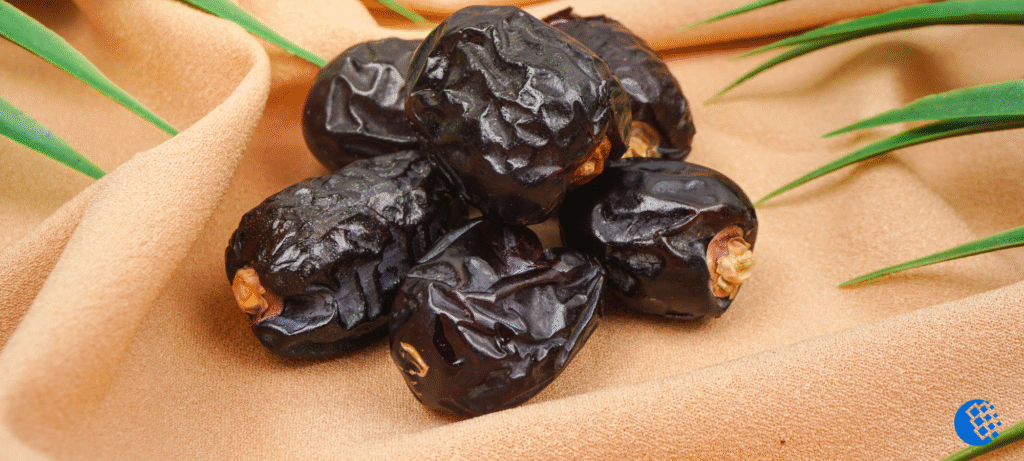
Black dates are a variety of dates that have a darker skin, often deep brown to nearly black in color. They are typically harvested when fully ripe and are known for being soft, chewy, and rich.
Some well-known black date varieties include
Ajwa dates
Safawi dates
Medjool dates when fully ripened and darkened
Each variety has slight differences in texture and sweetness, but they share similar nutritional benefits.
Where Black Dates Come From
Black dates are mainly grown in warm, dry regions where date palm trees thrive.
Major producing regions include
Saudi Arabia
Egypt
Iran
Pakistan
United Arab Emirates
The climate plays a big role in the final taste and texture of the dates. Hot days and cool nights help concentrate natural sugars.
Nutritional Value of Black Dates
Black dates are packed with nutrients, making them more than just a sweet snack.
They commonly contain
Natural sugars like glucose and fructose
Dietary fiber
Potassium
Magnesium
Iron
Vitamin B6
Because of this nutritional profile, black dates are often used as a quick source of energy.
Health Benefits of Black Dates
Natural Energy Boost
Black dates provide fast energy without processed ingredients. Athletes and physically active people often use them before or after workouts.
Digestive Support
The fiber in black dates supports digestion and helps prevent constipation. Regular intake can improve gut health when eaten in moderation.
Heart Health
Potassium found in black dates helps regulate blood pressure and supports heart function. Fiber also contributes to healthier cholesterol levels.
Iron for Blood Health
Black dates contain iron, which supports red blood cell production. This makes them useful for people with low iron levels when included as part of a balanced diet.
Bone Strength
Minerals like magnesium and calcium contribute to bone health, especially when consumed consistently over time.
Black Dates in Traditional Diets
In many cultures, black dates are eaten daily. They are often consumed with milk, yogurt, or nuts.
They are commonly used
At breakfast
As an evening snack
During fasting periods
As a natural sweetener
Their role goes beyond nutrition and connects deeply with tradition and routine.
Black Dates and Cultural Significance
Dates, especially darker varieties, hold cultural importance in many regions. They appear in religious texts, traditional medicine, and hospitality customs.
Studying how foods carry meaning across societies is similar to how symbols communicate identity. For example, the Study of Flags (Vexillology) explores how colors and symbols represent culture and history. In a similar way, black dates symbolize nourishment, generosity, and tradition in many cultures.
This connection between food and identity shows how deeply rooted black dates are in human history.
How Black Dates Are Used in Cooking
Black dates are versatile and easy to use in everyday meals.
Common uses include
Blending into smoothies
Chopping into oatmeal or cereal
Stuffing with nuts
Using as a natural sweetener in baking
They add sweetness without the need for refined sugar.
Black Dates vs Other Dates
While all dates are nutritious, black dates differ slightly.
Black dates are usually
Softer and chewier
Richer in flavor
Less watery
More intense in sweetness
Lighter dates may taste milder and have a firmer texture, depending on the variety.
How to Store Black Dates
Proper storage helps preserve freshness.
For short-term storage
Keep in an airtight container at room temperature
For long-term storage
Refrigerate or freeze to extend shelf life
Always check for moisture buildup, which can affect quality.
Who Should Eat Black Dates
Black dates are suitable for most people.
They are especially helpful for
Students needing energy
Athletes and active individuals
People recovering from illness
Those seeking natural sweet options
However, moderation is important due to natural sugar content.
Portion Size and Moderation
Even healthy foods can cause issues when overeaten.
A reasonable portion is
2 to 4 dates per serving
This provides benefits without excessive sugar intake.
Black Dates and Learning Performance
Foods that support steady energy can help with focus and learning. Students often benefit from snacks that avoid sudden energy crashes.
Maintaining balance and discipline in both diet and study habits is important. Programs that encourage structured growth, such as Internships for High School Students Interested in Classical Studies, also emphasize routine, focus, and long-term thinking.
Nutrition and learning habits often work together more closely than people realize.
Common Myths About Black Dates
Some myths exist around black dates.
They do not
Cause instant weight gain when eaten moderately
Replace medical treatment
Contain artificial sugars
Understanding facts helps people enjoy them responsibly.
Buying Quality Black Dates
When purchasing black dates, look for
Smooth skin without cracks
No sour smell
Soft but not sticky texture
Quality dates taste better and last longer.
Environmental Impact and Sustainability
Date palms are relatively sustainable crops in arid regions. They require less water compared to many fruit trees.
Supporting responsibly grown dates helps local farmers and traditional agriculture.
Final Thoughts
Black dates are a simple food with deep roots. They offer nutrition, energy, and cultural meaning in a small package. Whether eaten for health, tradition, or taste, they remain a valuable part of many diets around the world.
Understanding black dates goes beyond calories and vitamins. It connects food, history, and daily life. When enjoyed thoughtfully, black dates can be both nourishing and satisfying, proving that sometimes the oldest foods still have a place in modern routines.