
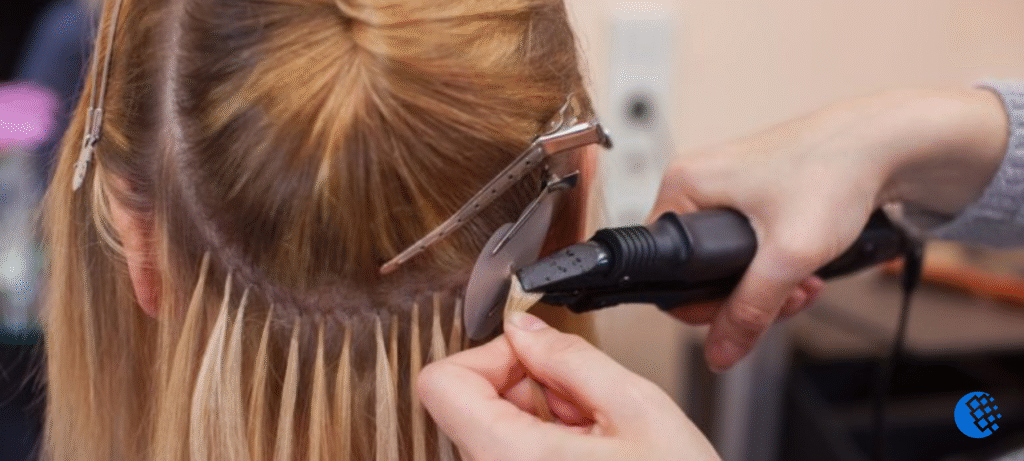
People usually think cosmetology school is just about learning how to cut hair or do makeup. That’s partly true, but honestly, it’s a lot more than that. When I first looked into cosmetology, I thought it would be creative and fun, and it is, but it’s also structured, strict in some areas, and sometimes overwhelming.
Cosmetology school is designed to prepare students for a real career, not just to give them basic skills. The classes, hands-on training, and theory lessons all work together to create professionals who can work confidently in salons, spas, or even in freelance beauty careers.
If you’re asking yourself what do you learn in cosmetology school, this article gives you a real idea, not the brochure version. You’ll get a clearer understanding of what the training involves and how it prepares you for success.
Starting Out Learning the Basics
The first thing you notice in cosmetology school is how serious they are about cleanliness. Before touching scissors or makeup brushes, you learn sanitation rules. And they repeat it a lot.
You learn how to clean tools, how to avoid spreading infections, and how to protect both yourself and clients. At first, it feels boring, but later you understand why it matters so much. In the beauty industry, trust and hygiene go hand in hand, and learning this discipline early sets the stage for your entire career.
They also teach basic professionalism. How to talk to clients. How to stand. How to look presentable. Small things, but they matter in salons. Clients notice even subtle differences in posture, tone, or attention to detail. These foundational skills might seem minor, but they form the backbone of a professional cosmetologist.
Hair Cutting Feels Harder Than It Looks
Hair cutting is one of the main parts of cosmetology school, and it’s not easy in the beginning. Holding scissors correctly alone takes time.
You start with basic cuts. Straight lines, layers, simple shapes. Everyone messes up at first. Hair gets uneven. You cut too much. It happens. But mistakes are part of the learning process. Instructors teach you how to correct errors without panicking, which is a skill you’ll use for your entire career.
Over time, you start understanding head shapes and hair texture. Curly hair behaves differently than straight hair, and you learn that the hard way sometimes. You also learn to adjust techniques for different hair densities, thickness, and growth patterns.
Styling comes next. Blow drying, curling irons, straighteners. Your arms get tired. Your timing is slow. But slowly it improves. You also learn about client preferences, like whether someone wants a casual look, professional style, or something more dramatic. Learning to combine technical skills with artistic judgment is a key part of cosmetology training.
Hair Coloring Is a Big Deal
Hair color is where many students either get excited or nervous. There’s a lot to remember. Color theory, mixing ratios, developer strength, timing.
You learn how colors cancel each other out. Like how purple fixes yellow tones. At first it feels confusing, but with practice it starts making sense. Cosmetology programs often include exercises on mixing dyes, testing on mannequins, and observing how chemicals react to different hair types.
Chemical services like perms and relaxers are taught carefully. Instructors are strict here because mistakes can damage hair badly. Students learn the science behind the chemicals and how to apply them safely. Safety is emphasized constantly because once hair is damaged, it can take months to recover, and client trust can be affected.
This part reminded me of learning something difficult, like we talked about in our article on Hardest Instruments to Learn. You don’t get good fast, but repetition changes everything. Cosmetology teaches patience, focus, and the importance of building experience gradually.
Skin Care and Facials
Cosmetology school also teaches skin care basics. Even if you don’t plan to do facials full time, you still learn the foundations.
You study skin types: oily, dry, sensitive, combination. You learn cleansing routines, masks, exfoliation, and basic treatments. Knowing how different products interact with skin types is vital. Clients trust cosmetologists to recommend safe and effective products.
There’s also a lot of focus on hygiene again. Using clean towels, clean hands, clean tools. Skin reacts quickly if something is done wrong. Students also learn to recognize skin conditions and know when to refer clients to dermatologists. This knowledge ensures safety and professionalism in every service.
Nails Are More Detailed Than People Think
Nail training is another surprise for many students. Manicures and pedicures seem simple, but there’s technique involved.
You learn nail shaping, cuticle care, polish application, and sanitation rules. Acrylics and gel nails are usually introduced later. Many students are surprised by how precise and meticulous nail work can be.
They also teach nail disorders and infections. Knowing when not to work on a client is part of the job too. Cosmetology programs emphasize hygiene, proper tool sterilization, and client safety to prevent infections. Understanding the anatomy of the nail and common issues helps prevent long-term damage.
Makeup Isn’t Just About Looking Pretty
Makeup training in cosmetology school focuses more on balance than trends. You learn face shapes, skin tones, and how lighting affects makeup.
Day looks, evening looks, sometimes bridal styles. You also learn how to keep everything clean. Dirty brushes can cause skin issues fast. Cosmetology school stresses sanitation as much in makeup as in other services.
Makeup classes help build confidence. Even students who were shy at first usually open up during this part. The courses also teach students how to advise clients on suitable products and techniques for their unique features.
The Theory Part Nobody Expects
This is where some students struggle. Cosmetology school includes theory: anatomy, hair structure, skin layers.
It’s not medical school, but it’s still studying. You learn how hair grows, why skin reacts, and how nails are formed. Understanding the science behind the services makes you a better professional.
This knowledge helps avoid mistakes. It’s similar to why preparation matters in health topics, like we explained in Why No Caffeine Before an Allergy Test. Small things affect results more than people realize. Knowing theory also prepares students for the written portion of licensing exams, which is required in most states.
Product Knowledge Matters
You also learn about products. What’s inside them. How they work. Which hair or skin types they suit.
This helps you recommend products without guessing. Clients trust you more when you actually know what you’re talking about. Understanding ingredients and formulations is key to building credibility as a cosmetologist.
You also learn how to read labels, handle products safely, and store them correctly to prevent damage or contamination. Product knowledge is as important as technical skill because clients rely on your recommendations to maintain their look at home.
Client Communication Is a Real Skill
Talking to clients sounds easy, but it’s not always. Cosmetology school teaches consultations.
You learn how to ask questions, confirm expectations, and explain what’s realistic. Many unhappy clients come from miscommunication, not bad work. Developing interpersonal skills and patience is just as important as mastering technical skills.
This part prepares you for real salon life more than anything else. Good communication reduces mistakes, builds trust, and often leads to repeat clients.
Business and Salon Life
Most schools include basic business training. Scheduling, customer service, retail, and sometimes marketing.
Some students want to open salons later, so this part helps. Even if you don’t, it teaches how salons actually run. You learn about inventory, appointments, dealing with complaints, and managing finances. This knowledge ensures a smoother transition from school to professional life.
Hands-On Practice With Real People
Eventually, you work on real clients under supervision. This is where everything feels real.
You learn to manage time. Deal with nervous clients. Fix mistakes calmly. It’s stressful at first, but also exciting. This stage builds confidence and allows you to apply all your theory and practice to real situations.
You also learn to adapt quickly. No two clients are the same, and problems can arise unexpectedly. Hands-on experience teaches flexibility, professionalism, and resilience.
Preparing for the License Exam
Cosmetology school also prepares you for your state licensing exam. Both written and practical parts.
Rules, safety steps, and procedures are reviewed again and again. Passing the exam is the goal. Schools often provide mock exams and practical demonstrations to ensure students are ready for success. Licensing proves competence and allows you to legally work in salons or spas.
Career Options After School
After graduating, people work in salons, spas, weddings, fashion, or freelance. Some go into teaching later.
According to the U.S. Bureau of Labor Statistics, cosmetology jobs continue to stay in demand, especially personal care services. There are also opportunities in specialized areas such as hair coloring, makeup artistry for film and TV, or medical aesthetics.
The skills you learn in school give you flexibility. You can choose the path that best matches your interests and strengths, whether it’s hands-on salon work or business ownership.
Final Thoughts
So, what do you learn in cosmetology school? It’s not just beauty skills. You learn discipline, patience, communication, and consistency.
It’s not easy, and it’s not for everyone. But for people who enjoy hands-on work and creativity, it can lead to a solid and satisfying career. Cosmetology school teaches both technical ability and soft skills, preparing you for a professional, client-focused career.