
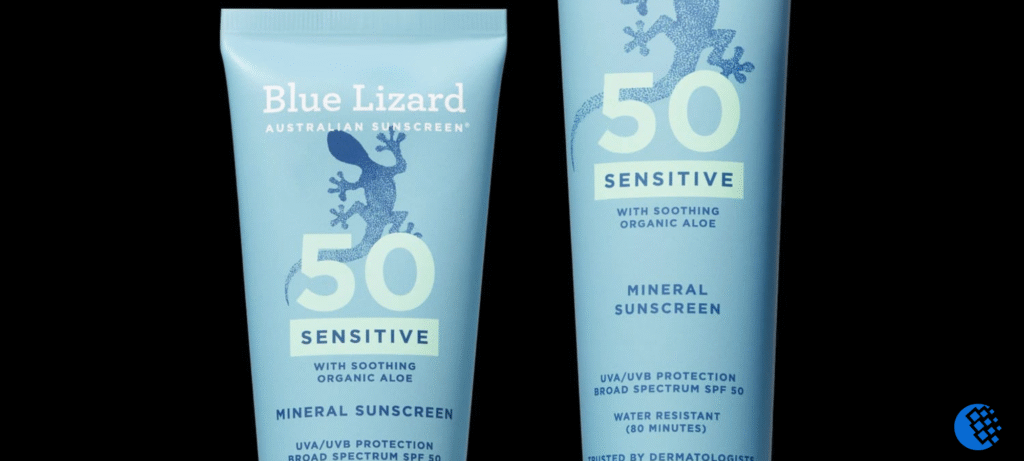
Water-resistant sunscreen sounds like the answer to all your summer problems. Slap it on once, jump in the pool, and you’re sorted for the day, right? Not quite. There’s a reason the FDA stopped letting companies call sunscreen “waterproof” back in 2012, and it’s because that word, like a lot of safe sunscreen myths, was giving people a false sense of security.
The basic fact is that if you’re relying on water-resistant sunscreen to do more than it actually can, it’s just a matter of time until you get sunburn. So, let’s clear up any uncertainty about this and a few other things.
What Water-Resistant Safe Sunscreen Actually Means
So, where’s all the confusion coming from? Well, when a safe sunscreen says it’s water-resistant, it means it’s been tested to maintain its SPF level for either 40 or 80 minutes while you’re swimming or sweating. That’s it. After that time, the protection starts wearing off, and you need to reapply.
What really catches people out is assuming water-resistant means the sunscreen stays put no matter what. Toweling off after a swim? You’ve just wiped half of it away. Playing beach volleyball and sweating? Same problem. Rubbing your face, adjusting your swimsuit, kids climbing all over you – all of it removes sunscreen, water-resistant or not.
Other Myths That Can Lead to Sunburn
It’s not the only falsehood in circulation either. There are dozens going around and it’s down to people like us to make sure no one ends up getting sunburn because of something they heard online. Here are a few more.
- Myth 1: “I put on SPF 50 this morning, so I’m good all day”
You’re not. Even if you never get wet, sunscreen breaks down in UV light. On dry skin in full sun, you’re meant to reapply every two hours regardless of what the label says about water resistance.
- Myth 2: “As long as I’m not swimming, water-resistant sunscreen lasts longer”
Sweat affects it just like pool water does. If you’re active in the heat, with sweat rolling off your brow, that 80-minute clock is running whether you’re in the water or not.
- Myth 3: “I can see the sunscreen on my skin, so it’s still working”
What you’re seeing might just be the inactive ingredients. The UV filters themselves can break down or rub off without any visible change to how the product looks on your skin.
The timing matters more than most people realize. Reapply every 40 to 80 minutes if you’re in and out of water, depending on which formula you’re using. After you towel off, reapply immediately – don’t wait for the time limit. If you’re just lying in the sun, reapply every two hours minimum even if you haven’t been swimming.
Understanding the Reality of Water-Resistant Safe Sunscreen
Water-resistant sunscreen is better than regular sunscreen if you’re going to be swimming or sweating, but it’s not a free pass to not putting any on for the rest of the day. The “resistant” part means it holds up better than non-water-resistant formulas for a specific amount of time, not that it’s invincible.
If you want actual protection all day, you need to reapply regularly regardless of what the label promises. Water-resistant sunscreen works, but only if you use it the way it’s meant to be used – which is overwhelmingly more often than most people think.