
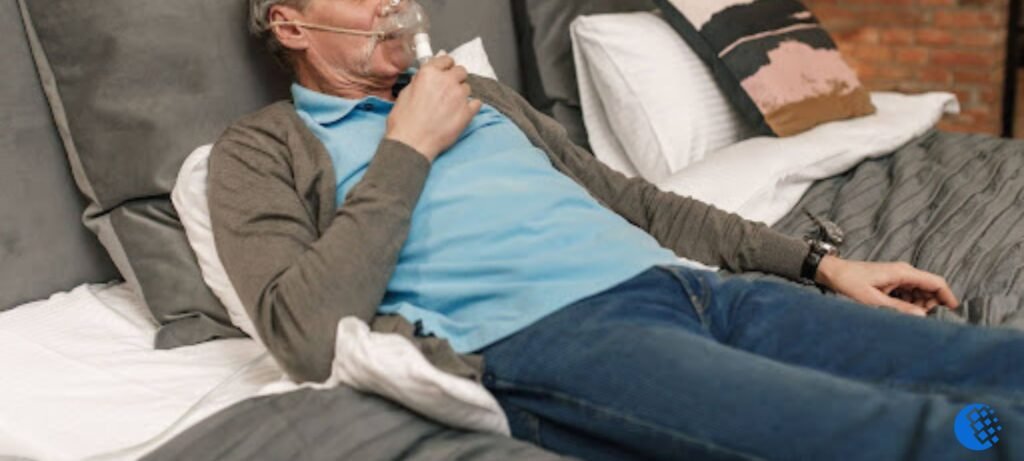
If you’ve been prescribed a CPAP machine for obstructive sleep apnea, you’re certainly not alone in finding it difficult to use consistently. Many Australians discover that whilst CPAP therapy is clinically effective, the reality of sleeping with the equipment night after night can be far more challenging than expected. The good news is that modern sleep apnea treatment has evolved considerably, and specialised practitioners including orthodontists such as Smile Team now offer a range of evidence-based alternatives when CPAP simply isn’t working for you. Understanding your options—and the importance of maintaining some form of treatment—can make all the difference to your long-term health and quality of life.
Why CPAP Therapy Can Be Difficult to Stick With
CPAP, or Continuous Positive Airway Pressure, is the first-line treatment recommended by sleep doctors for obstructive sleep apnea. The idea is simple: a machine provides a steady flow of pressurized air through a mask to keep your airway open at night. In theory, it sounds great. In reality, many people struggle with the equipment instead of getting restful sleep.
The most common issue is the mask. Even with good intentions and a professional fitting, masks can feel intrusive, uncomfortable, or just wrong on your face. Some people wake up with pressure marks or skin irritation. Others find that no matter how many adjustments they make, the seal never feels right. This leads to air leaks that disturb sleep and lessen the therapy’s effectiveness.
There is also a psychological aspect. For those who feel even a bit claustrophobic, having something strapped to their face all night can cause real anxiety. The feeling of air being pushed into your nose or mouth, while helpful, can feel unnatural and distressing, especially during the first few weeks of adjustment.
Noise is another factor that often gets overlooked. Modern CPAP machines are quieter than older models, but they are not silent. The constant hum, occasional whistle of escaping air, or the sound of your own breathing through the mask can make it hard for both you and your partner to get enough rest.
Physical side effects add to the challenge. Many users experience nasal dryness, congestion, or irritation from the pressurized air, even when using a heated humidifier. Some people end up with frequent sinus infections or nosebleeds. Others deal with aerophagia—swallowing air—which causes uncomfortable bloating and gas.
Beyond the immediate discomfort, CPAP can disrupt daily life. Machines need regular cleaning and maintenance. Masks, filters, and tubing need to be replaced on a set schedule. Traveling gets complicated with bulky equipment. Many people feel self-conscious about using CPAP, especially in new relationships or when staying with others.
Statistics clearly show these challenges. Research consistently indicates that 30 to 50 percent of patients prescribed CPAP either fail to use it regularly or stop the therapy altogether within the first year. This represents a large number of people with untreated sleep apnea, often because they feel they have run out of options.
What Happens When Sleep Apnea Is Left Untreated
When someone stops CPAP therapy without finding other options, the sleep apnea does not go away. The condition continues to impact their health, often quietly building up over months and years.
Sleep apnea causes your airway to close repeatedly during the night. This leads to drops in oxygen levels and frequent awakenings that disrupt your sleep. Even if you don’t realize you are waking up, your brain comes out of deep, restorative sleep dozens or even hundreds of times each night. As a result, you never really rest, no matter how many hours you spend in bed.
The most immediate effect is excessive daytime sleepiness. People with untreated sleep apnea often feel constantly tired. Concentrating becomes hard. Memory declines. Simple tasks require more effort than they should. You may find yourself dozing off during meetings, while reading, or—most alarmingly—while driving. The higher risk of car accidents among people with untreated sleep apnea is well known and truly concerning.
Your work performance naturally suffers when you’re operating in a constant fog of fatigue. Decision-making becomes impaired, creativity diminishes, and productivity drops. For many people, the professional impact extends far beyond simply feeling tired—it can affect career progression and job security.
The long-term health consequences, however, are what should truly concern anyone living with unmanaged sleep apnea. The repeated drops in oxygen levels and the stress response triggered by constant arousal place enormous strain on your cardiovascular system. Research from the Sleep Health Foundation indicates that untreated sleep apnea significantly increases your risk of developing hypertension, coronary artery disease, stroke, and irregular heart rhythms.
The metabolic effects are equally concerning. Sleep apnea is strongly associated with insulin resistance and type 2 diabetes. The disrupted sleep and oxygen fluctuations interfere with your body’s ability to regulate blood sugar effectively, creating a vicious cycle where sleep apnea and metabolic dysfunction reinforce each other.
Mental health often deteriorates as well. Chronic sleep deprivation and the physiological stress of untreated sleep apnea contribute to depression, anxiety, and irritability. Many people find their relationships suffering as they become increasingly short-tempered or withdrawn.
It’s worth emphasising that these aren’t theoretical risks or distant possibilities. These are real, measurable health outcomes that develop progressively when sleep apnea remains untreated. The good news, however, is that effective treatment—whatever form it takes—can halt or even reverse many of these effects.
Understanding That CPAP Isn’t the Only Option
Here’s something many people don’t realise: whilst CPAP is highly effective and remains the gold standard for severe obstructive sleep apnea, it’s far from the only medically recognised treatment available. Modern sleep medicine recognises that successful treatment depends on matching the therapy to the individual patient—their specific anatomy, the severity of their condition, their lifestyle, and their personal tolerance for different interventions.
If CPAP isn’t working for you, that doesn’t mean you’re out of options. It means it’s time to have a thorough conversation with your GP or sleep specialist about alternatives that might suit you better.
Mandibular Advancement Splints
Mandibular advancement splints, often called MAS or oral appliances, are one of the most effective alternatives to CPAP. They are especially useful for people with mild to moderate sleep apnea or for those who cannot tolerate CPAP therapy.
These custom-fitted devices are worn during sleep, similar to an orthodontic retainer. They work by gently positioning your lower jaw slightly forward. This adjustment keeps your tongue and soft tissues from collapsing backward and blocking your airway. The idea is simple but works well.
The appeal of mandibular advancement splints is in their simplicity and convenience. They don’t require electricity, masks, or tubing, and they create no noise. You can travel easily with them, they are discreet, and many people find them much more comfortable than CPAP once they get used to wearing them.
However, it’s crucial to understand that not all oral appliances are created equal. Over-the-counter devices purchased online rarely provide adequate treatment because they haven’t been customised to your specific anatomy. Effective treatment requires proper assessment and fitting by an orthodontist who has specific training in sleep apnea, such as the professionals at Smile Team.
The process typically involves taking detailed impressions of your teeth, fabricating a custom device, and then fine-tuning the amount of jaw advancement over several appointments. Your orthodontist will work with your sleep physician to determine the optimal position and will monitor your progress through follow-up sleep studies.
Positional Therapy
For some people, sleep apnea occurs primarily or exclusively when sleeping on their back. This is called positional obstructive sleep apnea, and if your sleep study indicates this pattern, positional therapy might be a remarkably simple and effective solution.
The concept is straightforward: if your apnea occurs mainly in the supine position, preventing yourself from rolling onto your back during sleep can dramatically reduce or even eliminate events. Various approaches exist, ranging from specially designed wearable devices that vibrate gently when you roll onto your back, to behavioural strategies.
Modern positional therapy devices have become increasingly sophisticated. Some use gentle vibration that intensifies gradually until you shift position, without fully waking you. Others incorporate smartphone connectivity, allowing you to track your sleep positions and monitor treatment effectiveness over time.
The key to successful positional therapy is confirming through a proper sleep study that your apnea is indeed predominantly positional. Simply assuming this is the case and abandoning other treatments can be dangerous. Your sleep specialist needs to verify the pattern and determine whether positional therapy alone will provide adequate control.
Lifestyle and Weight Management
Whilst not a standalone treatment for everyone, lifestyle modification—particularly weight management—plays a crucial role in sleep apnea treatment and deserves serious consideration as part of your overall strategy.
Obesity is one of the strongest risk factors for obstructive sleep apnea. Excess weight, particularly around the neck and upper body, increases the mechanical load on your airway and makes collapse during sleep more likely. Research from the Australian Institute of Health and Welfare demonstrates clear links between BMI and sleep apnea severity.
For many people, losing even 10 per cent of body weight can lead to significant improvement in sleep apnea symptoms. Some individuals with mild to moderate apnea find that substantial weight loss reduces their condition to the point where they no longer require intensive therapy. Even for those with more severe apnea who continue to need treatment, weight loss often makes other therapies more effective.
However, it’s important to be realistic. Weight loss is challenging, particularly when you’re dealing with the fatigue and metabolic disruption that sleep apnea itself causes. You shouldn’t abandon proven treatments like CPAP or oral appliances whilst working on weight loss, as you need good sleep to support the lifestyle changes you’re making.
A comprehensive approach works best. This might include working with your GP to develop a sustainable eating plan, engaging a physiotherapist or exercise physiologist to design an appropriate activity programme, and potentially involving a psychologist if emotional eating or other behavioural factors contribute to weight management challenges.
Sleep hygiene improvements also matter. Maintaining consistent sleep and wake times, creating a dark and cool sleeping environment, avoiding alcohol close to bedtime (as it worsens apnea), and limiting caffeine in the afternoon can all support better sleep quality alongside your primary treatment.
Surgical Options for Select Cases
For certain individuals, surgical intervention may be appropriate, particularly when anatomical abnormalities are clearly contributing to airway obstruction. However, surgery is typically reserved for specific situations rather than being offered as a first-line alternative to CPAP.
Several surgical approaches exist, each targeting different aspects of airway anatomy. Nasal surgery might correct a deviated septum or remove obstructive nasal polyps, improving airflow and potentially making CPAP more tolerable. Tonsillectomy can be remarkably effective for people whose enlarged tonsils contribute significantly to obstruction—this is particularly common in children but sometimes relevant for adults as well.
More extensive procedures involve removing and tightening tissue in the throat to widen the airway. These procedures have variable success rates and aren’t suitable for everyone. An emerging option called hypoglossal nerve stimulation involves implanting a device that stimulates the nerve controlling tongue movement, preventing it from falling back and blocking the airway during sleep.
The crucial point about surgical options is that they require thorough assessment by an ear, nose and throat specialist or a sleep medicine specialist with surgical expertise. Not everyone is an anatomically suitable candidate, and the decision to pursue surgery should only be made after careful consideration of potential benefits, risks, and alternative options.
Emerging Therapies and Technologies
The field of sleep medicine is changing, with researchers looking into new ways to manage obstructive sleep apnea. Some of these therapies are still being tested in Australia, but they point to the future of treatment.
Nasal expiratory positive airway pressure devices are small, disposable valves that fit over the nostrils. They create resistance when you exhale, which helps keep the airway open. These devices are effective for some people with mild to moderate apnea, but they aren’t as commonly prescribed as more established treatments.
Research on drug therapies aims to find medications that might lower upper airway collapsibility or improve muscle tone during sleep. New imaging and diagnostic techniques are also helping us pinpoint which specific anatomical or physiological factors contribute to someone’s sleep apnea. This could lead to more tailored treatment options in the future.
Why a One-Size-Fits-All Approach Doesn’t Work
Sleep apnea isn’t a single, uniform condition. It exists on a spectrum of severity, from mild cases with occasional airway collapse to severe cases with hundreds of events per hour. The underlying causes vary as well—anatomical factors, obesity, muscle tone, and positional factors all contribute in different proportions for different people.
This variability is precisely why matching treatment to the individual patient is so important. A therapy that works brilliantly for one person might be completely ineffective or intolerable for another, even if their apnea appears similar on paper.
Evidence-based medicine increasingly recognises that optimal outcomes require personalised treatment plans. Your sleep specialist should consider your apnea severity, anatomical factors, coexisting medical conditions, personal preferences, lifestyle factors, and previous treatment responses when recommending a management strategy.
This is also why ongoing follow-up matters so much. Sleep apnea can change over time—you might gain or lose weight, develop new medical conditions, or find that a treatment that initially worked well becomes less effective. Regular monitoring through questionnaires, symptom tracking, and periodic sleep studies ensures that your treatment continues to meet your needs.
Safe, effective care requires clinical oversight. Whilst it might be tempting to try self-directed solutions purchased online, sleep apnea is a serious medical condition that deserves proper professional management. If you feel your concerns aren’t being adequately addressed or your current treatment isn’t working, you have every right to seek a second opinion.
What to Do Next If You’re Struggling with CPAP
If you’re currently battling with CPAP and feeling increasingly discouraged, here’s what you should do:
First and foremost, don’t simply abandon CPAP therapy without speaking to your clinician. Abruptly stopping treatment leaves your sleep apnea unmanaged, potentially putting your health at risk. Your exhaustion might worsen, your blood pressure could rise, and your risk of accidents increases. Whatever you decide about long-term treatment, this decision should be made in consultation with your medical team.
Request a follow-up appointment with your sleep specialist or GP. Be honest about the specific problems you’re experiencing. Sometimes relatively simple adjustments—a different mask style, pressure setting changes, adding a heated humidifier, or treating underlying nasal congestion—can transform CPAP from intolerable to manageable. Your clinician can’t help solve problems they don’t know about.
Explicitly ask about alternative treatments. Don’t assume CPAP is your only option simply because it was prescribed first. Enquire whether a mandibular advancement splint might be appropriate for your case. Ask whether positional therapy could play a role. Discuss whether your anatomy might make you a candidate for surgical options.
Start tracking your symptoms systematically. Keep a sleep diary noting how tired you feel each day, whether you’re snoring, how your concentration and mood are affected, and any other symptoms you notice. This information helps guide treatment decisions and provides objective evidence of whether a new approach is working.
Consultation with an orthodontist who specialises in sleep medicine, can be particularly valuable if you’re considering an oral appliance. These specialists can assess whether your anatomy is suitable for a mandibular advancement splint and can work alongside your sleep physician to develop a comprehensive treatment plan. The advantage of involving an orthodontist early is that they can provide expert guidance on whether this treatment avenue is worth pursuing before you invest time and money in the process.
According to guidelines from Healthdirect Australia, seeking specialist advice when CPAP isn’t working is crucial for maintaining your health and finding an effective alternative. Don’t hesitate to advocate for yourself and explore all available options.
If your concerns continue to be dismissed or you feel your treatment options aren’t being fully explored, seek a second opinion. You deserve a medical team that takes your struggles seriously and works with you to find a solution.
Summary: Effective Sleep Apnea Treatment Must Be Personalised
CPAP therapy has helped many people regain their health and quality of life from obstructive sleep apnea. When it works and is tolerated, it can truly change lives. But “when tolerated” is the crucial point—and that is where many people struggle.
The main takeaway is this: if CPAP isn’t working for you, it doesn’t mean you are failing at treatment. It means that the treatment isn’t right for you, which is a very different situation. There are other options, from custom oral devices made by specialist orthodontists to positional therapy, lifestyle changes, surgery, and new technologies.
Untreated sleep apnea carries serious health risks that build up over time. The strain on the heart, metabolic issues, accident risks, and negative impact on quality of life are too serious to overlook. However, treatment only works when you can stick with it consistently. This is why finding the right approach for your situation is so important.
Work closely with your medical team—your GP, sleep specialist, and possibly an orthodontist—to explore all the evidence-based options. Be open about what you’re having trouble with, ask questions about other solutions, and insist on a personalized approach that takes your specific anatomy, lifestyle, and preferences into account.
Managing sleep apnea isn’t about forcing yourself to put up with an uncomfortable treatment. It’s about finding the method that effectively controls your condition while fitting into your life. That solution is out there, but finding it requires open communication, professional help, and sometimes a bit of determination. Your sleep is important, your health is important, and you deserve a treatment that works for you.