
Australia’s fashion industry stands at a crossroads. Whilst consumers increasingly demand sustainable, locally-made clothing, emerging designers face seemingly insurmountable barriers to ethical manufacturing. Traditional production methods lock small brands into minimum orders of 500 or 1000 pieces—quantities that force overproduction, create waste, and contradict the very sustainability values these designers champion.
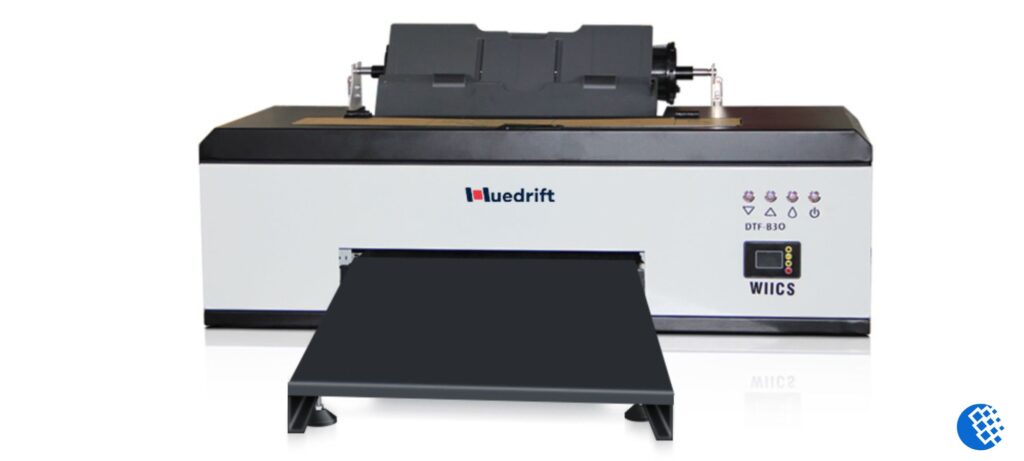
Yet a quiet revolution is underway in garages, spare rooms, and small studios across the country. Direct to Film (DTF) printing technology is democratising fashion manufacturing, enabling Australian creatives to produce high-quality, custom clothing on-demand without compromising their environmental or ethical principles. For designers just starting out, accessible equipment like the Buy Huedrift A3 Printer offers an entry point into local, sustainable production that was simply impossible a decade ago.
The appeal of DTF printing for Australia’s conscious fashion movement extends far beyond equipment accessibility. The technology fundamentally aligns with sustainable values: zero minimum order quantities mean brands print only what they’ve actually sold, eliminating the scourge of overproduction that plagues mainstream fashion.
No pre-production inventory sitting in warehouses. No end-of-season stock destined for landfill. This on-demand model represents a radical departure from fashion’s traditional “make first, hope it sells” approach. For Australian designers committed to the “buy local, make local” ethos, DTF printing offers something equally valuable: the ability to manufacture right here, maintaining complete control over labour conditions, quality standards, and environmental practices whilst dramatically reducing the carbon footprint of overseas shipping.
The Tyranny of Traditional Manufacturing
Understanding why DTF printing matters for sustainable Australian fashion requires grappling with the realities of traditional garment decoration. Screen printing—the industry standard for decades—demands separate screens for each colour in a design, extensive setup time, and economic viability only at high volumes. A typical Australian screen printer quotes minimums of 50 pieces for basic designs, 100-500 for complex work, and significantly higher for multiple colourways. For an emerging designer testing a new concept or producing a limited capsule collection, these quantities are prohibitive. The stark choice becomes: compromise your vision to meet minimums, absorb losses on unsold inventory, or abandon local manufacturing entirely.
The overseas manufacturing alternative carries its own sustainability contradictions. Whilst per-unit costs drop dramatically when producing thousands of pieces in Bangladesh or Vietnam, the environmental and ethical calculus becomes murky. Carbon emissions from international shipping, opacity around labour conditions, quality control conducted remotely through photos and samples, 8-12 week lead times that prevent responsive design adjustments—each represents a compromise that sits uncomfortably with Australia’s growing cohort of values-driven fashion entrepreneurs. The pandemic laid bare the fragility of these stretched supply chains, with many Australian brands unable to access their own inventory for months whilst containers sat idle in distant ports.
DTF’s Sustainable Revolution
DTF printing inverts traditional manufacturing economics in ways that genuinely serve sustainability. Because there are no setup costs beyond the initial equipment investment, printing one garment costs essentially the same per-unit as printing 100. This economic reality enables true on-demand production: a customer orders a shirt on Monday, the designer prints it Tuesday, posts it Wednesday. Zero inventory. Zero waste. Zero capital tied up in unsold stock. For brands scaling beyond the initial experimental phase, robust solutions like the HueDrift Pro Max DTF Solution offer the production capacity to meet growing demand whilst maintaining the same sustainable, print-on-order model. The technology grows with the business without forcing a pivot to wasteful overproduction.
The environmental advantages extend beyond eliminating overstock. DTF printing requires significantly less water than traditional screen printing—no washing screens between colours, no water-intensive cleanup processes. Chemical usage drops dramatically; the inks and adhesive powders involve fewer harsh substances than traditional plastisol screen-printing inks.
Most compellingly for Australian sustainability advocates, DTF enables genuinely local manufacturing. A designer in Melbourne, Byron Bay, or Hobart can produce professional-quality custom clothing without outsourcing production to distant factories. This localisation means shortened supply chains, reduced shipping emissions, and complete transparency over working conditions and environmental practices.
Australian Makers Reclaiming Production
Across Australia, creative entrepreneurs are leveraging DTF technology to build the ethical fashion brands they’ve envisioned but couldn’t previously manufacture. In Melbourne’s northern suburbs, a young designer produces limited-edition streetwear featuring Indigenous Australian artists’ work, with every piece custom-printed in her home studio and profits shared directly with collaborating artists. Traditional manufacturing would have required minimum runs incompatible with both her budget and her commitment to exclusivity. DTF printing allows 10-piece drops that sell out within hours, with zero waste and complete attribution to the original artists.
Sydney’s ethical activewear scene includes a growing brand built entirely around body positivity and inclusive sizing. By manufacturing locally via DTF, the founder offers true custom sizing—printing designs only when ordered, in whatever size the customer requires. No “standard size runs” forcing bodies into predetermined categories. No unsold inventory in less commercially-popular sizes heading to landfill. The business model works precisely because DTF economics allow profitable single-unit production, something impossible with traditional methods.
Regional Australian examples multiply: a Tasmanian surf brand producing ocean-conservation messaging tees, printed locally and tied to beach cleanup initiatives. A Darwin-based designer creating tropical workwear for Australia’s northern climate, manufactured on-demand without the risk of seasonal overproduction.
Indigenous artists from remote communities controlling their own production and distribution, no longer reliant on exploitative middlemen or manufacturers who appropriate designs without attribution. LGBTQ+ brands creating celebration apparel with complete creative autonomy and ethical supply chains they can personally verify. The common thread: DTF technology enabling values-aligned manufacturing that traditional methods made economically impossible.
The Economics Stack Up
Sceptics might question whether small-batch, local, sustainable production can compete economically with overseas mass manufacturing. The answer proves surprisingly nuanced. A basic cotton tee costs AUD $4-6 wholesale, DTF transfer materials run approximately $2-3 per design, and retail pricing for Australian-made, sustainable fashion sits comfortably at $40-65—price points consumers increasingly accept for ethical, local products.
That’s $30-55 gross profit per item, and micro-brands report that direct-to-consumer online sales combined with local market presence generate steady demand. Unlike traditional manufacturing requiring capital outlay for minimum orders months before sales materialise, DTF’s on-demand model means revenue arrives before production costs are incurred. This cash-flow positive structure enables bootstrap growth without investor capital or debt.
Australian consumers demonstrate remarkable willingness to support local, sustainable brands when the value proposition is clear. Research consistently shows that whilst price remains important, transparency about manufacturing practices, reduced environmental impact, and supporting Australian jobs all influence purchasing decisions. Brands telling authentic stories about their local production, sustainable practices, and ethical values find engaged audiences willing to pay premiums over fast-fashion alternatives. The economics work precisely because the brand can communicate its values credibly—claims of sustainability ring hollow when products ship from distant factories with opaque supply chains.
Environmental Impact
The environmental comparison between DTF-enabled local manufacturing and traditional overseas production reveals stark contrasts. Water usage drops by an estimated 70-80% compared to traditional screen printing, whilst chemical waste reduction approaches similar proportions. The carbon footprint analysis proves even more compelling: manufacturing in Australia and shipping domestically eliminates the emissions from container ships crossing the Pacific. For context, shipping a kilogram of goods from Shanghai to Sydney generates approximately 0.35kg of CO2; an Australian-manufactured garment’s shipping footprint is perhaps 5% of that figure.
DTF printing also enables circular fashion initiatives difficult with traditional manufacturing. Because designs are digital files rather than physical screens, brands can easily offer repair and reprint services—customers return damaged garments, which are cleaned and receive fresh printed designs, extending lifecycle indefinitely. Some Australian makers experiment with garment take-back programs, where old items are collected, stripped of prints, and reprinted with new designs. These circular models only work economically with on-demand, low-minimum printing capabilities that DTF provides.
Australia’s Manufacturing Future
DTF printing represents more than just technical innovation; it’s a democratising force returning manufacturing agency to individual creators. For decades, Australian fashion manufacturing declined as brands chased overseas cost advantages, leaving our domestic industry hollowed out. What DTF technology enables is a reversal: micro-manufacturing, distributed across thousands of small studios rather than concentrated in distant factory districts. This distribution creates resilience, diversity, and genuine sustainability.
The technology particularly empowers voices historically marginalised in mainstream fashion. Indigenous designers controlling their own production and profit. Plus-size focused brands offering true inclusive sizing without the economic penalty of traditional manufacturing. Regional makers building businesses without relocating to major cities. Disabled designers working from home studios adapted to their needs. LGBTQ+ creatives producing celebration and identity apparel without compromise. Each finds in DTF printing the manufacturing autonomy that traditional systems denied them.
A New Model for Australian Fashion
The convergence of accessible DTF printing technology with Australia’s growing demand for sustainable, ethical fashion creates genuine opportunity for systemic change. Not change that happens overnight, but change built garment by garment, brand by brand, as more Australian creatives discover they can manufacture locally, sustainably, and profitably. The old model—design in Australia, manufacture overseas in bulk, ship back, hope it sells—is giving way to something fundamentally different: design, print, sell, repeat, all within Australia, all on-demand, all aligned with the values these makers and their customers actually hold.
Supporting this emerging ecosystem means actively choosing Australian-made when possible, accepting that sustainable fashion may cost more than disposable alternatives, and recognising that price reflects true value: fair wages, environmental care, local jobs, creative autonomy. The technology exists. The consumer demand exists. What’s needed now is recognition that Australian fashion’s future might look less like massive factories and more like thousands of small studios, each printing exactly what they need, when they need it, with values and sustainability built in from the start. That future is already taking shape in garages and spare rooms across the country. It’s genuinely exciting to watch it unfold.