
Balancing school responsibilities, work commitments, and personal life can feel overwhelming—especially when everything seems urgent and important at the same time. Students juggle classes, assignments, and exams. Working professionals manage deadlines, meetings, and performance expectations. Add family time, self-care, and social obligations, and it’s easy to feel stretched thin.
The good news? Better planning tools can make a meaningful difference. With the right systems in place, you can reduce stress, stay organized, and create a schedule that supports both productivity and well-being. This guide explores practical, people-first strategies to help you manage competing priorities more effectively.
Why Balancing School, Work, and Life Is So Challenging
Modern schedules are more complex than ever. Many students work part-time while attending school. Professionals often bring work home through emails and remote tools. Personal time gets pushed aside when planning isn’t intentional.
Common challenges include:
- Overlapping deadlines and commitments
- Poor visibility into upcoming responsibilities
- Underestimating how long tasks actually take
- Mental fatigue from constantly “remembering” what’s next
Without a clear system, it’s easy to feel reactive instead of in control.
The Role of Planning Tools in Everyday Balance
Planning tools do more than track dates—they support better decision-making. When your responsibilities are clearly laid out, you can plan realistically and avoid overcommitting.
Effective planning tools help you:
- Visualize short-term and long-term obligations
- Prioritize tasks based on importance, not urgency
- Create boundaries between work, school, and personal time
- Reduce mental clutter by storing information externally
The goal isn’t to fill every minute, but to design a schedule that reflects your real life.
Choosing the Right Planning Tools for Your Needs
There’s no one-size-fits-all solution. The best planning system is the one you’ll actually use consistently.
Physical Planners and Calendars
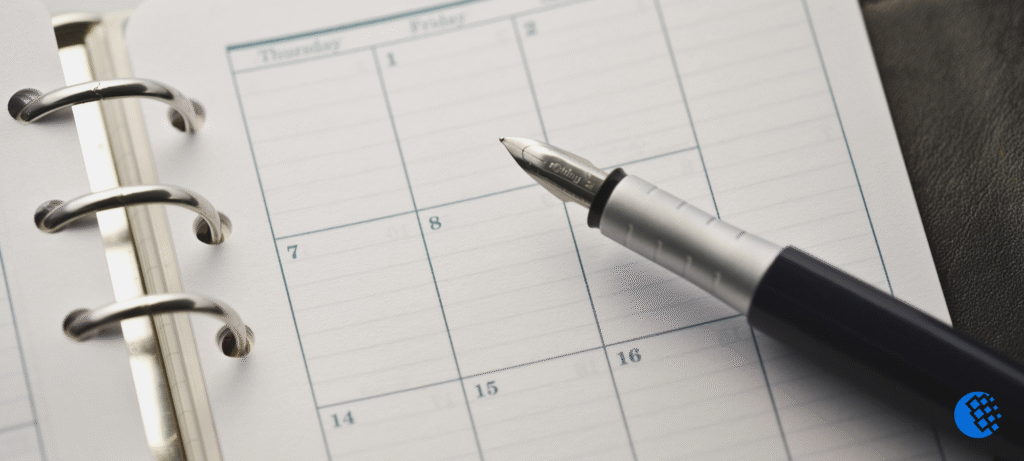
Many people prefer writing things down. Physical planners and wall calendars offer a tangible overview of your time and reduce screen fatigue.
They’re especially useful for:
- Tracking academic deadlines
- Visual learners who benefit from seeing the full month
- Families or roommates who share schedules
Some people even choose to buy a 2026 calendar early so they can map out long-term academic goals, work projects, and personal milestones in one place.
Digital Calendars and Apps
Digital tools are ideal for busy, mobile lifestyles. They sync across devices and send reminders so nothing slips through the cracks.
Benefits include:
- Automatic notifications
- Easy rescheduling
- Color-coding for different life areas
- Integration with email and task managers
Many students and professionals use a hybrid approach—digital for reminders, physical for big-picture planning.
Task Management Tools
Task managers break large responsibilities into manageable steps. Instead of “study for exam,” you can list specific actions like reading chapters, reviewing notes, and practicing problems.
This approach helps reduce procrastination and makes progress easier to track.
Planning Strategies That Actually Work
Even the best tools won’t help without good habits. Here are planning strategies that support balance, not burnout.
Plan Weekly, Not Just Daily
Daily to-do lists are helpful, but weekly planning gives context. At the start of each week:
- Review deadlines and fixed commitments
- Estimate how much time tasks will take
- Schedule work sessions and personal time
This prevents last-minute stress and helps you spread work evenly.
Time-Block Your Schedule
Time-blocking means assigning specific time slots to tasks or activities. Instead of an endless to-do list, your calendar becomes a realistic plan.
For example:
- Mornings for focused schoolwork
- Afternoons for job shifts or meetings
- Evenings for rest, hobbies, or family
Seeing balance on your calendar makes it easier to protect personal time.
Build in Buffer Time
Life is unpredictable. Always leave space between tasks to account for delays, fatigue, or unexpected needs. Buffer time prevents one disruption from derailing your entire day.
Review and Adjust Regularly
Your schedule should evolve as your responsibilities change. Weekly or monthly reviews help you:
- Identify what’s working
- Adjust unrealistic expectations
- Drop commitments that no longer align with your priorities
Flexibility is a key part of sustainable planning.
Supporting Mental Health Through Better Planning
Planning isn’t just about productivity—it directly affects mental well-being. When everything lives in your head, stress builds quickly. A clear plan reduces anxiety by creating a sense of control.
Healthy planning habits include:
- Scheduling breaks and rest intentionally
- Limiting daily task lists to realistic amounts
- Setting clear start and end times for work
- Protecting sleep and downtime
Remember, balance doesn’t mean doing everything perfectly. It means making space for what matters most.
Making Planning a Long-Term Habit
Consistency matters more than perfection. Start small by choosing one or two tools and building a simple routine around them. Over time, planning becomes second nature.
Tips for long-term success:
- Keep tools simple and easy to access
- Review your schedule at the same time each week
- Avoid overloading your calendar
- Celebrate progress, not just completion
Planning should support your life—not control it.
Final Thoughts: Balance Is Built, Not Found
Balancing school, work, and personal life isn’t about having more hours in the day. It’s about using the time you have with intention. With thoughtful planning tools and realistic strategies, you can reduce stress, stay organized, and create space for both achievement and rest.
When your schedule reflects your values, balance becomes less of a struggle – and more of a steady, sustainable rhythm.