Growing up alongside a sibling with Autism presents unique opportunities and challenges. While siblings often develop empathy, patience, and resilience, they may also experience confusion, frustration, or feelings of neglect due to the additional attention and specialized care required by their brother or sister. Creating a structured sibling support system is essential to ensure that all children in the family feel valued, understood, and empowered. By fostering awareness, encouraging open communication, and providing tools for coping, families can strengthen relationships and build a nurturing environment for every child.
Understanding the Sibling Experience
Siblings of children with autism often face a range of emotions, from pride and love to jealousy and frustration. They may notice differences in behavior, communication, and social interactions that they do not fully understand, which can lead to confusion or embarrassment, especially in social settings. Recognizing these experiences is the first step in creating a supportive framework. Parents and caregivers can help siblings by explaining autism in age-appropriate language, highlighting their brother or sister’s strengths, and encouraging empathy and understanding. Educating siblings about the reasons behind certain behaviors can reduce misunderstandings and foster compassion, creating a stronger family dynamic.
Open Communication is Key
Effective communication is central to supporting siblings. Encouraging children to express their feelings, ask questions, and share concerns helps them process their emotions in a safe and constructive manner. Parents can model positive communication by listening actively, validating emotions, and providing gentle guidance on how to respond to their sibling’s needs. Programs like Kids Club ABA emphasize the importance of integrating families into therapy and educational strategies, which can also include structured discussions for siblings. By creating a space for honest dialogue, siblings feel heard and respected, reducing stress and fostering emotional well-being.
Educating Siblings About Autism
Providing age-appropriate information about autism helps siblings understand the behaviors and needs of their brother or sister. Explaining differences in communication, sensory sensitivities, and routines equips siblings with knowledge that reduces frustration and fosters empathy. Parents can use books, videos, or interactive activities to teach siblings about autism in a positive and relatable way. Reinforcing the idea that autism is just one aspect of their sibling’s identity, rather than defining them entirely, helps children appreciate individual strengths and talents. This approach promotes inclusion, respect, and meaningful relationships within the family.
Creating Opportunities for Positive Interaction
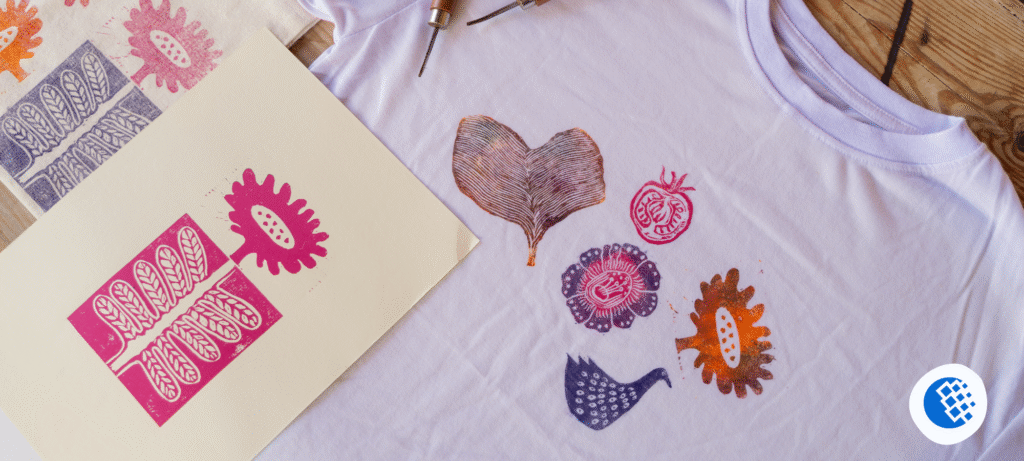
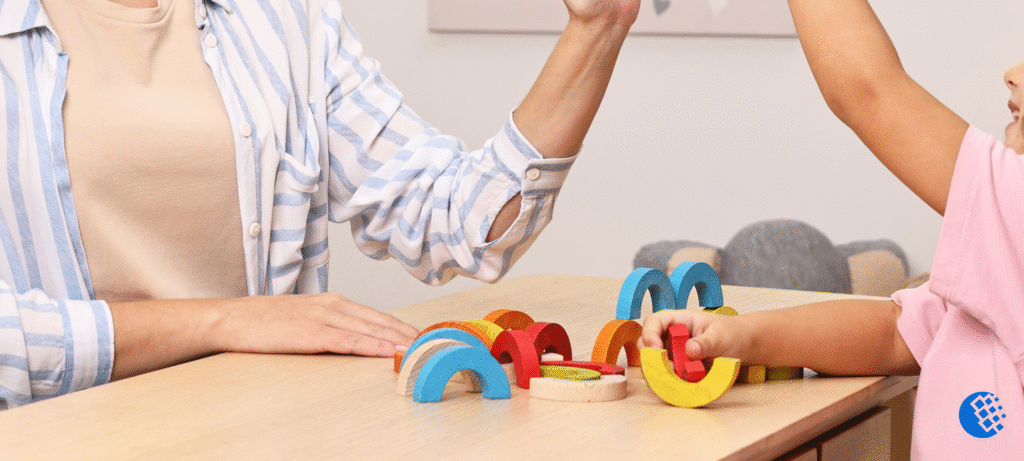
Structured and intentional interaction between siblings can strengthen bonds and improve mutual understanding. Planning activities that both children enjoy, such as games, crafts, or shared hobbies, allows siblings to engage positively and build shared experiences. Parents can provide guidance to ensure activities are supportive and manageable, taking into account sensory sensitivities or behavioral differences. Reinforcing cooperation, patience, and teamwork during these activities not only improves sibling relationships but also helps children develop social and emotional skills that are transferable to other areas of life.
Providing Emotional Support and Coping Strategies
Siblings may feel overlooked, stressed, or anxious due to the additional attention their brother or sister requires. Offering emotional support and teaching coping strategies is essential. Encouraging siblings to take breaks, pursue individual interests, and participate in peer activities helps them maintain a sense of identity and personal fulfillment. Parents can also validate feelings of frustration or sadness, normalize these emotions, and provide constructive outlets for expression. Teaching problem-solving skills and self-regulation strategies ensures that siblings can navigate challenges in a healthy and resilient way.
Involving Siblings in Therapy and Learning Opportunities
Involving siblings in certain aspects of therapy or learning experiences can promote understanding and collaboration. For example, siblings can participate in structured play sessions or skill-building exercises under guidance, helping them learn strategies to support their brother or sister effectively. Programs such as Kids Club ABA often encourage family involvement to generalize skills across home and community settings. By participating in therapy in a meaningful way, siblings gain insight into their brother or sister’s development, feel empowered, and contribute positively to the family dynamic.
Encouraging Independence and Mutual Respect
Teaching both children about boundaries, personal space, and mutual respect is crucial. Siblings should learn how to support without overstepping, while the child with autism should be encouraged to participate in shared activities as able. Promoting independence, self-expression, and choice for both children fosters equity and reduces tension. By encouraging respect for individual differences and reinforcing positive interactions, families can create an environment where every child feels valued, understood, and empowered.
Celebrating Achievements and Strengths
Highlighting accomplishments, talents, and milestones for both children strengthens self-esteem and family cohesion. Celebrating successes, whether academic, social, or personal, ensures that siblings feel recognized and appreciated. Parents can create opportunities to acknowledge the unique strengths of each child, emphasizing that every family member contributes meaningfully to the household. Recognizing achievements fosters pride, motivation, and positive interactions, reinforcing a culture of support and encouragement.
Conclusion
Building a sibling support system is essential for families navigating the complexities of Autism. By fostering understanding, promoting open communication, providing emotional support, involving siblings in learning opportunities, and celebrating strengths, families can create a nurturing environment where every child feels valued and empowered. Programs like Kids Club ABA offer guidance and tools to support siblings, helping parents implement strategies that strengthen relationships and improve family harmony. Through intentional planning, education, and encouragement, siblings can develop empathy, resilience, and lasting bonds, making the family experience more inclusive, supportive, and joyful for everyone.