
When you picture a team of huskies racing across a frozen tundra, you probably imagine thick fur, icy breath, and unparalleled endurance. What you might not immediately notice are the small, brightly colored fabric bags on their feet. This leads to a common question among dog enthusiasts: do sled dogs wear boots?
The short answer is yes. But the reasons go far beyond just “keeping their feet warm.” In the world of mushing, booties are not a fashion statement; they are a critical piece of performance equipment. Whether you are an aspiring musher or just a dog owner trying to decide if your pup needs winter footwear, understanding why pros use them can change how you view paw care.
The Reality of Working Paws
Sled dogs are the elite marathon runners of the canine world. During a race like the Iditarod, these dogs can cover up to 100 miles in a single day. While their paws are naturally tough and adapted to cold climates, they are not indestructible.
Why Do Mushers Use Booties?
You might think the primary enemy is the cold, but for a working sled dog, the real enemy is friction and ice.
- Abrasion Protection: Just like a human runner can get blisters from bad socks, dogs can develop abrasions on their pads from running long distances over rough terrain. Snow isn’t always soft; at low temperatures, it can become as abrasive as sandpaper.
- Ice Ball Prevention: This is perhaps the biggest reason for boots. When a dog sweats through their paws or steps in water, snow can stick to the fur between their toes. This snow melts and refreezes into hard, jagged balls of ice. These ice balls can be incredibly painful, feeling like walking with a rock in your shoe.
- Injury Management: If a dog has a minor crack or cut on a pad, a bootie keeps the wound clean and prevents infection, allowing the dog to continue running comfortably while it heals.
Busting Common Myths About Dog Boots
Despite their widespread use in professional racing, many pet owners still hesitate to put shoes on their dogs due to lingering myths. Let’s clear up some misconceptions.
Myth 1: “Dogs’ Paws Don’t Get Cold”
While northern breeds like Alaskan Malamutes have specialized circulation systems that keep their paws warmer than other breeds, they are not immune to frostbite. In extreme temperatures (think -20°F and below), exposed skin is vulnerable. Boots add a necessary layer of insulation.
Myth 2: “Boots Are Unnatural and Uncomfortable”
Most dogs indeed walk funny when they first wear boots. However, “unnatural” does not mean “bad.” Collars and leashes are also unnatural, yet we use them for safety. Once a dog realizes that boots prevent pain from salt, ice, or hot pavement, they often become eager to put them on.
Myth 3: “Only Weak Dogs Wear Boots”
This is the most damaging myth. In the sled dog community, using booties is a sign of good dog care, not weakness. A musher who doesn’t boot their dogs when conditions require it is considered negligent. Prevention is always better than cure.
Lessons for the Average Pet Owner
You might not be running the Yukon Quest, but the principles of paw care apply to your household pet too. The hazards your dog faces on a daily walk can actually be more dangerous than what a sled dog faces on the trail.
Urban Hazards
For city dogs, the winter threat isn’t usually abrasive snow—it’s chemical de-icers. Road salts used to melt ice can cause severe chemical burns on paw pads. Furthermore, jagged ice on sidewalks can slice pads open. In the summer, hot asphalt is a major danger.
If sled dogs—the toughest dogs on the planet—wear protection, your pet likely needs it too.
Choosing the Right Gear
Sled dog booties are typically simple designs made of Cordura fabric with a Velcro strap. They are designed to be cheap, disposable, and changed frequently. For the average pet owner, however, you need something more durable and structured that can last through an entire winter season.
What to Look For
- Waterproofing: Essential for keeping paws dry and preventing that dangerous refreezing of snow between toes.
- Traction: Rubber soles are vital for pets walking on slick surfaces like hardwood floors or icy driveways.
- Secure Fit: A boot that falls off is useless. Look for adjustable straps.
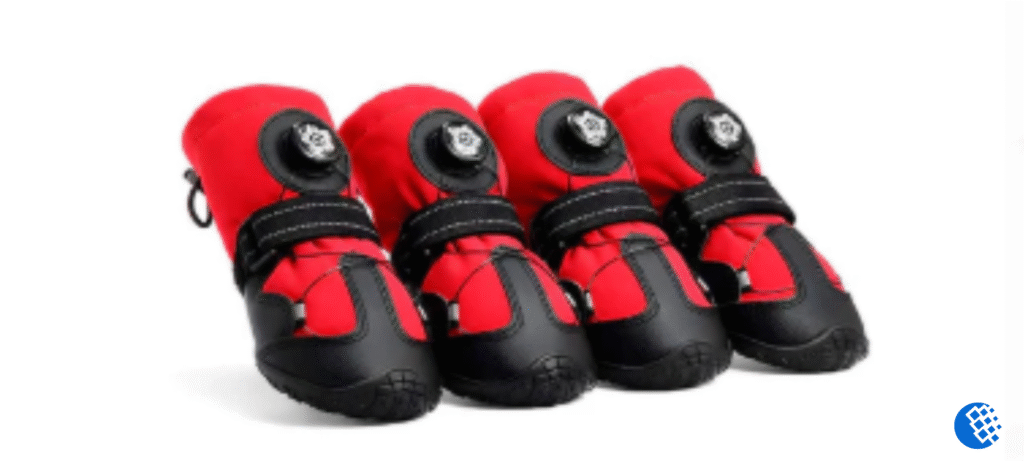
For everyday adventures, we recommend dog boots. They offer the durability needed for hiking and urban walking, combined with the waterproofing necessary to protect against snow and rain. Unlike simple fabric sacks, these provide structural support and superior grip.
If you are interested in exploring different styles suitable for various breeds and activity levels, you can see details here to browse a full collection of protective footwear.
How to Introduce Boots to Your Dog
Taking a page from the musher’s handbook, the key to success is speed and positivity.
- Start Indoors: Put the boots on for short periods inside the house.
- Use High-Value Treats: Distract your dog with their favorite snack while you put the boots on.
- Keep Moving: Once the boots are on, immediately engage your dog in play or go for a walk. If they are focused on moving, they will forget about their feet.
- Check Frequently: Just like mushers check their dogs’ feet at every checkpoint, you should check your dog’s paws after every walk to ensure there is no rubbing or irritation.
Conclusion
So, do sled dogs wear boots? Absolutely. They are a testament to the fact that protecting your dog’s feet is a vital part of responsible ownership. Whether you are trekking through deep snow or just walking around the block on a salty sidewalk, providing a barrier against the elements ensures your dog stays happy, healthy, and ready for the next adventure.
Don’t let the weather dictate your schedule. Equip your pup with the right gear, and enjoy the outdoors together, safely.