

Understanding E Learning Consulting Services
E learning consulting services are often misunderstood. Some people think they are just about building online courses. Others assume it is mainly technical support for learning platforms. In reality, it sits somewhere in between strategy, instructional design, and performance improvement.
I have worked with teams who believed they only needed a new Learning Management System. After a few conversations, it became clear the issue was not the platform. It was unclear learning goals, scattered content, and no measurement plan. That is usually when e learning consulting services become valuable. They step back before jumping into development.
What E Learning Consulting Services Actually Involve
At a practical level, e learning consulting services help organizations plan, design, evaluate, and improve digital learning programs. That might include corporate training, higher education modules, compliance courses, onboarding programs, or certification pathways.
Needs Analysis and Evaluation

Consultants often begin with analysis. They look at existing materials, performance gaps, learner feedback, and technical infrastructure. Sometimes they conduct stakeholder interviews. Sometimes they review data from past courses.
In one project I observed, over 40 percent of learners were dropping out before completing mandatory compliance training. The content was technically correct, but poorly structured and difficult to navigate. A consultant reorganized it around clearer objectives, shorter modules, and better interaction. Completion rates improved noticeably.
Strategic Planning and Needs Assessment
Before content is built, there has to be clarity. Why does the training exist? What behavior should change? How will success be measured? These questions are not always asked internally.
A consultant helps organizations define learning outcomes aligned with business goals. This is especially important in regulated industries or structured educational programs. For example, in professional pathways such as Appraisal Continuing Education Indiana, compliance requirements are strict. Digital learning must align precisely with regulatory standards. Consulting ensures that structure and reporting meet expectations.
Instructional Design and Content Architecture
Once goals are clear, design follows. E learning consulting services often include instructional design planning. That means deciding how information should flow, what type of interaction fits the audience, and how assessments will reinforce learning.
Effective Learning Design
There is a difference between uploading slides and designing learning. Consultants think about cognitive load, engagement, feedback loops, and accessibility. They evaluate whether a video is necessary or if a scenario-based simulation would work better. Sometimes simpler is stronger.
In environmental training programs like Online Environmental Education Certificates, content often combines scientific explanation with applied case studies. A consultant ensures that the digital format supports understanding rather than overwhelming learners with dense text.
Technology Selection and Platform Guidance
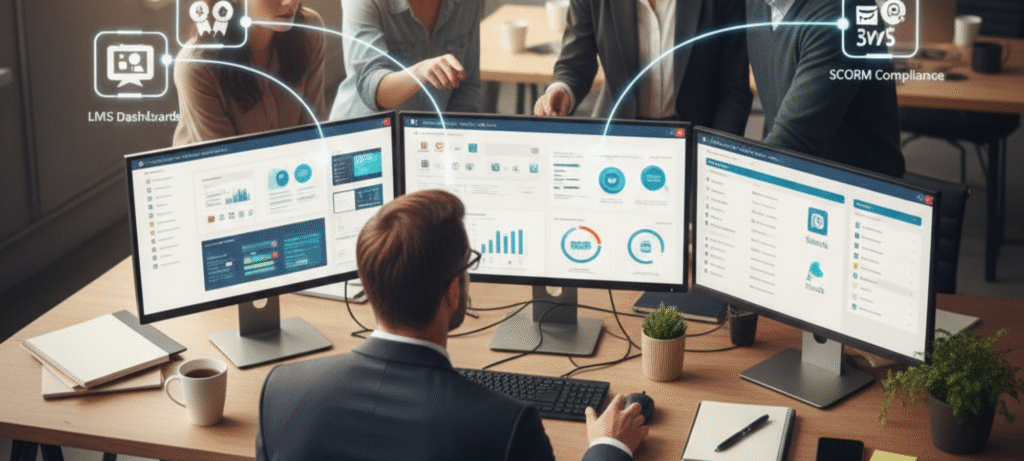
Many organizations ask, which Learning Management System should we choose? The answer depends on scale, reporting needs, integration requirements, and budget. E learning consulting services evaluate technical ecosystems before recommending tools.
Platform Considerations
Some teams require SCORM compatibility. Others need mobile responsiveness or integration with HR systems. Without proper analysis, companies risk purchasing expensive platforms that do not fit their workflow.
Industry resources such as Learning Light frequently discuss trends in digital learning platforms and evaluation criteria. Broader research platforms like ResearchGate publish studies examining digital learning effectiveness across sectors. These references help consultants stay grounded in evidence rather than trend chasing.
Performance Measurement and Analytics
Digital learning generates data: completion rates, assessment scores, time spent per module, engagement metrics. But data without interpretation is just numbers.
Consultants help organizations define meaningful performance indicators. Are employees applying new knowledge? Is productivity improving? Are compliance risks decreasing? In some cases, analytics frameworks connect with broader institutional reporting systems, similar to what we discussed in business intelligence in education. Structured data analysis ensures that training investments are measurable rather than assumed.
Change Management and Stakeholder Alignment
One of the most overlooked aspects of e learning consulting services is change management. People resist new systems. Trainers may feel replaced. Employees may see digital modules as extra workload.
A consultant often works quietly in the background to align leadership, managers, and learners. Clear communication plans reduce resistance. Pilot programs allow feedback before full implementation. Without this human layer, even well-designed courses can fail.
Cost Considerations and Budget Planning
Organizations frequently ask how much e learning consulting services cost. The answer varies widely. It depends on scope, customization, technical integration, and duration of engagement.
Some consultants work on short-term audits. Others provide long-term partnership models. A simple content review might take weeks. A full digital transformation could take months or longer.
It is important to remember that cost should be evaluated against long-term impact. Poorly designed training leads to wasted time and recurring redevelopment. Structured consulting can prevent repeated mistakes.
Common Challenges in E Learning Consulting
Not every consulting engagement is smooth. Data may be incomplete. Leadership priorities may shift mid-project. Budget approvals may stall progress.
I have seen situations where stakeholders requested interactive simulations without clarifying learning objectives. The consultant had to gently redirect the conversation back to outcomes. Technology should support goals, not drive them.
Another challenge involves unrealistic timelines. Quality instructional design requires iteration. Rushing development often results in superficial learning experiences.
People Also Ask
What Does an E Learning Consultant Do?
An e learning consultant analyzes training needs, designs digital learning strategies, advises on platform selection, supports instructional design, and helps measure outcomes. They bridge business goals and educational structure.
What Are E Learning Services?
E learning services include course development, instructional design, LMS implementation, content conversion, performance tracking, and training evaluation. Consulting focuses more on strategy and planning rather than only production.
What Are the Three Main Types of E Learning?
Generally, digital learning can be categorized as self-paced modules, instructor-led virtual sessions, and blended learning that combines online and in-person elements.
How Much Does E Learning Cost?
Costs depend on complexity. Simple modules may require limited investment. Custom simulations, integration, and analytics infrastructure increase expenses. Consulting fees vary based on scope and duration.
FAQs
Do Small Businesses Need E Learning Consulting Services?
Small organizations can benefit, especially if they lack internal instructional design expertise. Even a brief strategic consultation can prevent inefficient spending.
Is Consulting Necessary if We Already Have an LMS?
Having a platform does not guarantee effective learning. Consultants evaluate whether the LMS supports objectives and whether content is aligned with goals.
How Long Does a Consulting Engagement Last?
It can range from a few weeks for targeted analysis to several months for large-scale digital transformation initiatives.
Can Consultants Train Internal Teams?
Yes. Many consultants focus on building internal capability so organizations can sustain improvements independently.
Final Thought
E learning consulting services are less about flashy technology and more about clarity. Clear goals. Clear structure. Clear measurement.
Digital training can scale quickly, but scaling confusion does not help anyone. A thoughtful consultant slows the process just enough to ask the questions most teams skip.
Sometimes the most valuable contribution is not designing a new course at all. It is recognizing what should not be built in the first place.
You can find us here: Try this easy grading tool at EasyGrader.net