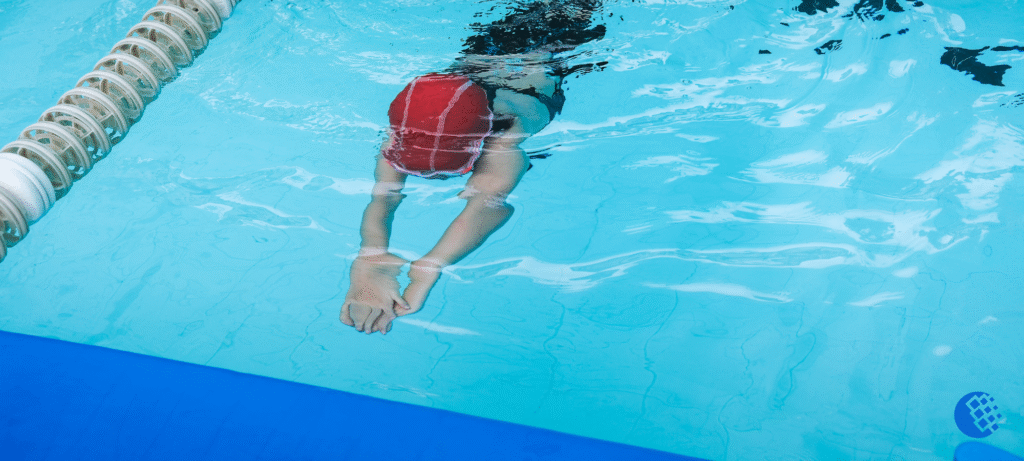
So my little cousin Emma asked me this last summer when we were hanging out at the community pool. She’s like nine years old and all her friends were already doing cannonballs off the diving board while she was still scared to go past the shallow end. “How long till I can swim like them?” she asked me with this worried look on her face.
Honestly I didn’t know what to tell her right away because it’s such a weird question when you think about it. Some kids figure it out in like a month, others take half a year or more. And adults? That’s a whole different story. Plus what does “learning to swim” even mean? Just not drowning? Being able to swim across the pool? Actually looking good while doing it?
I ended up helping Emma with lessons over that summer and she got pretty decent by August. But watching her progress made me realize there’s no simple answer to this question. So let me just tell you what I’ve seen after teaching swim stuff for the past bunch of years.
What Does “Learning To Swim” Even Mean Anyway
Before we get into how long it takes, we gotta figure out what we’re even talking about here. Because learning to swim isn’t just one thing, it’s like a bunch of different levels.
First there’s just being comfortable in water. Can you get your face wet without freaking out? Can you float on your back without panicking? Are you okay if someone splashes you? For some people this part takes one day, for others it takes weeks of just hanging out in the shallow end getting used to it.
Then you got basic survival stuff. Like if you fell in a pool, could you keep your head above water? Could you get yourself to the edge? Could you tread water for even just 30 seconds? This is really the bare minimum of what I’d call “knowing how to swim” because it’s about not dying basically.
After that comes actual swimming where you’re moving through the water on purpose. Front crawl, backstroke, all those proper strokes you see people doing at the gym pool. This is what most people picture when they think about swimming but honestly you don’t need perfect technique to be safe around water.
And then way later there’s being actually good at swimming. Like doing flip turns, diving properly, swimming a mile without stopping, all that advanced stuff. That takes years not months.
So when Emma asked how long it takes to learn, I had to ask her back, which part are you asking about? Because the timeline’s totally different for each level.
Kids Versus Adults Is Like Two Different Sports
Here’s something wild that I didn’t realize until I started teaching both age groups. Kids and adults learn swimming in completely opposite ways and it takes totally different amounts of time.
Little kids like ages 4 through 8 usually take forever to learn the basics but then once they get it, they just naturally get better super fast. A typical kid might need like 25 or 30 lessons over a few months before they can swim independently without floaties or anything. But then suddenly they just click and two weeks later they’re doing backflips off the diving board.
I’ve literally seen kids go from being terrified to put their face in the water to jumping in the deep end in like a month once something clicks in their brain. Kids don’t overthink stuff the way we do, so once the scary part goes away, their bodies just figure out the movements through playing around.
Teenagers are interesting because they understand instructions way better than little kids but they also get embarrassed easier. A motivated teenager can probably learn basic swimming in like 12 to 15 lessons over maybe six weeks if they practice between lessons. But if they feel stupid or self conscious, they might just quit.
Now adults are the weirdest group honestly. Adult beginners usually understand the mechanics really fast because you can explain the physics and they get it logically. Like I can tell an adult “you need to rotate your body to breathe” and they understand immediately. Tell that to a six year old and they just stare at you.
But here’s the problem with adults. The fear is SO much bigger. I’ve taught grown adults who completely understood what they needed to do but their body just wouldn’t cooperate because they were too scared. Their brain was like “nope we’re gonna drown” even though logically they knew they were in three feet of water.
An adult who isn’t scared of water might learn basic swimming in like 12 to 20 lessons over maybe two months. But an adult who’s genuinely terrified might need six months or a whole year of lessons just to get comfortable enough to try swimming. And there’s nothing wrong with that, fear doesn’t care about logic.
Why Some People Pick It Up Way Faster
Okay so why can some people learn in three weeks while others are struggling six months later? There’s actually some pretty clear reasons.
If you grew up playing in pools even without real lessons, you’re already way ahead. You know how water feels, you’re not scared of getting your face wet, you’ve probably figured out some basic floating by accident. Someone who’s barely been in water deeper than a bathtub is starting from literally zero.
Being athletic helps a little bit but not as much as you’d think. I’ve taught super coordinated soccer players who couldn’t relax enough to float. And I’ve taught clumsy people who became really smooth swimmers because they just stayed calm in the water.
Fear level is honestly the biggest thing. Someone who’s just slightly nervous about water will learn maybe five times faster than someone who’s genuinely terrified. You can’t learn new physical stuff when your brain is in full panic mode screaming “WE’RE GONNA DIE.”
How often you practice makes a massive difference. Someone doing lessons twice a week plus practicing on their own in between will learn like three times faster than someone doing one lesson a week with zero practice. Your muscles need repetition to remember stuff.
Having a good teacher matters more than people think. A teacher who can explain things in ways that make sense to you speeds everything up. A bad teacher or just trying to learn from random YouTube videos takes forever.
Also your body type affects floating which affects confidence. People with more fat float easier naturally. People with a lot of muscle tend to sink more. Neither one is better, but if you’re a sinker you need better technique to stay up, which slows down learning at first.
Real Numbers For Kids
Let me give you actual timelines based on what I’ve seen teaching probably hundreds of kids at this point.
For a kid around age 5 or 6 who’s never really been in a pool before, expect maybe 20 to 30 lessons to get to basic independent swimming. That’s usually spread over three to six months doing one or two lessons each week. By the end they can swim across the pool doing some version of freestyle, they can float on their back without help, they can tread water for like 30 seconds.
Kids who start younger like age 3 or 4 might take even longer to reach that same level because they’re still figuring out how to control their body in general. But they end up being way more comfortable in water long term because they’re learning before they develop real fear.
Kids who start older like 8 to 12 often learn faster if they actually want to learn. I’ve seen motivated ten year olds go from scared of water to swimming laps in like eight weeks. But if mom and dad are forcing them and they don’t wanna be there, forget it, progress is super slow.
Private lessons versus group lessons changes everything too. Private lessons are faster, maybe 15 lessons to get to basic swimming. Group lessons might take 30 lessons because there’s more waiting around and less individual attention. But group is cheaper and some kids do better with other kids around.
Real Numbers For Adults
Adult timelines are all over the map but here’s what I usually see.
An adult who’s comfortable in water but just never learned proper swimming might figure it out in 8 to 12 lessons over like a month. They’re mostly just learning the arm movements and breathing rhythm, they’re not dealing with fear stuff.
An adult beginner who’s a little nervous but willing to try needs maybe 15 to 25 lessons over two to four months. They need time to build comfort, learn techniques, and practice enough that their body does it automatically without thinking.
An adult with real water fear might need 30 to 50 lessons spread over six months to a whole year. And honestly that’s completely fine. Trying to get over genuine fear while also learning complicated physical movements is really hard. These people need patience and a teacher who won’t push them too fast.
I had this lady last year who was like 45 and terrified because she almost drowned when she was a kid. Took her literally eight months of weekly lessons before she could swim one lap. But when she finally did it she started crying she was so happy. Eight months was the right timeline for her even though it’s longer than average.
The Practice Problem That Kills Everyone’s Progress
Here’s something that slows down basically everyone no matter how old they are. People don’t practice between lessons.
You know how if you’re learning guitar, the real progress happens when you practice at home, not during your weekly lesson? Swimming is exactly the same. The lesson teaches you what to do but the practice time is where your body actually learns it and builds muscle memory.
But most people take swim lessons at a pool they don’t have access to any other time. So they have their Tuesday lesson and then don’t touch water again until next Tuesday. That’s not enough repetition for your muscles to remember anything.
If you can get to a pool even just 20 minutes twice a week between lessons to practice what you learned, you’ll progress literally twice as fast. You don’t need a teacher watching you, just go practice the stuff from your last lesson.
This is actually super similar to how learning works in school too. Like when students are working on their general learner outcomes, the real growth happens through regular practice and actually using what you learned, not just sitting in class listening. Swimming works the same exact way.
When You Get Stuck And Can’t Improve
Almost everybody hits a wall at some point where they feel like they’re not getting better anymore. You’re making progress and then boom, suddenly you’re stuck at the same level for weeks.
This is totally normal and usually it means your brain is processing everything you learned. Sometimes you gotta stay at a plateau for a while before your next improvement jump. Don’t get discouraged, just keep practicing even when it feels like nothing’s changing.
Sometimes you’re stuck because there’s a technical problem that needs fixing. Like maybe your breathing is wrong and it’s messing up everything else. A good teacher can spot these issues and help you fix them.
Other times being stuck is mental not physical. Like you’re totally capable of swimming in deeper water but your brain won’t let you try it. These need different solutions like slowly working up to it or learning to relax better.
When Speed Actually Matters
For most people there’s no real rush to learn swimming fast. But sometimes you do have a deadline.
If you’re moving somewhere near water and you have young kids who’ll be around pools or beaches, then yeah, learning fast matters for safety. In that case consider doing intensive lessons, like an hour every day for a week straight. That immersion thing works really well for building basic skills quickly.
If you need to pass a swim test for a job or to join something, obviously you’re on a timeline. Be realistic about how much time you need and start way earlier than you think. Don’t assume you can learn swimming in two weeks before your test date, give yourself at least two or three months.
For kids wanting to join swim team, they need certain skills by tryouts. But honestly if your kid isn’t ready yet, just wait till next season. Pushing too hard too fast can make them hate swimming which makes everything worse long term.
The Fear Thing That Everyone Avoids Talking About
Let me just be real with you. Fear is the number one thing that makes learning take longer, and it’s the hardest problem to solve.
Some people are just naturally scared around water. Maybe something bad happened when they were little, maybe they just hate not being able to touch the bottom, whatever the reason. That fear is real and you can’t just decide to not be scared anymore.
The only way past fear is going super slow and being patient with yourself. You start with whatever feels safe, even if that’s just sitting on the pool steps in six inches of water. Then you move forward tiny bit by tiny bit, only going to the next level when you’re actually comfortable. This takes a long time and there’s no shortcut.
I’ve seen people try to force themselves past fear quickly and it always makes things worse. They have a panic attack in the pool and then they’re even MORE scared than before. Slow and steady is the only way that works.
If you’re an adult with serious water fear, maybe talk to a therapist who deals with phobias while also taking swim lessons. Working on the mental stuff and the physical skills at the same time is way more effective than just swim lessons by themselves.
Stuff From Other Activities That Actually Helps
Weirdly enough, some other activities give you a head start with swimming even though they’re not in water.
Dance and gymnastics build body awareness that transfers over. Dancers often pick up swimming faster because they’re used to thinking about how their body moves through space and they have good control.
Yoga helps with breathing and staying calm, both super important for swimming. People who do yoga regularly tend to stay relaxed in water and breathe more smoothly while swimming.
Running or cycling or any sport where you gotta control your breathing gives you an advantage. You’re already used to coordinating breathing with movement which is one of the hardest parts of swimming for beginners.
Martial arts teach body control and staying calm when you’re uncomfortable. I’ve noticed people with martial arts background tend to progress steadily in swim lessons without getting frustrated as much.
It’s kinda like how some skills are naturally tougher to pick up than others in general. Similar to how the hardest instruments to learn need specific coordination and breath control, swimming needs its own unique combo of abilities. But having related experience from other stuff definitely helps.
Private Lessons Versus Group Classes
This choice impacts your timeline big time so let’s break it down.
Private lessons are faster, no debate. You get the teacher’s full attention, lessons designed exactly for what you need, and you can’t zone out or hide in the back of the class. For adults or serious kids, private is worth paying extra.
I’d say private lessons get you to basic swimming in about two thirds the time of group lessons. So if group would take 30 lessons, private might only take 20.
But group lessons have good points too. Way cheaper obviously. Kids often try harder when they see other kids doing stuff, creates motivation. And for shy adults, having other beginners around sometimes makes it less embarrassing.
Semi private with like two or three students and one teacher can be a nice middle option. You get more attention than a big group but pay less than fully private.
What Happens After Basic Swimming
Once you can swim across the pool without stopping, you’re not done learning, you’re actually just starting.
Building endurance takes months of swimming regularly. Being able to swim 25 meters is totally different from swimming 500 meters. If you want to swim laps for exercise, expect a few more months of consistent practice to build your stamina up.
Getting better technique is an ongoing thing that honestly never ends. Even Olympic swimmers constantly work on form. The better your technique gets, the easier swimming feels, but that refinement takes years.
Learning different strokes adds variety. Most people start with freestyle but learning backstroke, breaststroke, butterfly each takes separate time. Butterfly especially can take months to learn even if you’re already decent at other strokes.
Open water swimming like in lakes or oceans is completely different from pool swimming. You need separate skills for dealing with waves, figuring out which direction you’re going, and handling the psychological weirdness of deep water with no walls around you.
My Real Advice For People Starting Out
Okay here’s what I actually tell everyone who asks me about learning to swim.
Get some real instruction, don’t try teaching yourself from videos. At least take enough lessons to learn proper technique from the start. Bad habits are really hard to fix later and they slow you down big time.
Practice regularly even if it’s just 20 minutes twice a week. Doing it consistently beats doing it intensely when learning physical skills. Two short sessions weekly is better than one long session every two weeks.
Work on being comfortable before worrying about technique. If you’re scared, just focus on getting comfortable in water first. Floating, walking around, getting your face wet, all that basic comfort stuff. Don’t try learning strokes while you’re still anxious.
Be patient with yourself and celebrate tiny progress. Getting comfortable putting your face underwater is progress. Swimming ten feet is progress. Don’t compare your timeline to other people’s timelines.
Set realistic expectations based on where you’re starting from. If you’re terrified of water, you’re not gonna be swimming laps in a month and that’s completely okay. Take whatever time you actually need.
So What’s The Actual Answer
Alright so back to the original question Emma asked me. How long does learning to swim take?
For kids around age 5 to 7 who aren’t scared of water, expect three to six months of regular lessons to reach basic independent swimming where they can cross the pool safely.
For teenagers, maybe two to four months with consistent practice between lessons.
For adults who aren’t scared, two to three months of weekly lessons plus practicing on your own.
For adults with significant fear, six months to a year, and honestly that’s perfectly normal and nothing to feel bad about.
But these are just averages from what I’ve seen. Your personal timeline might be way faster or way slower depending on all the stuff we talked about. And that’s completely fine either way.
What matters isn’t how fast you learn it, it’s that you actually learn it at all. Swimming is a super valuable life skill and it’s worth taking however much time you personally need to learn it properly and safely.
Emma from the start of this? Took her about four months doing lessons twice a week before she felt confident swimming with her friends. Some kids in her class learned faster, some took longer. Now a year later you’d never know she started behind everyone else. She’s doing cannonballs and swimming underwater like she’s been doing it her whole life.
That’s the thing about timelines for learning stuff. They seem super important while you’re learning but once you actually know how to do it, nobody cares how long it took you. So give yourself permission to learn at your own speed, practice when you can, be patient, and trust that you’ll get there eventually.
Now stop reading articles about swimming and go actually get in a pool. That’s literally the only way to actually learn.