
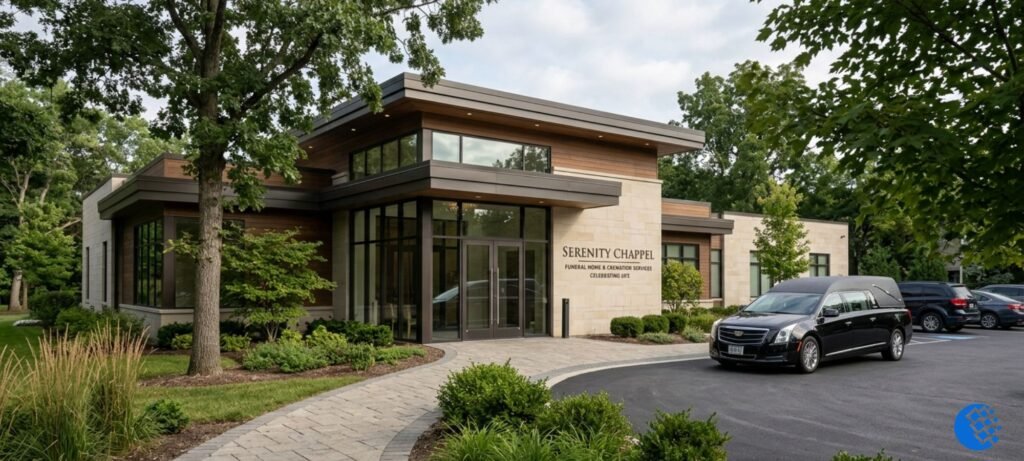
Starting a funeral home isn’t like opening a typical retail shop where you just stock shelves and wait for foot traffic. It is a career built on a foundation of deep trust, empathy, and absolute precision. As we move through 2026, the death care industry is evolving faster than ever, shifting away from the rigid and somber traditions of the past toward more personalized celebrations of life.
If you are exploring how to start a funeral home business, you are stepping into a vital community role that requires a rare mix of emotional intelligence and logistical mastery. While the demand for these services is constant, the barrier to entry remains high. You’ll need specialized licensing, expensive equipment, and a facility that meets very strict health and safety codes. However, for those who can navigate these hurdles, it remains one of the most stable and respected local businesses you can operate in the modern age.
Table of Contents
- What a Funeral Home Business Actually Does
- Startup Costs: A Realistic Breakdown
- Step-by-Step Launch Roadmap
- Service Comparison: Traditional vs. Modern Approaches
- Regional Compliance: Navigating Florida and Canada
- Licenses and Legal Requirements
- Income Potential and Daily Challenges
- Prioritizing Intuitive User Experiences
- FAQs
What a Funeral Home Business Actually Does
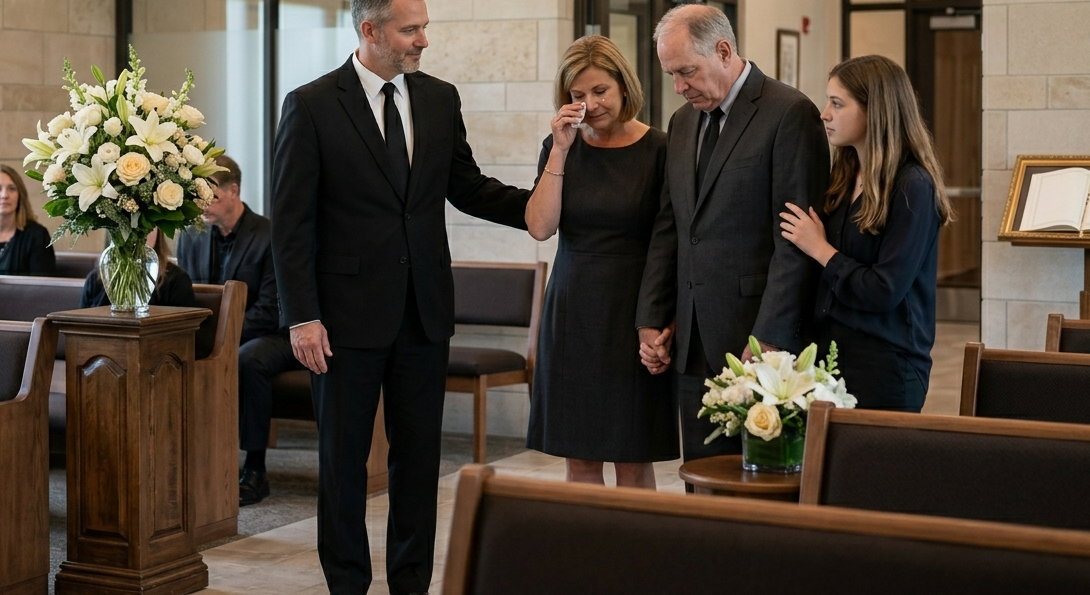
A modern funeral home is essentially a high-stakes event planning center that acts as a logistical bridge during a family’s most difficult days. You aren’t just managing burials; you are managing grief, mountains of legal paperwork, and complex transportation. Today’s firms have to handle everything from traditional cremation and direct burials to high-tech, live-streamed memorial services.
You’ll be responsible for the sensitive task of preparing the deceased with dignity while simultaneously helping families navigate death certificates and insurance claims. It is a job that requires you to be a calm guide when everyone else feels lost, ensuring that every detail—from the flowers to the final resting place—is handled without a single mistake.
How Much Does It Cost to Start a Funeral Home Business?
Capital is undoubtedly the biggest hurdle. Many people ask, “how much to start a funeral home business?” and the reality is that it is quite expensive because you simply cannot cut corners on quality in this industry. Typically, you will need between $250,000 and $1.5 million to get started, depending on your location and whether you are building a new facility or renovating an old one.
A large portion of this investment goes into specialized real estate, advanced ventilation systems for the preparation room, refrigeration units, and embalming tools. Then there is the fleet of professional vehicles; a high-quality hearse alone can set you back $80,000 or more. To put these costs into perspective, the financial planning involved often resembles the structured approach seen in complex commercial lending, where loan structures and collateral requirements influence long-term affordability.
How to Start Up a Funeral Home Business (Step-by-Step)
If you have the capital and the heart for this profession, here is the basic roadmap you’ll need to follow:
- Get Your Education: You’ll almost certainly need a degree in mortuary science from an accredited college and must complete a formal apprenticeship.
- Write Your Business Plan: This needs to detail your target market, a deep dive into local competitor analysis, and local death-rate statistics to ensure the market isn’t oversaturated.
- Find a Facility: Zoning laws for funeral homes are incredibly specific. You can’t just open one anywhere; you need a spot that is accessible yet respects the privacy of the neighborhood.
- Secure Financing: While banks often see funeral homes as safe long-term bets, they will want to see a very clear path to profitability before signing off on a loan.
- Buy Inventory: You’ll need to stock a diverse selection of caskets, urns, and stationery that fits various budgets and cultural preferences.
Service Comparison: Traditional vs. Modern Approaches
Families in 2026 have very different expectations than they did twenty years ago. Understanding these shifting demands is key to your firm’s survival.
| Feature | Traditional Funeral | Modern Celebration of Life |
| Primary Focus | Religious, formal, and structured. | Personalized, individualized, and celebratory. |
| Common Choice | Full casket burial with a viewing. | Cremation, eco-friendly burials, or “green” options. |
| Venue | Funeral home chapel or a local church. | Public parks, community halls, or private estates. |
| Timeline | Usually happens within 3-5 days. | Can be scheduled weeks or months later. |
| Technology | Standard printed obituaries. | Live-streaming, interactive apps, and digital memorials. |
Regional Compliance: Navigating Florida and Canada
Whether you are looking at how to start a funeral home business in Canada or Florida, the core intent of the law is consumer protection, though the methods differ quite a bit. In Canada, regulation happens at the provincial level through bodies like the BAO (Ontario). Their laws are incredibly strict about “Pre-Need” trust funds, ensuring that money paid for future services is legally protected and never used for daily business operations.
Conversely, to how to start a funeral home business in Florida, you must deal with the Florida Board of Funeral, Cemetery, and Consumer Services. Because of the high retiree population, Florida places a heavy emphasis on facility standards and very clear consumer disclosures, particularly for direct cremation services which are extremely popular in the state.
Licenses and Legal Requirements
The legal side of how to start up a funeral home business is intense and unforgiving. You must follow the FTC Funeral Rule Compliance Guidelines under the “Funeral Rule” to the letter. This requires you to offer totally transparent pricing through a General Price List (GPL) before any services are even discussed.
You will also need a personal Funeral Director’s license, a facility permit, and an Embalmer’s license if you plan on offering those services in-house. Detailed regulatory guidance is often managed through the National Funeral Directors Association (NFDA), which serves as a vital resource for staying compliant with ever-changing professional standards.
Income Potential and Daily Challenges
The income in this sector is remarkably steady, but it is definitely not a “get rich quick” scheme. Most owners see a profit margin of roughly 10% to 20%. While a single funeral might bring in $10,000, your overhead costs—including mortgages, 24/7 staffing, and specialized vehicle maintenance—remain incredibly high.
Furthermore, this career isn’t for everyone. You are essentially on call 24 hours a day, 365 days a year. Death doesn’t follow business hours, and the emotional toll of dealing with grieving families daily can be significant. Rising costs for fuel, caskets, and facility maintenance create ongoing financial pressure that requires very tight management.
Prioritizing Intuitive User Experiences
Even in an industry rooted so deeply in tradition, successful owners must embrace modern tools to stay relevant. Today’s families value digital clarity and accessibility above all else. By integrating interactive guides and virtual memorial platforms, you can simplify what is often a very confusing and overwhelming process for the bereaved.
Operationally, team management is just as important as the client experience. Applying structured internal systems—similar to modern incentive designs for a hybrid workforce—can help align your staff’s roles, improve your responsiveness, and maintain service quality when things get hectic. Ultimately, by simplifying information and improving communication, you provide a more compassionate and efficient service when it is needed most.
FAQs
How much money do I need to start?
Realistically, you should expect to need at least $500,000 for a small, professional operation, though a full-service facility often costs much more.
Do I need a degree?
Yes. In almost every jurisdiction, a degree in mortuary science and the completion of a supervised apprenticeship are mandatory.
Is it profitable?
It is a very stable business, but profitability depends on maintaining a consistent volume of calls and keeping a very close eye on high overhead costs.
What licenses are needed?
You’ll generally need a personal Funeral Director license, an Embalmer license (in most cases), and a specific license for your physical facility.