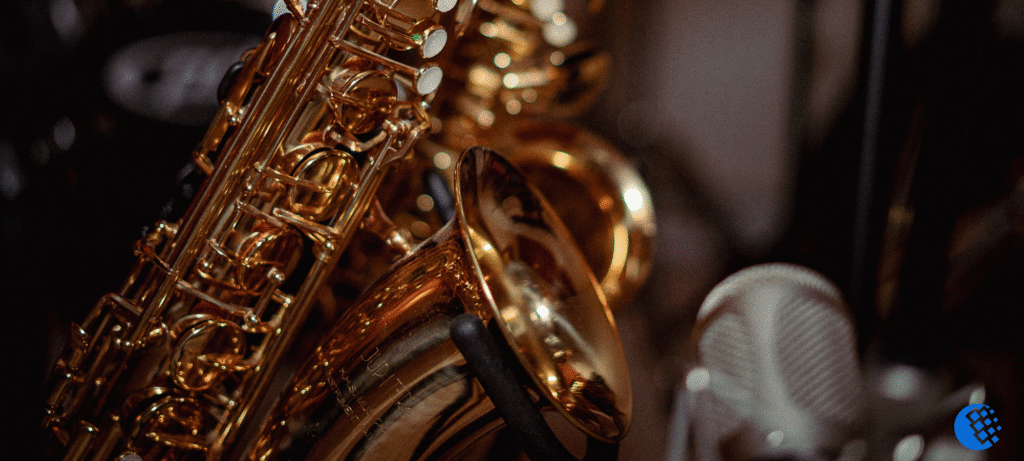
Learning the saxophone has this strange reputation. People say it’s easy. Then, in the same breath, they say it takes years to sound good. Both of those statements are true, and that’s where confusion usually starts.
I’ve seen beginners pick up a saxophone and make a sound within minutes. I’ve also seen players with years of experience still working on tone, control, and consistency. The instrument gives you early wins, which feels encouraging. But it doesn’t let you fake progress for long.
So is the saxophone hard to learn? It depends on what you mean by “learn,” and maybe more importantly, what you expect from yourself.
Why the Saxophone Feels Easy at the Beginning
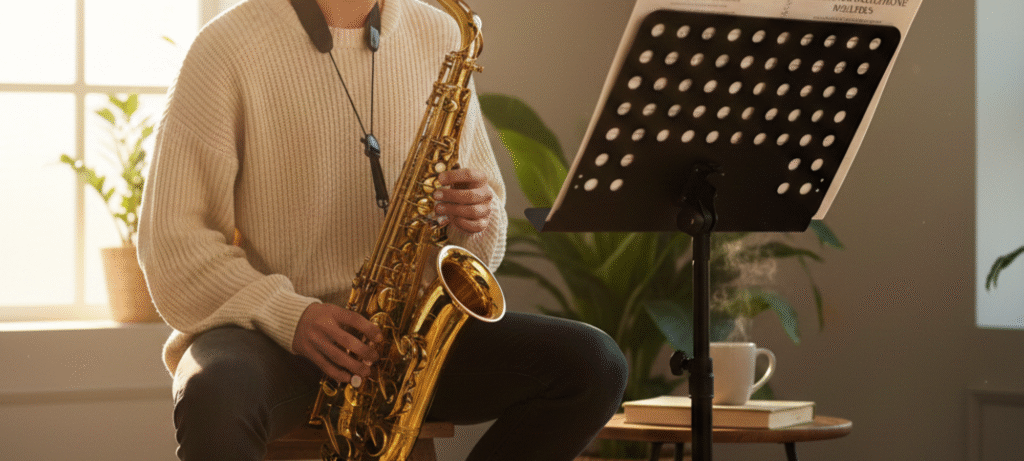
Compared to many wind instruments, the saxophone is designed in a very friendly way. The fingering system makes logical sense. Notes move up and down in a predictable pattern. The octave key simplifies register changes that are far more complex on instruments like the flute or clarinet.
Most beginners can produce a clear note fairly quickly. That first sound matters more than people realize. When you don’t spend weeks just trying to make noise, motivation stays intact. That’s one reason so many teachers recommend saxophone as a first wind instrument.
Another factor is musical access. Saxophones are used everywhere. Jazz, pop, classical, film music, even electronic music. Beginners don’t struggle to find material that feels relevant. Playing something familiar early on helps the learning process feel less abstract.
This early accessibility doesn’t mean the instrument is shallow. It just means the entry point is kind.
What Starts to Feel Difficult After the Basics
Once the novelty wears off, the challenges show up quietly.
Tone control is usually the first wall. Getting a note is easy. Getting a warm, stable, expressive tone is not. Small changes in embouchure, breath pressure, and mouthpiece position can completely change how the instrument responds. At first, this feels inconsistent and frustrating.
Breathing is another issue. The saxophone demands steady air support. Not forceful, not weak, just steady. Many beginners underestimate how physical wind instruments are. Long tones can be tiring. Your face muscles get sore. Your posture suddenly matters.
Then there’s finger coordination. While fingering patterns are logical, speed and accuracy take time. Playing cleanly at tempo exposes every hesitation. This is where some learners start questioning themselves.
I’ve noticed this phase is where people either slow down and adjust expectations or quit entirely.
Is Saxophone Harder Than Other Instruments
Compared to string instruments like violin, the saxophone is generally easier to start. You don’t fight intonation immediately. You don’t need years before sounding acceptable.
Compared to guitar, it’s different rather than harder. Guitar demands finger strength and chord coordination early. Saxophone demands breath control and tone awareness. Some people naturally adapt to one more than the other.
Compared to clarinet, many beginners find saxophone more forgiving. The mouthpiece is larger, the embouchure is less strict, and register changes are simpler. That doesn’t make it better or worse, just different.
Difficulty often has more to do with the learner than the instrument.
Self Teaching Versus Guided Learning
Yes, you can teach yourself saxophone. Many people do. Online lessons, videos, and method books make it possible to get started without formal instruction.
The risk is developing habits that feel comfortable but limit progress later. Embouchure issues, poor posture, or inefficient finger movement can stick around for years if not corrected early.
This is similar to learning any practical skill. Structured guidance early on can save time later. It’s the same reason people value formal programs in other areas, whether it’s enrolling in a brow threading course for hands-on skill development or earning credentials like the Golden State Seal Merit Diploma to reflect structured achievement.
A few in-person lessons at the beginning can make self practice far more effective.
How Long Does It Take to Actually Play Well
This is where honesty matters.
You can learn basic scales, simple songs, and beginner pieces within a few months. You’ll feel like you’re playing saxophone, not pretending to.
Sounding confident takes longer. Usually a year or two of consistent practice.
Sounding expressive, controlled, and stylistically aware takes longer still. That’s where advanced players live. They’re not fighting the instrument. They’re shaping sound intentionally.
There isn’t a finish line, though. Even professional saxophonists talk about tone as a lifelong pursuit.
What Makes Learning Saxophone Easier
Equipment matters more than beginners expect. A poorly set up saxophone can make learning feel ten times harder. Reeds that are too hard, a leaky instrument, or an uncomfortable mouthpiece can sabotage progress quietly.
Starting with the right reed strength helps a lot. Softer reeds allow better response early on. As control improves, many players gradually move up.
Listening also plays a role. Beginners who listen actively develop a sense of tone and phrasing faster. You learn what you’re aiming for, even before you can produce it consistently.
And practice matters, but not in a dramatic way. Short, regular sessions usually beat long, irregular ones.
Is Saxophone Beginner Friendly for All Ages
Absolutely. I’ve seen children pick it up quickly and adults progress just as well. Adults sometimes overthink. Children sometimes rush. Both adjust over time.
The physical size of the instrument can matter. Alto saxophone is usually recommended for beginners because it’s manageable and widely supported. Tenor is popular too, though slightly heavier.
Age isn’t the barrier people think it is. Expectations usually are.
Online Learning and Modern Resources
Today, learning saxophone doesn’t rely on a single path. Online lessons, recorded feedback, and practice apps all play a role. Some learners thrive with structured digital programs, while others prefer flexibility.
This mirrors broader shifts in education. The difference between self-paced e-learning and interactive online learning applies here too. Some sax learners benefit from asynchronous practice materials, others from live feedback and real-time correction. Choosing the right approach matters more than choosing the “best” one.
Common Beginner Doubts That Don’t Get Talked About
Many beginners worry they’re “bad” because progress feels uneven. One day things click. The next day they don’t. That’s normal.
Others worry about sounding loud or bothering people. Saxophone practice requires space and confidence. This psychological barrier is real and often underestimated.
Some worry they started too late. They didn’t.
FAQs
Is the saxophone hard to learn for beginners
The saxophone is considered beginner friendly. Most people can make a sound quickly, but consistent tone and control take time.
Can you teach yourself saxophone
Yes, self teaching is possible, especially with modern resources. However, early guidance helps prevent long-term habits that slow progress.
How long does it take to learn saxophone basics
Basic skills usually develop within a few months. Playing confidently takes longer and depends on practice consistency.
Is saxophone harder than guitar
Neither is universally harder. Saxophone focuses on breath and tone control, while guitar focuses on finger strength and coordination.
What is the hardest part of learning saxophone
Most players find tone control and breath support more challenging than fingerings.
Final Thought
The saxophone doesn’t resist beginners. It invites them in. But it doesn’t let them stay comfortable forever either. Somewhere between that first clean note and the search for a personal sound, the real work begins. And that’s usually where people decide whether they’re just learning an instrument or committing to it. The journey is challenging, rewarding, and, ultimately, deeply personal—a balance of patience, persistence, and joy.