
If you’ve ever scheduled an allergy test, you may have received a list of instructions that felt surprisingly strict. One of the most common rules is to avoid caffeine before the test. For many people, this raises questions. After all, caffeine is just coffee or tea, right? How could that possibly affect an allergy test?
The truth is that caffeine can interfere with how your body responds during testing. Even small amounts may change results or make it harder for doctors to read your reactions accurately. Understanding why this rule exists can help you prepare properly and avoid the need to repeat the test.
This article explains why caffeine should be avoided before an allergy test, how it affects your body, and what you can safely do instead.
What Happens During an Allergy Test
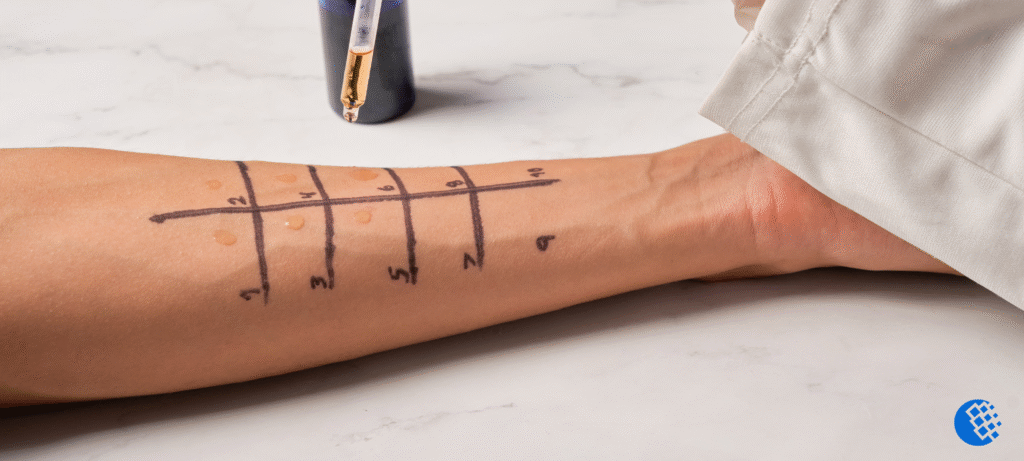
Allergy tests are designed to measure how your immune system reacts to specific allergens. The most common types include skin prick tests and intradermal tests.
During these tests
Small amounts of allergens are introduced to your skin
Your body’s reaction is observed
Redness or swelling helps identify sensitivities
The accuracy of the test depends on how naturally your immune system responds. Anything that alters that response can affect the results.
How Caffeine Affects the Body
Caffeine is a stimulant. It affects several systems in the body, not just alertness.
Caffeine can
Increase heart rate
Stimulate the nervous system
Affect blood flow
Influence chemical messengers in the body
These effects may seem mild, but they can interfere with allergy testing in subtle ways.
Caffeine and Histamine Response
Allergy tests rely heavily on histamine reactions. Histamine is the chemical responsible for itching, redness, and swelling during an allergic response.
Caffeine can
Alter histamine release
Change how strongly the skin reacts
Reduce visible swelling in some people
If histamine reactions are suppressed or altered, allergens may appear less reactive than they actually are.
Impact on Skin Test Accuracy
Skin-based allergy tests depend on visible signs like redness or raised bumps. Caffeine may affect these physical responses.
Possible effects include
Smaller reaction size
Delayed skin response
Inconsistent test results
This can lead to false negatives, where an allergy exists but does not appear during testing.
Why Doctors Are Careful With Test Conditions
Medical testing relies on consistency. Doctors want each test performed under conditions that are as similar as possible for every patient.
That’s why instructions often include
Avoiding caffeine
Stopping certain medications
Arriving well-rested
These steps help ensure results reflect your true allergic profile, not temporary changes caused by stimulants.
Caffeine and Anxiety During Testing
Caffeine can also increase anxiety, especially in people sensitive to it. Allergy testing already causes mild discomfort for some patients.
Increased anxiety can
Raise heart rate
Increase sweating
Make reactions harder to interpret
Avoiding caffeine helps keep your body calm and reactions more predictable.
Other Substances to Avoid Before an Allergy Test
Caffeine is not the only substance that may affect results.
Doctors often recommend avoiding
Antihistamines
Certain antidepressants
Cold and allergy medications
Energy drinks
These substances can suppress allergic reactions, making tests unreliable.
How Long Before the Test Should You Avoid Caffeine
Most doctors recommend avoiding caffeine for at least 24 hours before an allergy test. This includes
Coffee
Tea
Energy drinks
Cola
Pre-workout supplements
Even small amounts can have lingering effects, especially for people who metabolize caffeine slowly.
What You Can Drink Instead
Avoiding caffeine doesn’t mean you have to go without fluids.
Safe options include
Water
Herbal teas without caffeine
Milk
Fruit-infused water
Staying hydrated actually helps your body respond more normally during testing.
Why Following Instructions Matters
Skipping instructions can lead to unclear or inaccurate results. In some cases, the test may need to be ressulted, which costs time and money.
Clear preparation ensures
Accurate diagnosis
Better treatment planning
Less need for repeat testing
Medical processes depend on preparation, much like other systems that rely on accuracy and standards.
Accuracy and Standards in Testing
Just as allergy testing requires controlled conditions, other fields rely on strict guidelines to maintain accuracy. For example, processes like Overhead Crane Certification exist to ensure operators meet safety and performance standards before working with heavy equipment.
In healthcare, these standards protect patients by ensuring results can be trusted.
What If You Accidentally Have Caffeine
If you accidentally consume caffeine before your test, don’t panic. Be honest with your doctor or technician.
They may
Proceed if the amount was small
Adjust interpretation
Reschedule if needed
Honesty helps medical professionals make the best decision.
Does This Apply to Blood Allergy Tests
Blood allergy tests are less affected by caffeine than skin tests, but doctors may still recommend avoiding it.
Caffeine can influence
Stress hormone levels
Circulation
Overall immune response
Following instructions is still the safest approach.
Common Myths About Caffeine and Allergy Tests
Some people believe caffeine completely invalidates allergy tests. This isn’t always true.
Caffeine does not
Create fake allergies
Guarantee false results
Replace antihistamines
However, it can make results less clear, which is why doctors prefer it be avoided.
Planning Ahead for Your Test
If you rely on caffeine daily, skipping it can be uncomfortable. Planning ahead helps.
Tips include
Gradually reducing intake before the test
Scheduling early morning appointments
Getting enough sleep the night before
Preparation makes the process easier.
Final Thoughts
Avoiding caffeine before an allergy test is a small step with a big impact. Caffeine affects how your body reacts, especially when it comes to skin-based allergy testing. By skipping coffee, tea, and energy drinks for a short time, you give doctors the clearest picture of your immune response.
Medical tests work best when your body is in its natural state. Following pre-test instructions helps ensure accurate results, proper diagnosis, and effective treatment. A little patience before the test can save a lot of confusion later.