
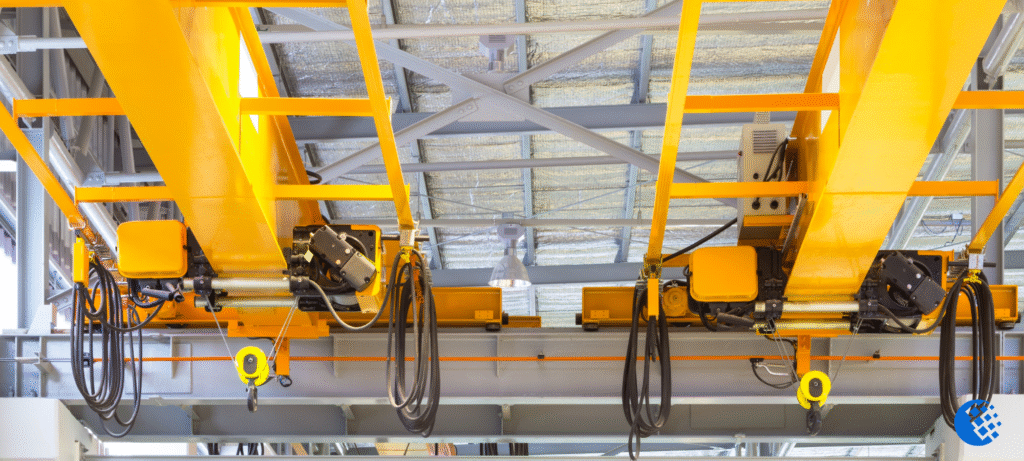
Overhead cranes are used every day in warehouses, factories, construction sites, and large industrial facilities. They lift heavy loads that humans simply cannot move on their own. While these machines are powerful and efficient, they can also be dangerous if handled incorrectly. That is where overhead crane certification becomes important.
Many people assume that learning to operate a crane is just about pulling levers or pressing buttons. In reality, it requires knowledge, judgment, and responsibility. Overhead crane certification exists to make sure operators understand how the equipment works and how to use it safely.
This guide explains what overhead crane certification is, who needs it, how the process works, and why it matters for both workers and employers.
What Is Overhead Crane Certification
Overhead crane certification is a formal process that verifies an operator has the knowledge and skills needed to safely operate an overhead crane. It usually involves training, evaluation, and documentation.
Certification focuses on
Understanding crane components
Knowing load limits
Following safety procedures
Operating the crane correctly
The goal is not just to meet a requirement but to prevent accidents and injuries.
Why Overhead Crane Certification Is Important
Overhead cranes handle extremely heavy loads. A single mistake can cause serious injury, damage equipment, or shut down operations.
Certification helps by
Reducing workplace accidents
Ensuring operators understand safety rules
Protecting employers from liability
Creating consistent operating standards
Certified operators are more confident and more aware of potential hazards.
Who Needs Overhead Crane Certification
Anyone who operates an overhead crane should be trained and evaluated. This includes
Full-time crane operators
Maintenance staff who occasionally use cranes
Temporary or contract workers
Even experienced workers benefit from certification because it refreshes knowledge and updates them on current safety standards.
Types of Overhead Cranes Covered
Overhead crane certification often applies to different crane types.
Common examples include
Bridge cranes
Gantry cranes
Jib cranes
Monorail systems
Each type has its own operating characteristics, and training usually covers the specific equipment used at the workplace.
What Certification Training Covers
Training programs focus on both theory and practical operation.
Typical topics include
Crane controls and movements
Load charts and weight limits
Rigging basics
Inspection procedures
Emergency response
Operators learn how to identify unsafe conditions before they turn into problems.
Understanding Load Capacity and Limits
One of the most important parts of overhead crane training is understanding load capacity. Overloading a crane can cause mechanical failure or structural damage.
Certification teaches operators how to
Read load charts
Estimate load weight
Balance loads properly
Avoid shock loading
This knowledge helps prevent accidents that often happen due to guesswork or pressure to move loads quickly.
Safety Rules and Regulations
Workplace safety agencies require employers to provide safe working conditions. While regulations may vary by region, most guidelines emphasize proper training and evaluation.
Certification helps ensure
Compliance with safety standards
Proper documentation
Clear operating procedures
Employers who invest in certified operators often see fewer incidents and less downtime.
The Certification Process
The certification process usually follows a clear structure.
Step one is training, where operators learn theory and safety principles.
Step two is hands-on practice with actual equipment.
Step three is evaluation, where the operator demonstrates skill and knowledge.
Once completed, documentation is provided to show the operator is qualified.
How Long Certification Lasts
Certification does not always last forever. Many programs require renewal after a certain period or when workplace conditions change.
Recertification may be needed when
New crane types are introduced
An operator has been away from the job for a long time
Safety violations occur
Regular evaluation helps keep skills sharp.
Common Mistakes Made Without Certification
Workplaces that skip certification often face avoidable problems.
Common issues include
Improper load handling
Poor communication between operators and ground staff
Ignoring inspection routines
Unsafe lifting techniques
Certification helps correct these habits before they cause harm.
Benefits for Workers
For operators, certification is more than a requirement.
It can
Improve job confidence
Increase employability
Show professionalism
Open opportunities for advancement
Certified workers are often trusted with greater responsibility.
Benefits for Employers
Employers also gain clear advantages.
Certification helps
Reduce accidents and injuries
Lower insurance costs
Improve productivity
Demonstrate commitment to safety
A well-trained team works more efficiently and with fewer disruptions.
Inspections and Maintenance Awareness
Certified operators are trained to perform basic inspections before using a crane.
They learn to check
Hooks and cables
Controls and brakes
Warning signals
Structural components
While operators are not mechanics, early detection of issues can prevent major failures.
Learning From Other Certification Systems
Many industries rely on certification to ensure safety and accuracy. In transportation and logistics, systems like Truck Scale Certification exist to ensure measurements are reliable and operations remain fair and safe.
Overhead crane certification follows the same principle. Clear standards protect people and equipment.
Training Environment Matters
Good training programs are structured but practical. Operators should feel comfortable asking questions and practicing skills under supervision.
Effective programs focus on
Real workplace scenarios
Hands-on learning
Clear communication
Safety-first thinking
Rushed training often leads to poor outcomes.
What Certification Does Not Replace
Certification does not replace common sense or ongoing supervision. Operators must still follow site-specific rules and communicate with coworkers.
Safety depends on
Teamwork
Clear signals
Proper planning
Certification is a foundation, not a guarantee.
Choosing the Right Certification Program
When selecting a program, look for one that
Covers your specific crane type
Includes hands-on evaluation
Provides clear documentation
Meets safety guidelines
Avoid programs that only offer quick online tests without practical assessment.
Final Thoughts
Overhead crane certification plays a critical role in modern workplaces. It protects workers, equipment, and operations by ensuring that only trained individuals operate powerful machinery.
When operators understand their equipment and respect safety procedures, accidents become less likely and productivity improves. Certification is not just about passing a test. It is about building a culture where safety and responsibility come first.
For any workplace that relies on overhead cranes, proper certification is not optional. It is a smart investment in people, safety, and long-term success.