
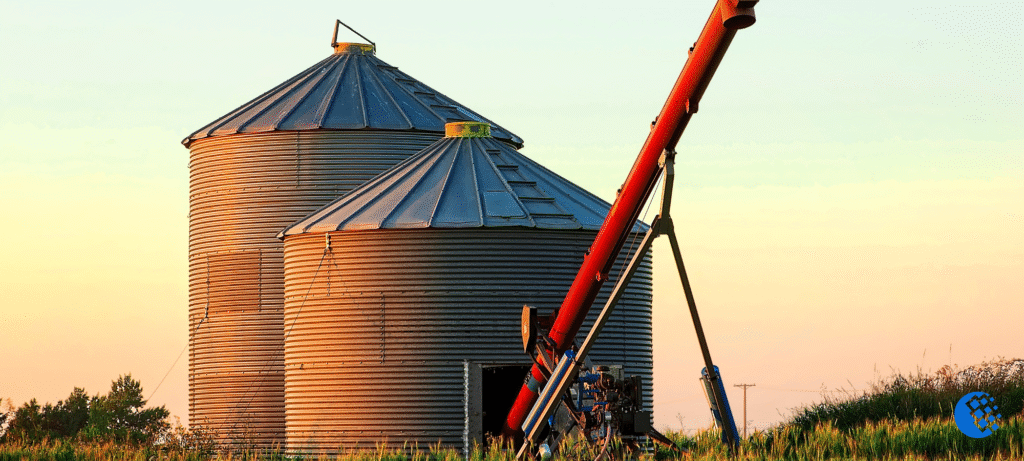
Moving and storing grain is a routine part of agricultural operations, but it carries serious risks that are often underestimated. Each year, preventable injuries and fatalities occur due to entanglement, falls, engulfment, and equipment misuse. Because grain handling tasks are often repetitive and seasonal, it’s easy for complacency to creep in — especially during busy harvest periods.
Prioritizing safety isn’t just about following rules. It’s about protecting lives, maintaining productivity, and ensuring that everyone goes home safely at the end of the day. This article outlines key safety considerations when moving and storing grain, offering practical guidance for farmers, operators, and workers alike.
Understanding the Hidden Dangers of Grain Handling
Grain behaves differently than most materials. While it may look solid, flowing grain can act like quicksand, pulling a person under in seconds. In addition to engulfment hazards, grain handling environments introduce mechanical, respiratory, and structural risks.
Common hazards include:
- Flowing grain that can trap or suffocate workers
- Moving machinery with exposed rotating parts
- Dust explosions in enclosed spaces
- Falls from ladders, bins, or catwalks
- Toxic gases from spoiled grain
Recognizing these risks is the first step toward preventing accidents.
Safe Practices When Moving Grain
Grain movement involves conveyors, elevators, and augers — all of which can cause severe injury if not handled properly. Entanglement is one of the most dangerous risks, often occurring when guards are removed or safety procedures are ignored.
To reduce risk:
- Never step over or reach into operating equipment
- Ensure all guards and shields are in place before use
- Shut down and lock out equipment before clearing jams
- Wear fitted clothing to avoid entanglement
- Keep hands, feet, and tools away from moving parts
Equipment such as grain bin augers must be treated with caution at all times, even during brief adjustments or cleanouts. A moment of inattention can lead to life-altering injuries.
Preventing Grain Engulfment
Grain engulfment is one of the leading causes of fatalities in grain storage environments. It often happens when workers enter bins while grain is flowing or when crusted grain collapses beneath them.
Key prevention measures include:
- Never entering a bin while grain is unloading
- Using lockout/tagout procedures on unloading equipment
- Testing grain surfaces with a pole before stepping onto them
- Wearing a safety harness and lifeline when bin entry is unavoidable
- Having a trained observer present during bin entry
No amount of experience makes a worker immune to engulfment risks. Strict adherence to entry protocols saves lives.
Grain Bin Entry: Treat It as a Last Resort
Entering a grain bin should always be the last option. Many tasks can be performed from outside the bin using tools or equipment designed to break up clumps or clear blockages.
When bin entry is unavoidable:
- Follow a written bin entry procedure
- Ventilate the bin before entry
- Monitor oxygen levels and air quality
- Use appropriate personal protective equipment (PPE)
- Maintain constant communication with spotters
Treat every bin entry as a confined space operation, even if it’s something you’ve done many times before.
Managing Dust and Air Quality Risks
Grain dust is more than a nuisance — it’s a serious health and safety hazard. Inhalation can cause respiratory issues, and airborne dust in enclosed spaces can ignite, leading to explosions.
To improve air safety:
- Use dust control and ventilation systems
- Clean up grain spills promptly
- Avoid using compressed air to blow dust into the air
- Wear respiratory protection when needed
- Keep ignition sources away from dusty environments
Maintaining clean, well-ventilated storage and handling areas significantly reduces the risk of dust-related incidents.
Preventing Falls and Structural Accidents
Grain bins, silos, and storage facilities often involve working at heights. Slips and falls from ladders, roofs, or catwalks can result in severe injuries.
Fall prevention strategies include:
- Installing and maintaining guardrails and safety cages
- Using harnesses and fall arrest systems
- Keeping ladders and walkways clean and dry
- Avoiding work at heights during bad weather
- Ensuring adequate lighting in all work areas
Structural inspections are equally important. Corrosion, damaged ladders, or weakened floors should be addressed immediately to prevent collapse or injury.
Equipment Maintenance Is a Safety Issue
Well-maintained equipment isn’t just more efficient — it’s safer. Mechanical failures can lead to unexpected starts, jams, or collapses that put workers at risk.
Routine maintenance should include:
- Inspecting guards, belts, and bearings
- Checking electrical systems for faults
- Ensuring emergency shutoffs function properly
- Replacing worn or damaged components promptly
Maintenance tasks should always be performed with equipment fully shut down and locked out to prevent accidental activation.
Training and Communication Save Lives
Even the best safety equipment is ineffective without proper training. Everyone involved in grain handling should understand the risks and the correct procedures for each task.
Effective safety training includes:
- Regular safety meetings before busy seasons
- Clear signage and written procedures
- Hands-on demonstrations of safe equipment use
- Encouraging workers to speak up about hazards
Open communication creates a culture where safety is prioritized, not rushed or overlooked.
Preparing for Emergencies
Despite best efforts, emergencies can still occur. Being prepared can make the difference between a close call and a tragedy.
Emergency readiness involves:
- Having rescue equipment readily available
- Training workers on emergency response procedures
- Posting emergency contact information clearly
- Practicing rescue drills periodically
Quick, informed action during an emergency can significantly improve outcomes.
Final Thoughts
Moving and storing grain is essential to agricultural operations, but it should never come at the cost of human safety. The risks involved are real, serious, and often underestimated — yet they are largely preventable with proper planning, training, and respect for established safety practices.
By treating grain handling hazards with the seriousness they deserve, using equipment responsibly, and fostering a strong safety culture, farms and facilities can protect their most valuable asset: the people who keep operations running. Safety isn’t an obstacle to productivity — it’s the foundation that makes sustainable, successful agriculture possible.