
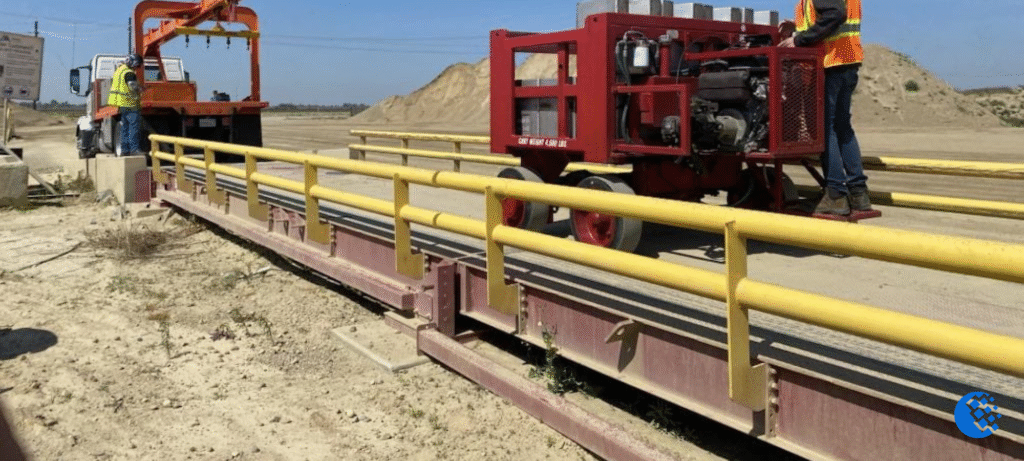
Truck scales are one of those things most people never think about unless they work in logistics, construction, agriculture, or transportation. But for businesses that rely on accurate weight measurements, truck scale certification is not optional. It is a serious requirement that affects safety, legality, and trust.
This article explains truck scale certification in a clear and practical way. We will look at what it means, who needs it, how the process works, and what happens if it is ignored. If you operate or manage truck scales, or are planning to install one, this guide will help you understand the responsibility that comes with it.
What Is Truck Scale Certification
Truck scale certification is the official verification that a truck scale measures weight accurately according to legal standards. It is usually performed by a certified inspector or government-approved authority.
The goal is simple. When a truck drives onto a scale, the weight shown must be correct within an allowed margin of error. This matters because weight affects safety, pricing, taxation, and legal compliance.
Certified scales are tested using known weights and inspection procedures. Once approved, the scale receives a certification seal or document that proves it meets regulatory requirements.
Why Truck Scale Certification Is Important
Accurate weight measurement is not just about fairness. It affects real-world outcomes.
Overloaded trucks can damage roads and bridges
Incorrect weights can lead to fines and penalties
Customers may lose trust if billing is inaccurate
Safety risks increase when limits are ignored
Certification ensures that everyone involved is working from reliable data. Without it, businesses risk legal trouble and operational problems.
Who Needs Truck Scale Certification
Truck scale certification is required in many industries.
Common examples include
Logistics and freight companies
Agricultural facilities
Mining and construction sites
Waste management operations
Manufacturing and distribution centers
Any business that uses truck scales for commercial transactions usually needs certified equipment. Even private facilities may be required to certify scales depending on local regulations.
How the Certification Process Works
Initial Inspection
The process begins with an inspection by a licensed scale technician or regulatory authority. The scale is checked for physical condition, installation accuracy, and performance.
Testing with Known Weights
Certified test weights are placed on the scale to verify accuracy. The inspector checks whether the readings fall within the allowed tolerance range.
Adjustments and Calibration
If the scale is slightly off, adjustments are made. Calibration ensures the scale measures consistently across different weight ranges.
Approval and Documentation
Once the scale passes inspection, certification documents or seals are issued. These must be kept on record and often displayed on or near the scale.
How Often Certification Is Required
Certification is not a one-time event. Most regions require periodic re-certification, often annually or biannually.
Additional certification may be required if
The scale is moved
Major repairs are performed
Accuracy issues are reported
Skipping re-certification can invalidate previous approvals.
Legal and Regulatory Considerations
Truck scale certification is governed by weights and measures laws. These laws vary by country and state, but the principle is the same everywhere. Commercial weighing must be accurate and verifiable.
In the United States, state departments of agriculture or weights and measures offices usually oversee certification. Businesses should always check local requirements to avoid violations.
A trusted external reference for understanding weighing standards and regulations is the National Institute of Standards and Technology, which provides guidance on measurement accuracy and compliance.
Common Problems Found During Certification
Inspectors often find issues that could have been avoided with proper maintenance.
Typical problems include
Uneven scale foundations
Worn load cells
Debris buildup under the scale
Electrical interference
Poor calibration history
Regular inspections and maintenance reduce the risk of failed certification.
Cost of Truck Scale Certification
The cost depends on scale size, location, and inspection requirements. While certification does cost money, it is far less expensive than fines, downtime, or legal disputes caused by inaccurate weights.
Some businesses try to delay certification to save costs, but this often backfires. Uncertified scales can shut down operations if caught during audits.
Importance of Accurate Records
Keeping proper records is part of compliance. Certification documents, calibration logs, and maintenance records should be organized and accessible.
Understanding technical documentation is important here. Many compliance issues happen simply because records are misunderstood or misread. Developing the habit of carefully analyzing terms and details, similar to the practice discussed in Word Study, can prevent costly errors.
Training Staff to Use Certified Scales
Certification alone is not enough if staff misuse the scale. Operators should be trained to
Position trucks correctly
Avoid sudden movements during weighing
Recognize warning signs of scale issues
Report unusual readings immediately
Human error can compromise even a certified system.
Technology and Modern Truck Scales
Modern truck scales often include digital displays, software integration, and remote monitoring. These features improve efficiency but also require careful setup.
Digital systems must still meet certification standards. Software updates or hardware changes may trigger re-certification requirements.
What Happens If a Scale Is Not Certified
Using an uncertified scale can result in
Fines and penalties
Invalid transactions
Legal disputes with customers
Operational shutdowns
In some cases, authorities can suspend business operations until compliance is restored.
Certification and Business Reputation
Accurate weighing builds trust. Customers rely on certified measurements for fair pricing. Regulators rely on them for safety. Certification signals professionalism and responsibility.
Just like attractions at major destinations rely on safety checks to protect visitors, businesses rely on certified systems to protect operations. Whether it is ride safety at places like Hollywood Rip Ride Rockit at Universal Studios or weight accuracy in transportation, inspections exist to prevent harm.
Preparing for Certification Inspections
Preparation makes inspections smoother.
Clean the scale area
Review maintenance logs
Ensure calibration history is available
Train staff on inspection procedures
Being proactive reduces stress and delays.
Final Thoughts
Truck scale certification is not just a regulatory checkbox. It is a foundation for safe, fair, and reliable operations. Accurate weights protect infrastructure, support legal compliance, and maintain customer trust.
Businesses that treat certification seriously avoid unnecessary risks and operate with confidence. With proper maintenance, training, and documentation, staying compliant becomes part of routine operations rather than a last-minute problem.