
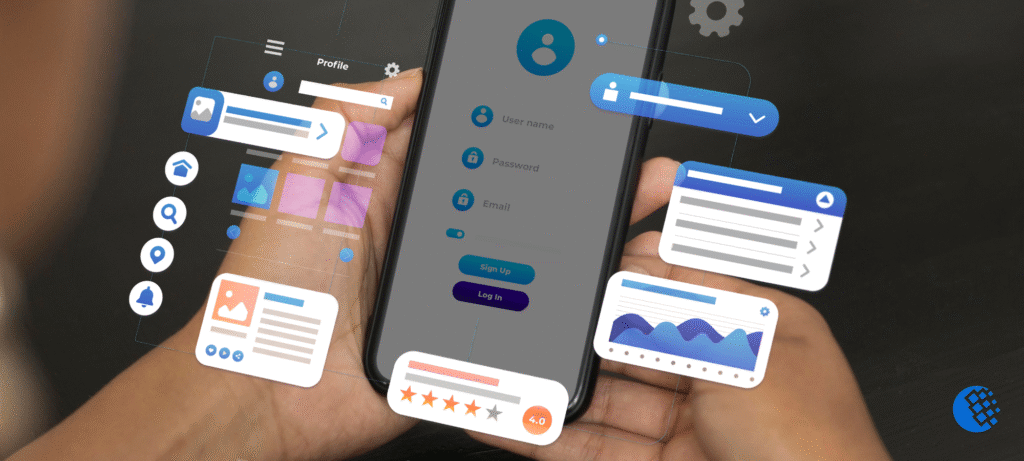
Technology changes quickly, and companies relying on outdated applications often face challenges in keeping operations smooth and efficient. The process of application modernization consists of more than just doing software updates; this process involves redesigning systems that are adaptable, flexible, scalable, and capable of supporting the business now and in the future as the business evolves. A modernized application will help organizations run and operate faster and with fewer mistakes, and to adapt more easily to changes, without the drawbacks of legacy technology.
Application modernization may include, for example, migrating systems to the cloud, re-engineering existing applications using microservices, and/or adopting modern development frameworks. Ultimately, the goal of application modernization is to allow an application to be more responsive, easier to maintain, or even support new strategies and initiatives. Application modernization, in the end, allows technology to be used as a catalyst for growth instead of a limiting factor.
The Role of Modernization in Digital Transformation
Digital transformation is not simply the introduction of technology. Digital transformation means the enhancement of customer experience, the simplification of operational processes, and the creation of new growth opportunities. Applications deliver on these objectives. Typically, legacy systems cause a drag, constrain integration with new applications, and create a lag in the decision-making process. Modernized applications, delivered through professional application modernization services, alleviate constraints and allow organizations to take full advantage of the cloud, insights-driven analytics, and mobile-first services.
Consider a retail company struggling with slow inventory tracking. Modernizing these applications provides real-time updates, automates supply chain processes, and improves customer service. In healthcare, modernization streamlines patient record management, telehealth delivery, and internal workflows.. In banking, it enables faster transactions and better fraud detection. Modern applications give organizations the agility to respond to evolving market demands and changing customer expectations.
Benefits of Modernizing Applications
Application modernization brings benefits across both technical and business dimensions.
Technical benefits include:
- Improved system performance and reduced downtime
- Simplified maintenance and upgrades
- Cloud-based scalability and cost reduction
- Enhanced security through updated protocols and standards
Business benefits include:
- Faster and better-informed decision-making
- Real-time insights from data processing
- Automation that frees teams to focus on strategic priorities
- Improved customer satisfaction and service personalization
Organizations across industries have seen tangible results. Insurance providers can automate claims processing and detect anomalies faster. Retailers gain accurate, real-time inventory tracking. Banks can offer smoother, faster online experiences. Modernized applications help companies work smarter while delivering better outcomes for customers and stakeholders.
How to Get Started with Application Modernization
Embarking on a modernization journey requires careful planning. Here’s a structured approach:
- Assess existing systems: Identify critical applications, technical bottlenecks, and performance issues.
- Define objectives: Set clear goals such as improving scalability, reducing costs, enhancing security, or enabling faster feature deployment.
- Choose the right approach: Options include cloud migration, microservices, containerization, or refactoring legacy code. Incremental updates are often the safest way to reduce risks.
- Maintain communication: Ensure IT teams, business leaders, and end-users are aligned on objectives, timelines, and expected outcomes.
- Monitor and adjust: Track performance, gather feedback, and make adjustments to ensure measurable results and alignment with business goals.
This structured approach ensures modernization delivers both operational efficiency and tangible business value.
The Importance of Hiring the Right Software Developers
Modernization projects require a wide range of technical capabilities, and hiring skilled software developers plays a crucial role in achieving success. These developers bring expertise in modern frameworks, cloud technologies, and agile practices, enabling teams to build scalable, efficient, and future-ready solutions.
- Assess legacy systems effectively
- Design and implement scalable modernization strategies
- Prevent common challenges such as downtime or integration issues
The right developers bring more than technical expertise. They understand business processes and user experience, ensuring modernized applications enhance workflows and deliver real value. Companies that invest in talented software developers often achieve faster modernization, smoother transitions, and long-term benefits. Experienced developers can also recommend innovative solutions to ensure technology continues to evolve alongside business needs.
Conclusion
Application modernization is essential for digital transformation. It provides organizations with the flexibility, efficiency, and security needed to operate effectively, deliver better customer experiences, and respond quickly to new opportunities. Modernized applications reduce operational challenges, enable faster decision-making, and strengthen overall business performance.
Hiring the right software developers from Jellyfish Technologies amplifies these benefits, ensuring modernization efforts are executed efficiently, sustainably, and in alignment with business goals. By embracing modernization, companies can transform legacy systems into valuable assets that support growth, innovation, and long-term success. Modern applications create a foundation for continuous improvement, making technology a true enabler of business growth.