
Many people keep making the same hopeful vow every year (you know that classic resolution: this time I will finally read more), and yet it’s implied that you never quite manage to break the habit. Even though you genuinely want to develop a real reading habit, because you understand it keeps your mind active and mentally sharp, you’re faced with the practical problem of not knowing where to find the time. And let’s be honest here, committing to a 500-page book when you’ve got real-life deadlines looming feels like a massive burden.
This is where book summaries come in. They are the low-friction entry point you need to prove to your brain that reading is actually worth the time investment. We recommend the microlearning approach because it addresses the single biggest killer of any new habit: resistance. You don’t need to commit to a multi-day project; you need 10 or 15 minutes a day. For example, with the Headway app, we found plenty of tools built specifically around this idea. You’re basically getting the core knowledge of a massive book in minutes — from top bestsellers and nonfiction titles that break everything down into the main highlights you can apply the same day
Overcoming the Reading Commitment Barrier
So, how does it work? Microlearning is an educational method that delivers knowledge in short units. Typically, it is 5 to 15 minutes of learning pieces that teach one specific skill or idea. With microlearning apps, every task or assignment could feel like a story-driven mission. Also, its adoption continues to rise as mobile use increases, with people spending over 5 hours per day on their devices in major markets.
So when you look at a thick new book, your brain immediately flags it as a huge time drain. That feeling of commitment creates instant friction and often stops the reading habit before it even begins. With summaries and a microlearning approach, you do not need to spend two hours reading the first chapter only to realize the book isn’t what you needed.
How Summaries Remove the Pressure From Reading
You get a way to de-risk the process, basically turning a significant investment into an experimental purchase. When you use summaries, you get:
- Instant clarity without committing to the complete text, which keeps your motivation high
- A learning format that doesn’t feel like a burnout, or a huge time or energy commitment
- A way to stop feeling guilty about quitting a book, so the habit loop stays positive instead of punishing
- The essence of most nonfiction, since many books actually offer just a few core ideas worth knowing
Why Summaries Work So Well For New Readers
Book summaries are effective because they remove the most significant barriers to reading: time, intimidation, and cognitive overload. When you only have to process a few pages of essential ideas, it’s easier to stay focused and remember what you read. Most summaries highlight:
- Key ideas, lessons, and concepts
- Main frameworks without the extra pages
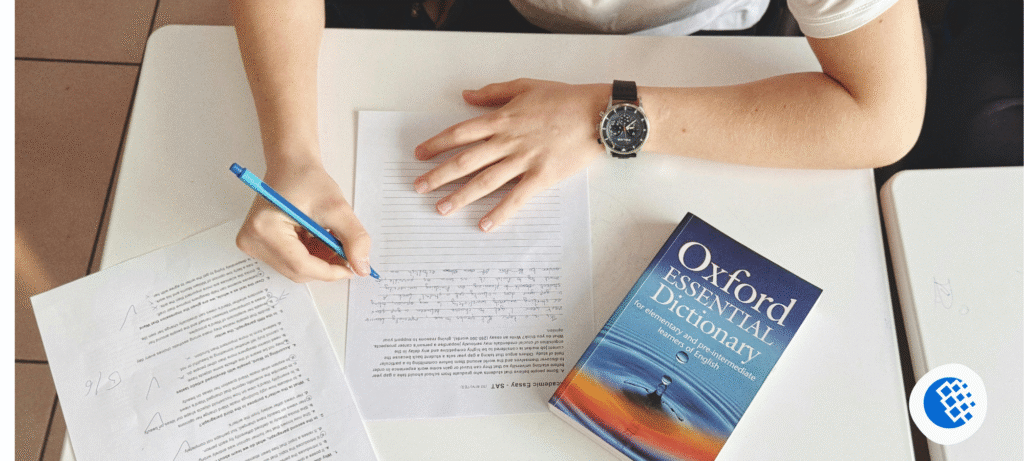
For students, this approach feels familiar. You already use outlines and condensed guides when prepping for exams. Summaries work the same way: they streamline the material so you can grasp the message quickly. Once the pressure disappears, forming a reading habit becomes much easier.