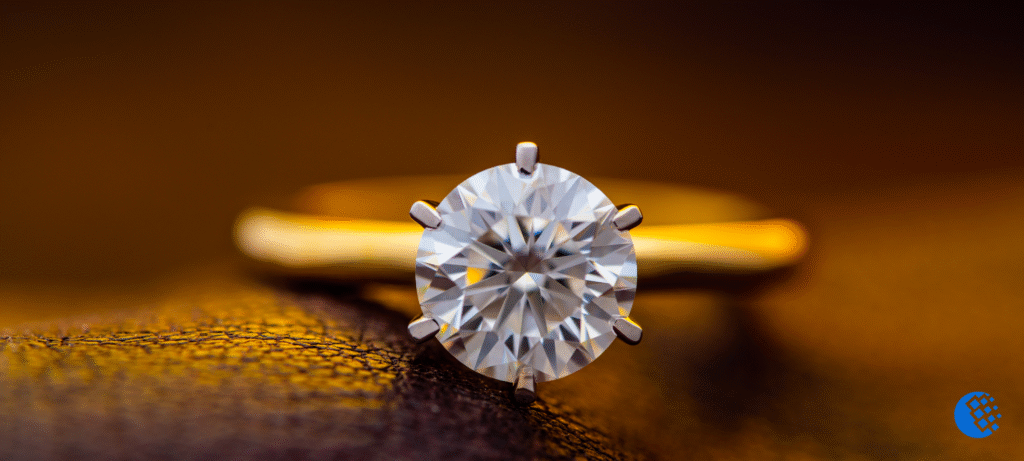
Shopping for a diamond ring today means choosing not only the design, cut, and setting — but also deciding between lab-grown and natural diamonds. Both options offer beauty, brilliance, and long-lasting durability, but there are key differences that can influence your decision. This guide explains how each type is formed, how they compare, and which one might be the right choice for your ring.
What Are Natural Diamonds?
Natural diamonds are formed over billions of years deep within the earth under extreme heat and pressure. They are then brought nearer to the surface through volcanic activity and mined from the earth.
Key Characteristics
- Naturally formed over millions–billions of years
- Rare, which contributes to higher value
- Each stone has a unique geological identity
- Often comes with GIA or IGI certification
Natural diamonds carry emotional and symbolic appeal because of their age and formation process — many people love the idea of owning something so ancient and rare.
Shop Diamond Ring from Prime Style!
What Are Lab-Grown Diamonds?
Lab-grown diamonds are created inside highly controlled laboratories using advanced technology. They have the same chemical composition, crystal structure, and brilliance as natural diamonds.
How They Are Made
There are two main methods:
- CVD (Chemical Vapor Deposition)
- HPHT (High Pressure High Temperature)
Both methods replicate the natural diamond-growing environment.
Key Characteristics
- Identical to natural diamonds in appearance and physical properties
- Often 40–70% cheaper than mined diamonds
- More environmentally controlled and sustainable
- Certified by the same labs (GIA, IGI)
Lab-grown diamonds are real diamonds — not imitation stones like cubic zirconia or moissanite.
Lab-Grown vs. Natural: Key Differences to Know
1. Appearance & Quality
To the naked eye, lab-grown and natural diamonds look the same. Even experts often need magnification tools to spot tiny growth patterns.
Visual Comparison:
- Cut, color, clarity, and sparkle are identical
- Both can achieve excellent grades on the 4Cs
- Both can be flawless or contain small inclusions
Verdict: Appearance is a tie.
2. Price
This is one of the biggest differences.
- Lab-grown diamonds cost significantly less
- Natural diamonds carry a premium because of rarity, mining costs, and market demand
Example:
A 1-carat natural diamond might cost $5,000–$8,000,
while a 1-carat lab-grown diamond might cost $1,000–$2,000 with similar grades.
Verdict: Lab-grown wins on affordability.
3. Environmental & Ethical Factors
Mining natural diamonds requires land excavation, heavy machinery, and energy. While many reputable brands follow ethical sourcing guidelines, environmental impact still exists.
Lab-grown diamonds:
- Use less water and energy
- Require no mining
- Provide a controlled, eco-friendly environment
Verdict: Lab-grown is more sustainable.
4. Value & Long-Term Investment
Natural diamonds tend to hold their value better over time because of global demand and limited supply.
Lab-grown diamonds:
- Generally depreciate faster
- Market prices continue to drop as production increases
If investment matters to you, natural diamonds are usually the better long-term choice.
Verdict: Natural diamonds win for resale value.
5. Symbolism & Emotional Meaning
Some buyers feel a deeper emotional connection to natural diamonds because of their history and rarity.
Others prefer lab-grown diamonds because:
- They align with sustainability values
- They allow a bigger stone within budget
- They represent modern innovation
Your personal values play a major role here.
Which Diamond Should You Choose?
Here’s a quick guide:
Choose Lab-Grown Diamonds If You Want:
- A bigger, more brilliant diamond for the same budget
- A modern, ethical, and eco-friendly option
- High-quality stones with excellent 4C ratings
- A ring that looks luxurious without high cost
Choose Natural Diamonds If You Want:
- A stone that holds long-term value
- A piece with earth-grown rarity and history
- A traditional, timeless engagement choice
- A diamond that may appreciate in value over time
Final Thoughts
Both lab-grown and natural diamonds are stunning choices — each with unique benefits. Lab-grown diamonds offer affordability and sustainability, while natural diamonds offer tradition, rarity, and long-term value. The best ring for you depends on your budget, values, and what matters most emotionally.
Whether you choose a lab-grown or natural diamond, the key is to prioritize the 4Cs, choose a certified stone, and buy from a trusted jeweler.