
I still remember the morning I arrived at the National Student Conclave. I was tired from travel and honestly not very excited. In my mind, it was just another formal academic event. A few speeches, some polite applause, and then back to regular life. I did not expect anything meaningful to come out of it, and I certainly did not expect it to change how I saw education, learning, or myself.
At that time, my life as a student felt predictable. I attended classes, completed assignments, prepared for exams, and waited for results. I was doing what was expected of me, but something always felt missing. I could not explain it clearly back then. I only knew that learning felt more like a duty than a discovery.
My Life Before the Conclave
Before attending the conclave, I believed success followed a straight line. Study hard, get good grades, earn a degree, and everything would fall into place. That belief came from family expectations, social pressure, and the education system I had grown up in.
I rarely questioned what I was learning or why it mattered. Most of my effort went into remembering information long enough to pass exams. Once the exams were over, that knowledge slowly disappeared. Deep down, I knew this approach was not preparing me for real life, but I did not know any alternative.
I also struggled with confidence. I compared myself constantly with others and felt behind even when I was doing well. Learning had become stressful rather than inspiring.
First Impressions That Felt Unfamiliar
The first few hours at the conclave felt different in a way I could not immediately describe. The environment was less formal than I expected. Students were talking openly, not trying to sound perfect. Some speakers shared personal failures instead of polished success stories.
That honesty caught my attention. I was used to seeing confident faces hiding confusion. Here, confusion was spoken about openly. It made the space feel real. For the first time, I felt that I did not need to pretend I had everything figured out.
When Learning Started to Feel Alive
One of the biggest surprises was how learning happened during the conclave. There were sessions, yes, but they were interactive. People asked questions freely. Discussions went in unexpected directions. Sometimes there was disagreement, and instead of shutting it down, it was explored.
I realized something important in those moments. Learning becomes powerful when it involves participation. When students are active instead of silent, knowledge feels personal. It stays with you.
This experience later helped me understand the value of educational approaches that focus on engagement, real-world thinking, and practical understanding rather than passive memorization.
A Question That Stopped Me Completely
During one session, we were asked to reflect on a simple question: “What do you want from your education?”
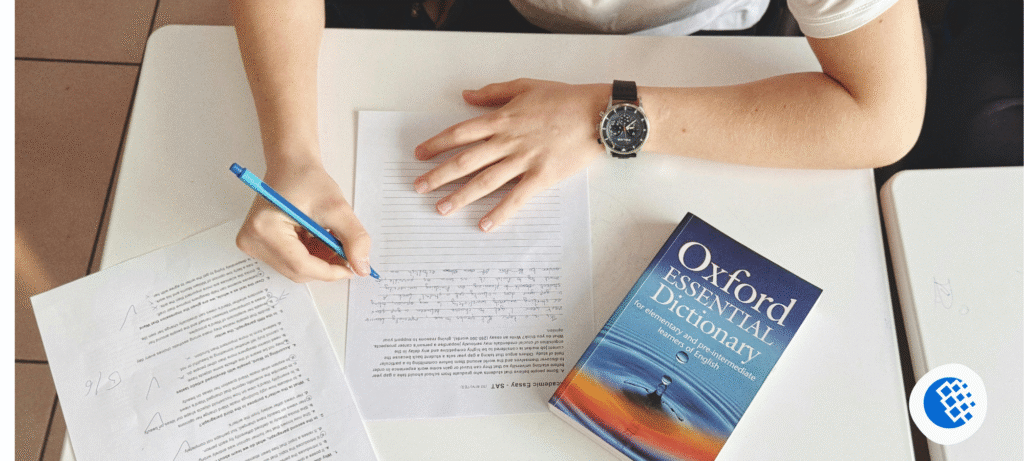
I stared at the paper for a long time.
I could not answer immediately. My goals were unclear because they were not truly mine. They were shaped by fear of failure and pressure to keep up. That moment forced me to pause and confront something uncomfortable. I had been moving forward without intention.
That realization was not dramatic, but it was honest. And honesty, I learned, is where change begins.
Conversations That Changed My Perspective
Some of the most meaningful moments happened outside official sessions. Late-night conversations, casual discussions during breaks, and quiet walks with other students became powerful learning experiences.
I listened to students who were exploring different paths. Some were building skills alongside their studies. Others were learning through projects, volunteering, or independent work. Many had failed before finding clarity.
What stood out was their mindset. They were not waiting for education to give them direction. They were actively shaping their learning journey. That idea stayed with me.
Seeing Education Beyond Classrooms
The conclave slowly reshaped how I viewed education itself. I realized that learning does not belong only in classrooms or textbooks. It exists in experiences, discussions, mistakes, and reflection.
Knowledge felt more meaningful when connected to real situations. When learning involved thinking, doing, and questioning, it stopped feeling heavy. It started feeling useful.
This shift helped me appreciate learning systems that prioritize skills, adaptability, and active involvement over rigid routines.
The Confidence That Came Quietly
I did not leave the conclave feeling suddenly motivated or energized in a dramatic way. The change was quieter and deeper. I felt more grounded.
I became less afraid of not knowing everything. I started asking more questions and accepting that learning takes time. That confidence did not come from answers. It came from clarity and self-awareness.
For the first time, I felt responsible for my learning in a positive way.
Returning Home as a Different Person
When the conclave ended, my surroundings were the same, but my mindset had shifted. I started making small changes. I paid attention to how I learned, not just what I learned.
I focused more on understanding concepts deeply instead of rushing through them. I looked for opportunities to apply knowledge rather than just store it. Slowly, learning became intentional instead of automatic.
How My Relationship With Learning Changed
Before the conclave, learning felt like pressure. After it, learning felt like a choice.
I stopped chasing perfection and started valuing progress. I accepted mistakes as part of growth. This mindset made learning less stressful and more meaningful.
It also helped me recognize the importance of educational models that encourage independence, curiosity, and real-world thinking.
Challenges Along the Way
The change was not instant or easy. There were moments when I slipped back into old habits. Deadlines, exams, and expectations did not disappear.
However, the difference was awareness. I could recognize when learning became mechanical again and adjust my approach. That awareness became one of the most valuable lessons from the conclave.
Why That Experience Still Matters
Even today, I see the National Student Conclave as a turning point because it changed how I relate to education. It taught me that learning is not something that happens to you. It is something you actively participate in.
That idea continues to guide my choices. It influences how I study, how I approach challenges, and how I think about personal growth.
The Bigger Lesson I Took With Me
The conclave did not give me a clear roadmap for life. What it gave me was something more valuable. Perspective.
It showed me that education is not about fitting into a system but about building understanding, skills, and confidence over time. When learning becomes active and personal, it stops being a burden and starts becoming a tool.
Conclusion
The National Student Conclave became a turning point in my life not because it changed my future overnight, but because it changed how I saw learning. It helped me move from passive participation to active involvement.
That shift continues to shape my journey. Sometimes, one experience is enough to change the way you move forward. For me, that experience was the National Student Conclave.