
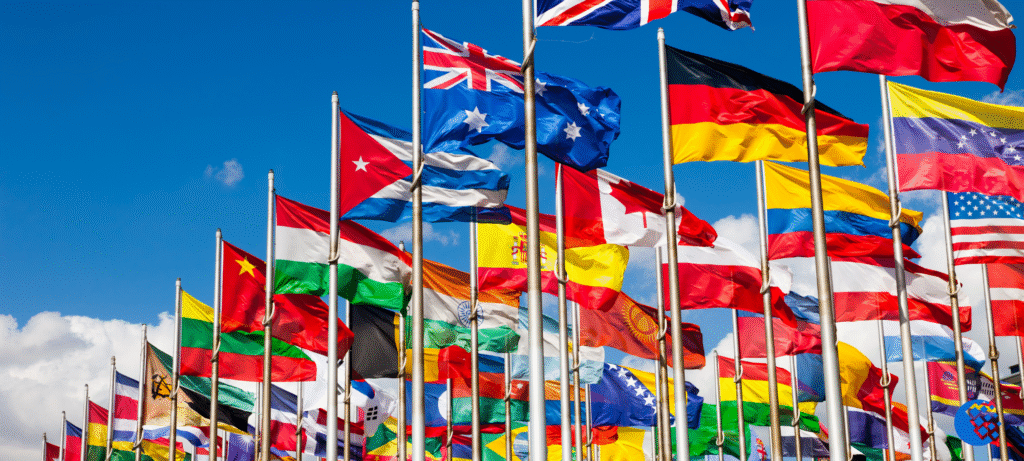
Flags are everywhere. They hang outside government buildings, wave during national celebrations, appear in classrooms, and even show up in sports stadiums. Yet most people rarely stop to think about why flags look the way they do or what their colors and symbols actually mean. The study of flags has its own name, and it is far more detailed than many expect.
The study of flags is called vexillology. It combines history, design, culture, politics, and symbolism into one fascinating field. Vexillology helps us understand how societies represent identity, values, and power using simple pieces of cloth.
This article takes a deep look at vexillology, its origins, the meaning behind flag designs, and why flags still matter in the modern world.
What Is Vexillology
Vexillology is the study of flags. The word comes from the Latin term vexillum, which referred to a type of military flag used by ancient Roman armies. Vexillologists study flags from all contexts, including national flags, regional flags, military banners, organizational flags, and even fictional flags.
The field focuses on
Flag design and structure
Historical development of flags
Symbolism and color meanings
Cultural and political influence
Vexillology is not just academic. It influences how new flags are designed and how old ones are preserved.
A Brief History of Flags
Flags did not always exist in their modern form. Early societies used symbols, standards, and banners to identify groups, especially in warfare.
Ancient civilizations such as
Rome
China
Egypt
used standards to organize troops and signal commands. These early banners were practical rather than decorative.
Over time, flags evolved beyond the battlefield. During the Middle Ages, kingdoms and noble families adopted heraldic banners. These designs helped identify allies and rulers during battles and ceremonies.
The rise of nation-states in the 18th and 19th centuries led to the national flags we recognize today. Flags became symbols of independence, unity, and sovereignty.
Why Flags Matter
Flags are powerful symbols. They represent collective identity and shared history.
A flag can represent
A nation’s struggle for freedom
Cultural values and beliefs
Political movements
Unity during crisis
This emotional power is why flags are treated with respect and sometimes strong rules govern how they are displayed.
Common Elements in Flag Design
Most flags share common design elements, even across different cultures.
Colors
Colors are one of the most important aspects of flag design. While meanings vary by culture, some general associations exist.
Red often represents courage or sacrifice
Blue can symbolize peace or loyalty
Green is commonly linked to land or nature
White often represents purity or unity
Vexillologists study how color choices reflect history and identity.
Symbols
Symbols on flags tell stories. They might represent historical events, religious beliefs, or natural features.
Examples include
Stars representing unity or states
Crescents linked to faith or heritage
Animals symbolizing strength or freedom
Each symbol is chosen carefully, even if the meaning changes over time.
Shapes and Layout
Simple shapes are common in flag design. Stripes, crosses, and circles are easy to recognize from a distance.
Good flag design focuses on clarity. A flag should be identifiable even when it is flying or partially folded.
Rules of Good Flag Design
Vexillologists often refer to basic design principles when evaluating flags.
Good flags are
Simple enough to draw from memory
Meaningful in symbolism
Limited in color use
Free from complex text or seals
Many modern redesigns aim to fix flags that break these principles.
National Flags and Identity
National flags are among the most studied symbols in vexillology. They often emerge during moments of change such as independence or revolution.
A national flag can
Unite diverse populations
Serve as a diplomatic symbol
Represent sovereignty internationally
Changes to national flags are usually controversial because they touch deep emotional and historical roots.
Regional and City Flags
Beyond nations, regions and cities also adopt flags. These flags reflect local history, geography, or cultural pride.
In recent years, many cities have redesigned their flags to better reflect local identity. Vexillologists often participate in these redesign efforts.
Flags in Organizations and Institutions
Flags are not limited to governments. Schools, universities, companies, and organizations also use flags.
Institutions rely on clear symbols to represent authority and values. This need for clarity is similar to how structured documentation works in professional settings. For example, an Academic Advisor Cover Letter must communicate purpose, professionalism, and identity clearly in a limited space.
Flags and formal documents both rely on simplicity and meaning to be effective.
Flags in Military and Safety Contexts
Flags have long played roles in military and industrial environments. Signal flags are still used in maritime navigation and emergency communication.
Clear symbols prevent confusion and accidents. This concept also applies in industrial safety systems. Processes like Overhead Crane Certification exist to ensure that clear standards and symbols are understood before heavy equipment is used.
In both cases, clarity saves lives.
Cultural Differences in Flag Meaning
The meaning of colors and symbols can vary widely across cultures. A color associated with peace in one country might represent mourning in another.
Vexillologists study these cultural differences to avoid misinterpretation, especially in international design projects.
Flags in Sports and Popular Culture
Flags play a major role in sports, especially international competitions. Fans wave flags to show pride and support.
Flags also appear in movies, fashion, and digital media. Even fictional worlds often create detailed flags to add realism and depth.
Flag Etiquette and Respect
Many countries have rules about how flags should be displayed, folded, or retired.
Common etiquette rules include
Never letting a flag touch the ground
Proper lighting if displayed at night
Respectful disposal when worn
These practices reflect the symbolic importance of flags.
Modern Trends in Vexillology
Vexillology continues to evolve. Modern trends include
Minimalist designs
Inclusive symbolism
Public involvement in flag redesign
Social media has also increased interest in flag design, making vexillology more accessible to the public.
Interesting Facts About Flags
Some flags are not rectangular
Some national flags have changed dozens of times
A few flags use only two colors
Certain flags are almost identical but differ slightly in symbols
These details make vexillology a surprisingly rich field of study.
Learning Vexillology
Anyone can study flags. You don’t need formal training to start.
Begin by
Observing flag designs
Reading historical context
Learning basic design principles
Many vexillologists start simply because they are curious.
Why Vexillology Still Matters
In a world full of digital symbols, flags remain powerful. They appear during protests, celebrations, disasters, and moments of unity.
Vexillology helps us understand why simple designs can carry such deep meaning. It connects history, culture, identity, and communication in a way few other symbols can.
Final Thoughts
The study of flags, or vexillology, shows that flags are more than decoration. They are visual stories shaped by history, belief, and design.
By understanding the meaning behind colors, symbols, and layouts, we gain a deeper appreciation for the flags we see every day. Whether flying above a government building or waved by a crowd, flags continue to speak without words, and vexillology helps us listen.