
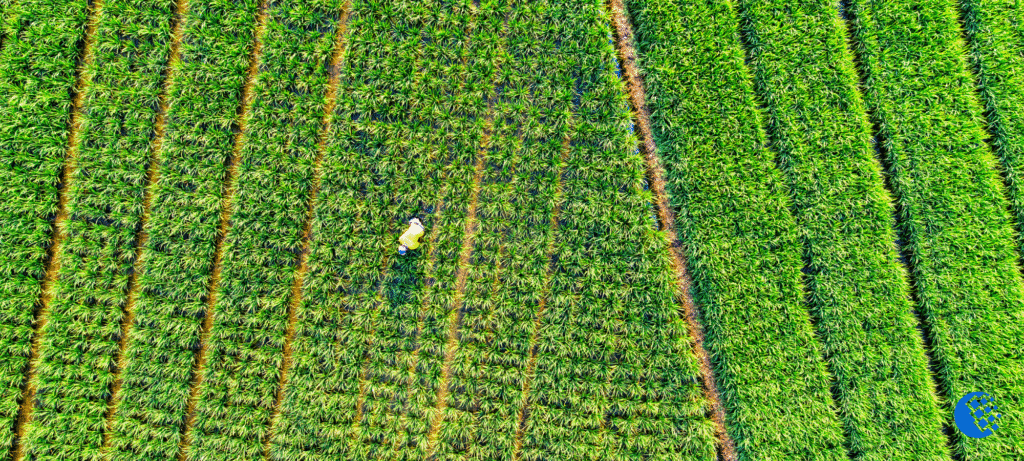
Regenerative agriculture is a comprehensive approach to agriculture that not only restores the health of the soil but also heals the ecosystem and serves the people and the planet. A regenerative farm is not concerned with food production as a conventional farm; it is concerned with the natural functions of the farm by capturing carbon, holding water, and promoting biodiversity with cover crops, less tillage, and rotation. This means that the food harvested in these farms is healthier and free of artificial chemicals.
5 Key Benefits
- Climate Resilience & Carbon Sequestration: Living soils are rich and can remove carbon from the atmosphere and hold it underground, helping stop climate change. The practices will also minimise the use of synthetic fertilizers and thus maintain the health and fertility of the soil over time.
- Healthy Soil and Water: Agricultural methods such as cover crops and less tillage enrich the soil and make it retain water to avoid erosion and nutrient washoffs. When soil is healthy, it better absorbs and screens rainwater, preventing floods and making waterways clean.
- Improved Biodiversity: Regenerative farms preserve natural habitats and, most importantly, restrict the usage of pesticides that may harm the pollinators, wildlife, and plant life.
- Healthier Food, Without Pesticides: Organically produced vegetables are more nutritious with higher vitamins and minerals, and by consuming from such systems, one can lower pesticide exposure by more than 99%.
- Healthier People: The regenerative farms provide beneficial products for people and maintain employment opportunities and food security, including products like farm-to-table meat.
- Richer Soils and a Cooler Climate
Regenerative agriculture is all about healthy soil. Farmers boost soil fertility as well as its organic matter by covering, rotating the crops, and overworking the land. Greenhouse gases are minimized as living soils hold and retain a lot of carbon compared to diseased fields.
This carbon-trapping not only cools down the climate, but it also makes farms resilient against harsh weather, safeguarding both production and populations. With these changes, there is less erosion and wash off, and this relieves pressure to clear new lands and saves forests and grasslands.
- Cleaner Water and Thriving Ecosystems
Some of the major environmental concerns are water shortage and contamination. Regenerative activities deal with them by keeping the soil covered, using no synthetic fertilizers, and reducing chemical contamination of streams and aquifers.
Better drainage of rainwater and less chance of flooding are also good attributes of healthy soil. These practices contribute to better biodiversity with insects in the cover crops to wildflowers in field margins, which support stronger wildlife and healthy ecosystems.
| Benefit Category | Regenerative Agriculture | Conventional Agriculture |
| Soil Health | Builds organic matter and fertility | Depletes nutrients through intensive inputs |
| Carbon & Climate | Captures carbon; reduces greenhouse gases | Emits more CO₂ from tilling and fertilizers |
| Water & Runoff | Improves water retention; less erosion | Causes runoff and pollution |
| Biodiversity | Supports diverse plants and wildlife | Monocultures and heavy pesticide use |
| Community Impact | Boosts farm income and local food security | Often maximizes short-term yields |
- More Nutritious, Healthier Food
The nutritional quality of food that we consume is extremely important, and regenerative agriculture could potentially enhance food. Studies indicate that produce grown in a regenerative fashion has vitamin and mineral content that is significantly higher compared to that which is conventionally produced. For example, a further study determined that vegetables that were grown regeneratively contained up to 34 percent more vitamin K and 16 percent more phosphorus than in traditional fields. This translates to fewer calories wasted per bite by the consumer, and vegetables and fruits tasting better.
- Reduced Chemicals for Safer Diets
Reducing toxins in our food is a top priority. Regenerative agriculture reduces or gets rid of artificial pesticides and fertilizers. Consumers are able to avoid harmful residues by consuming products of these farms through local fresh meat delivery subscriptions and partnerships.
A mere 7 days of organic/regenerative eating can reduce pesticide levels in the body by more than 95 percent. In the long run, this decrease in chemicals can be converted into decreased risks of hormone upheaval, cancers, and other health problems. Animals farmed in regenerative farms contain more of the positive omega-3 fatty acids in their meat and milk. This adds more anti-inflammatory fats and extra health benefits to the consumers.
- Stronger Local Economies and Community Wellness
Regenerative farming not only benefits nature but also develops a society. Regenerative farms would help in creating employment oppurtunities and stimulating regional economies by selling directly or regionally.
Consumers will be able to buy directly from the farm, or get farm-fresh meat deliveries, and get to know how the animals were raised. Such openness creates confidence between producers and eaters. Farmers also get a better deal since they do not need middlemen, which stimulates rural economies. To the consumer, it usually translates to fresher, less distance of food traveling to the table.
Final Thoughts
Regenerative agriculture is a win-win scenario: it nurtures the planet and provides consumers with healthier foods. When you select the products grown in regenerative farms, whether burnt soil vegetables or fresh pasture meats, you are contributing to a system that improves land health. Local farmer markets or community-supported agriculture programs can be sponsored by specialists like Elias Farm and other renowned professionals. Each meal counts as a vote towards cleaner air, clean water, and the future of sustainability.
FAQs
- What is regenerative agriculture?
Regenerative agriculture is a land-based solution to promoting soil health and agricultural biodiversity by capturing carbon to build sustainable and ecologically friendly food systems.
- How does regenerative farming benefit the environment?
It sequesters carbon in the soil, lowers greenhouse gas, holds water, and helps wildlife and pollinators create healthier ecosystems.
- Are foods from regenerative farms healthier?
Yes. Foods from regenerative farms are high in nutrients such as vitamins and minerals in most cases, and the residue of pesticides is minimal, giving you cleaner and healthier food.
- Can I buy regenerative farm products locally?
Most places now have farmers’ markets and CSA boxes of local produce and meat. No more shipping, together with healthier local economies, and better-quality products when buying the products of local regenerative farmers.
- How can I support regenerative agriculture?
You can opt to purchase certified organic and regenerative goods from community-supported agriculture (CSA) groups or promote sustainable-agricultural policies. Each product bought at a regenerative farm makes a difference.