
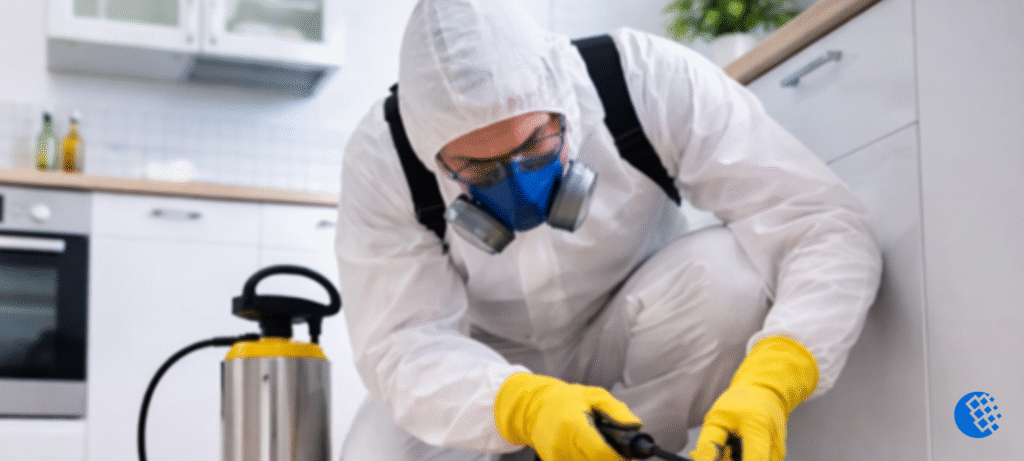
Home maintenance is often associated with tasks like painting walls, repairing leaks, cleaning gutters, or servicing electrical systems. While these activities are undeniably important, one essential aspect is frequently overlooked: pest control. Many homeowners treat pest problems as occasional inconveniences rather than a core maintenance concern. In reality, pest control is a critical component of protecting a home’s structure, health, and long-term value.
Pests are not just unwanted guests; they can cause serious damage, pose health risks, and lead to costly repairs if ignored. Understanding why pest control deserves a permanent place in home maintenance planning can help homeowners prevent problems before they escalate.
Pests Are More Than a Nuisance
At first glance, pests like ants, cockroaches, rodents, or termites may seem harmless. However, these organisms are highly adaptive and can multiply rapidly once they find food, water, and shelter inside a home.
Unlike visible maintenance issues, pest infestations often develop silently. Termites can eat away at wooden structures for months before signs appear. Rodents can chew through wiring behind walls, increasing fire risks. Cockroaches can hide in tight spaces and spread bacteria without being noticed. Because pests operate out of sight, the damage they cause is often discovered only after it becomes severe.
Protecting the Structural Integrity of Your Home
One of the most critical reasons pest control is essential to home maintenance is its role in protecting structural integrity. Certain pests directly attack the materials that hold a house together.
- Termites feed on wood and can weaken foundations, beams, and flooring.
- Carpenter ants tunnel through wooden structures, compromising their strength.
- Rodents chew on insulation, wood, and even concrete edges to create nesting spaces.
Structural damage caused by pests can be extremely expensive to repair and may even affect the safety of the home. Routine pest inspections and preventive treatments help identify risks early and stop damage before it becomes irreversible.
Maintaining a Healthy Living Environment
A clean home does not automatically mean a healthy one if pests are present. Many pests are carriers of bacteria, allergens, and pathogens that can negatively impact indoor air quality and overall health.
For example:
- Cockroaches are known to trigger asthma and allergies, especially in children.
- Rodents can spread diseases through droppings, urine, and contaminated surfaces.
- Mosquitoes and flies can carry harmful pathogens into living spaces.
Pest control plays a vital role in maintaining a hygienic environment by reducing exposure to these health hazards. Just as regular cleaning removes visible dirt, pest management addresses hidden biological threats.
Preventing Costly Repairs and Emergencies
One of the biggest misconceptions about pest control is that it is an unnecessary expense. Investing in professional pest control services helps homeowners detect infestations early, reduce long-term repair costs, and avoid sudden pest-related emergencies.
In reality, pest control is a cost-saving measure when viewed as preventive maintenance.
Ignoring a small infestation can lead to:
- Major structural repairs
- Replacement of damaged furniture or insulation
- Electrical system repairs due to chewed wiring
- Medical expenses related to pest-borne illnesses
Preventive pest control costs far less than emergency treatments or major home repairs. Regular inspections allow homeowners to address minor issues before they turn into expensive crises.
Preserving Property Value
A well-maintained home retains its value over time, and pest control plays a significant role in this. Pest infestations can drastically reduce a property’s market appeal and resale value.
Homebuyers often request pest inspection reports before finalizing a purchase. Evidence of past or present infestations can delay sales, reduce offers, or require costly treatments before closing. Consistent pest management ensures that a home remains attractive, safe, and market-ready at all times.
Pests Exploit Maintenance Gaps
Pests often enter homes through small vulnerabilities that are part of routine wear and tear. Cracks in walls, gaps around windows, leaking pipes, and poorly sealed doors create easy entry points.
When pest control is integrated into home maintenance, these vulnerabilities are identified and addressed early. This proactive approach strengthens the home’s defenses and reduces the likelihood of infestations. Pest control professionals often spot issues that homeowners overlook, making it a valuable complement to general maintenance efforts.
Seasonal Pest Activity Requires Ongoing Attention
Pest activity changes with the seasons. Some pests become more active in warmer months, while others seek shelter indoors during colder periods. This seasonal behavior makes pest control an ongoing necessity rather than a one-time task.
Regular maintenance schedules that include pest inspections help homeowners stay ahead of seasonal infestations. Instead of reacting to problems after they appear, proactive pest control anticipates risks and minimizes disruption throughout the year.
Supporting Long-Term Home Safety
Safety is a fundamental goal of home maintenance, and pest control directly supports this objective. Rodents chewing on electrical wiring increase fire hazards. Wasps or bees nesting near entrances pose risks to occupants and visitors. Termite damage can compromise load-bearing structures, creating potential collapse risks.
By treating pest control as a safety measure rather than a convenience, homeowners can significantly reduce preventable dangers within their living space.
Pest Control as Preventive Maintenance
Reliable home pest control solutions ensure consistent protection against recurring infestations and support a safer, healthier living environment. The most effective home maintenance strategies focus on prevention rather than repair. Pest control fits perfectly into this philosophy. Preventive treatments, routine monitoring, and early intervention ensure that pest populations never reach damaging levels.
Just as homeowners schedule HVAC servicing or roof inspections, pest control should be a regular part of maintenance planning. This approach ensures peace of mind and long-term protection.
Conclusion
Pest control is not a luxury or an optional service—it is a critical part of responsible home maintenance. From protecting structural integrity and preserving property value to ensuring health, safety, and cost efficiency, effective pest management supports every aspect of a well-maintained home.
By addressing pest control proactively, homeowners can prevent hidden damage, avoid unnecessary expenses, and maintain a safe, comfortable living environment. When viewed through the lens of long-term care and prevention, pest control stands out as one of the smartest investments a homeowner can make.