People often ask about an Art Teacher Diploma as if it’s a single, fixed thing. A clear path. One course, one outcome. In reality, it’s a little messier than that. And maybe that’s not a bad thing.
I’ve met people who took this diploma because they loved drawing. Others because teaching felt stable. Some because they didn’t quite fit into academic-heavy degrees and wanted something more tactile. All of them walked into the course with different expectations. Most of them left with a different understanding of what teaching art really involves.
An Art Teacher Diploma doesn’t just train your hand. It reshapes how you look at learning, patience, and creative discipline. That part isn’t always obvious from course brochures.
What an Art Teacher Diploma usually includes
Most Art Teacher Diploma programs run between one and two years. Some are structured tightly. Others leave more room for exploration. The common thread is that they balance practice with teaching theory, though not always evenly.
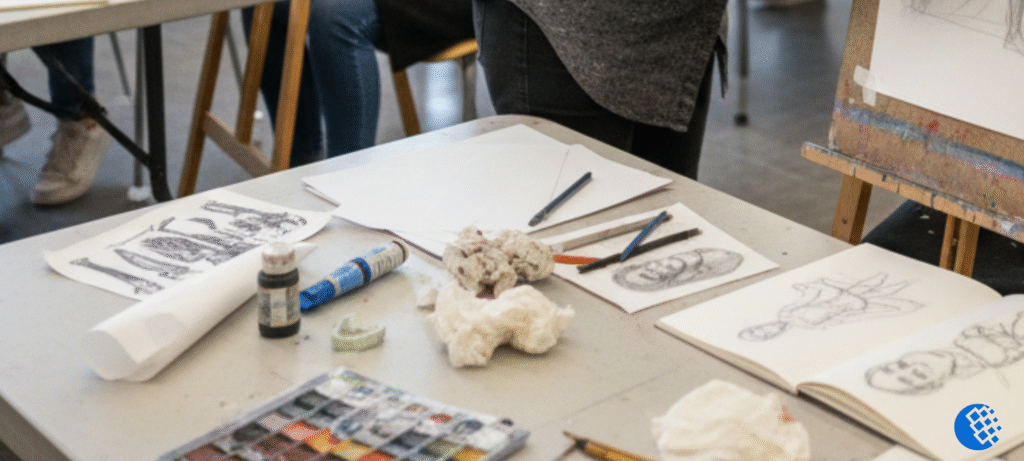
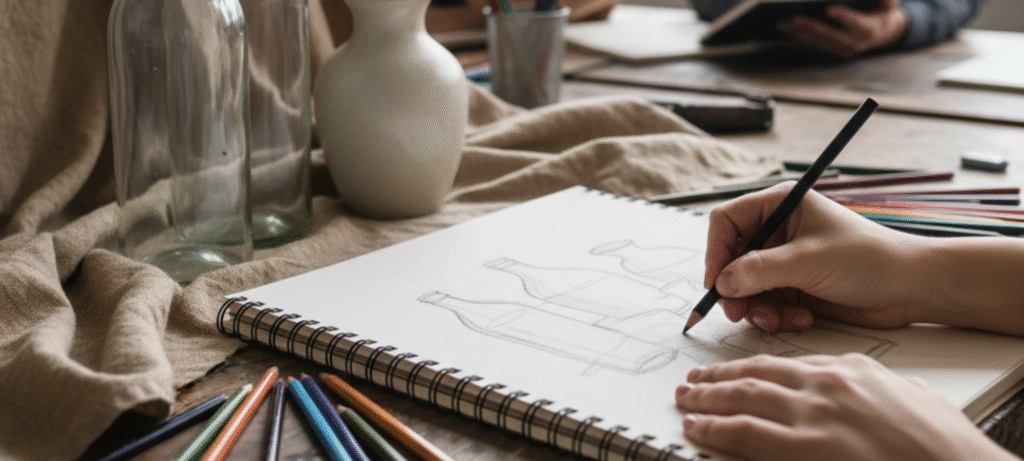
You spend long hours drawing objects that feel boring at first. Bottles. Chairs. Fabric folds. It sounds basic. It is basic. And that’s kind of the point. You start noticing proportion mistakes you never saw before. Shading becomes less decorative and more deliberate.
At the same time, there’s exposure to art history, not in a museum-tour way, but in how styles evolved and why certain movements reacted against others. It’s less about memorizing dates and more about understanding context.
Pedagogy enters quietly. Lesson planning. Classroom pacing. Child psychology. At first, it can feel disconnected from drawing itself. Later, when you try to explain perspective to a room full of restless students, it suddenly makes sense why those sessions mattered.
Key Details of Art Teacher Diplomas
An Art Teacher Diploma is usually designed for students who have completed intermediate education, often with an arts background, though some institutes accept students from science or commerce streams as well.
The duration typically ranges from one year to two years, depending on the institution and whether the program is full-time or modular. Coursework often includes drawing fundamentals, painting techniques, design principles, sculpture or craft work, and a steady introduction to teaching methods.
Assessment is usually practical-heavy. You’re judged on output, consistency, and improvement over time. Written exams exist, but they rarely define success on their own.
Teaching art is not the same as making art
This is where many students feel a quiet shift.
Being good at art does not automatically translate into being good at teaching it. Teaching art requires slowing down your own instincts. You have to explain things you do without thinking. That can feel uncomfortable.
There’s also the emotional side. Students attach their confidence to their drawings. A careless comment can shut someone down. A thoughtful one can unlock months of progress. You start realizing that teaching art is partly about managing vulnerability. Yours and theirs.
Some diploma programs handle this well. Others barely touch it. A lot of learning happens during practice teaching sessions, when theory collides with real classrooms.
Career paths after an Art Teacher Diploma
The most direct path is school teaching. Primary and secondary schools often look for diploma holders, especially where fine arts degrees are less common. The work is steady. The pay varies widely by region and institution.
Others move into private academies or community art centers. Some combine teaching with freelance illustration or commission work. A few go on to advanced art degrees once they realize they want deeper specialization.
Interestingly, skills learned here sometimes spill into unexpected areas. Visual communication. Curriculum design. Even online education spaces, where explaining visual ideas clearly becomes a real advantage. This crossover reminds me of how structured learning formats work in other fields too, like in this discussion on the difference between e learning and online learning, where teaching approach matters as much as content.
Institutions offering Art Teacher Diplomas
Traditional art schools still dominate this space. Institutions like Sir JJ School of Art in Mumbai have long-standing diploma programs with rigorous studio training. Government art colleges across different regions also offer structured ATD courses.
Private academies vary in quality. Some are excellent, with close mentorship and smaller batches. Others are more certificate-focused. It takes some research to tell the difference.
Online or blended programs exist too, though hands-on practice still benefits from physical studios. That said, digital learning models are evolving, much like the shift discussed in benefits of online translation learning, where flexibility and access reshape how skills are taught.
What students often underestimate
- Time: An Art Teacher Diploma demands patience. Improvement doesn’t happen on a weekly schedule. Some weeks feel stagnant. Others suddenly click. Students who expect constant visible progress often get frustrated early on.
- Physical Strain: Long hours hunched over drawing boards. Carrying portfolios. Standing during classes. It’s not intense in a dramatic way, but it adds up.
- Feedback: Art education involves critique. Not everyone is prepared for that. Learning to separate personal identity from work is a skill in itself.
People also ask about Art Teacher Diplomas
Is an Art Teacher Diploma enough to become a teacher?
In many regions, yes, especially for school-level art teaching. Some institutions may require additional teaching certifications depending on local regulations.
Can I do an Art Teacher Diploma without being very good at art?
You don’t need to be exceptional at the start. You do need willingness to practice consistently and accept correction.
Is this diploma useful outside schools?
Yes. Many skills transfer into workshops, community programs, and creative training roles.
How different is this from a fine arts degree?
A fine arts degree focuses more on personal artistic development. The diploma emphasizes teaching and structured instruction.
FAQs students usually ask quietly
- Do art teachers actually get creative freedom? It depends on the school. Some encourage experimentation. Others follow strict curricula.
- Is the course heavy on theory? Usually less than traditional degrees, but theory is still present and unavoidable.
- Can this diploma lead to higher studies? In many cases, yes. Some students move on to advanced art education later.
- What kind of students struggle most? Those who resist feedback or expect fast results often find it harder.
Perspectives worth exploring
Institutions like Sir JJ School of Art provide detailed outlines of ATD programs that show how traditional art education structures these diplomas.
Platforms such as Alison also offer Alison’s art teacher course information into how art teaching skills translate into broader education roles, especially in blended learning environments.
Final thought
An Art Teacher Diploma doesn’t turn you into an artist or a teacher overnight. It sits somewhere in between, shaping habits more than titles. Some days it feels slow. Some days oddly demanding. But over time, it changes how you see effort, progress, and explanation itself. And maybe that quiet shift matters more than the certificate at the end.