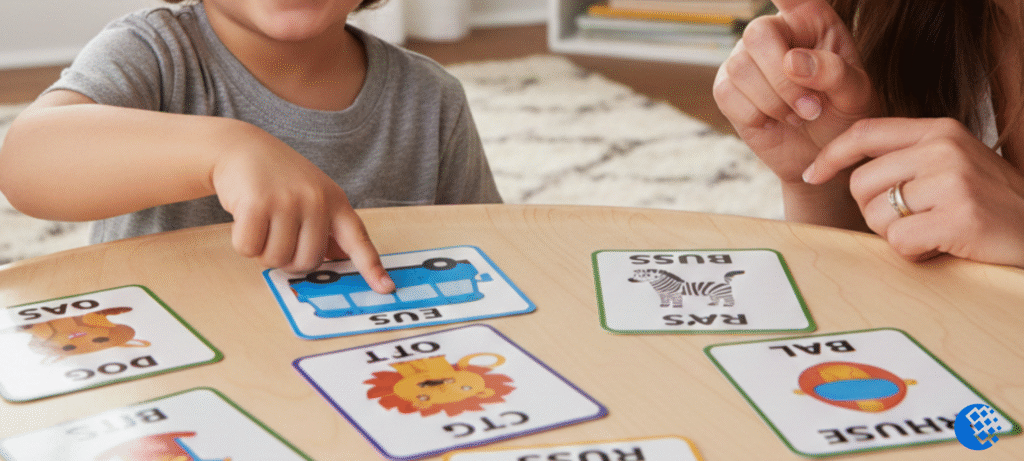
It is one of those things that catches you off guard as a parent or a teacher. A child looks at a picture of a cat and says “ca” with total confidence. You know they know what the animal is. They just leave the end off. I think it is easy to assume they are just being lazy with their speech, but that is rarely the case. They are actually just navigating a really complex system of motor planning and auditory feedback. Learning how to teach final consonant deletion to a child is mostly about shifting how they hear their own voice and helping them find the finish line of a word.
It is a funny thing, really. When we talk, we don’t think about the mechanics of our mouths. We just do it. For a child, though, a word like “bat” has three distinct movements. If they get tired halfway through, or if their brain is moving faster than their tongue, that final “t” just disappears. It is a common pattern. I have worked with many kids who do this, and usually, they are brilliant at picking up on other things; they just need a bit of a nudge to realize that the last sound is just as important as the first one.
If you are concerned about how this might bleed into other areas of their learning, you might find it helpful to look at how different factors in their environment contribute to their overall success. Sometimes it helps to understand to keep the big picture in mind, as speech is just one small part of the complex puzzle of child development. Everything is interconnected when you look at it closely.
Why Does This Happen?
From what I have seen, it usually comes down to simple efficiency. A child’s brain is constantly trying to communicate as quickly as possible. The beginning of the word carries the most information—it tells you what the word is—so the ending often feels optional to them. It is like sprinting a race and slowing down just before you hit the tape. They already got the point across, right?
But that final consonant matters. It differentiates “bee” from “beep” or “row” from “road.” It is the difference between specific meaning and general sound. I have watched children get frustrated when they cannot make their point, and sometimes that frustration is because they are missing the markers that differentiate their words.
I remember one specific little boy who would get so upset because he couldn’t get his friends to understand him during games. He was saying “boo” for “book,” “boot,” and “booth.” He was doing his best, but his listeners were confused. Helping him add that final consonant was like opening a door for him. He didn’t need to be perfect; he just needed a few more cues.
Getting Started With Sound Awareness
You cannot fix what you cannot hear. That is the first rule. If a child doesn’t notice they are dropping the sound, they cannot change it. I often start by just playing with sounds. We don’t even need words at first. We might make a long “sssss” sound or a sharp “p” sound. We make it into a game.
It might sound strange but I find that exaggerating the sounds helps them distinguish between the start, middle, and end. You can call it “stretching” the word. When you talk to them, don’t just say the word normally. If you are playing with a ball, say “bal-llll.” Really hold that last note. It draws their attention to the part they are missing.
Some people prefer to jump into drills. I generally avoid that. Drills feel like a chore. If a child feels like they are being corrected constantly, they will start to shut down. I prefer to weave it into play. If we are playing with toy cars, we might say “beep-p” or “stop-p” with a little extra emphasis on that final consonant.
If you are struggling with the balance between teaching and just living, you might want to read a bit more about to see how others handle the pressure of trying to support a child’s progress without turning every moment into a lesson. It is a common struggle for anyone working with kids.
Using Tactile Cues for Success
I have found that touch is a powerful teacher. Sometimes I will have a child tap their leg for every sound in a word. “B-a-t.” Three taps. If they say “ba,” they only did two taps. They can physically feel that something is missing. It makes it concrete.
It doesn’t always work right away. Sometimes they just look at you like you are a bit crazy. But keep at it. I think the key is consistency without being heavy-handed. If you turn it into a tapping game, they don’t feel judged. They feel like they are playing a beat. And eventually, their brain starts to connect the physical feeling of that third tap with the sound of the final consonant.
Navigating the Process
There will be days where you think they have got it, and then they regress. It happens. Don’t let it discourage you. Language is not a straight line. It is a messy, winding path. I have had kids who were perfect with their endings for a whole week, only to go back to deleting everything on a Monday. Maybe they were tired. Maybe they were thinking about something else.
When this happens, just model the correct word back to them. You don’t need to say “No, you said it wrong.” Just say, “Oh, you want the cat? Here is the cat.” You are giving them the correct version as a mirror. They hear it, they process it, and they store it away for later.
There are some great resources out there if you want to understand the science of this a bit better. The has a lot of information on how sounds are acquired. It helps to remember that there is a range of “normal” for these things. You don’t need them to be on a strict schedule.
Working With Word Families
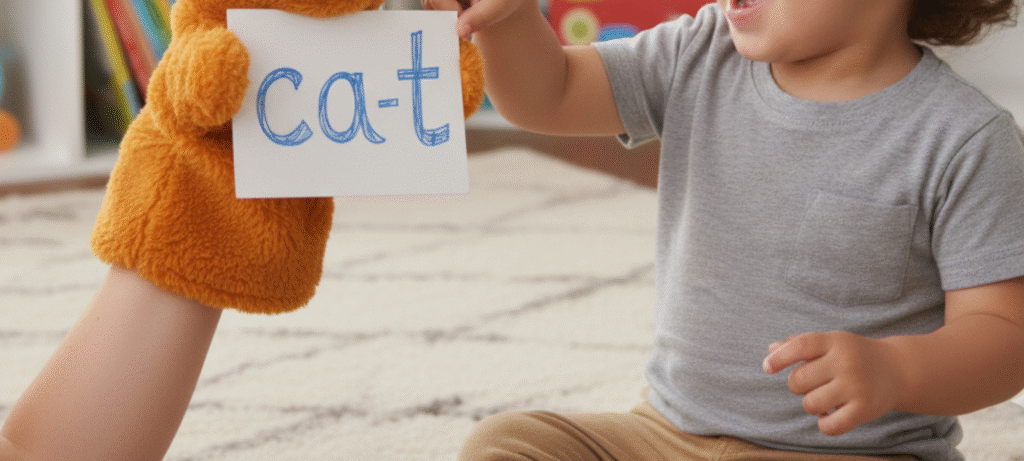
Another thing I really like to do is group words by their endings. If we are working on the “t” sound, we stick to words that end in “t.” Cat, bat, hat, mat, pot, hot. The repetition of that final sound helps their brain get into a groove. It is much easier to focus on one specific ending than to try to catch every ending in every word they speak.
Sometimes I will use a puppet. Kids love puppets. The puppet can be the one who “forgets” the ending, and the child can be the “teacher” who corrects the puppet. It flips the script and puts them in control. They are so much more motivated to produce a sound when they are the ones teaching it to someone else.
The Role of Reading Aloud
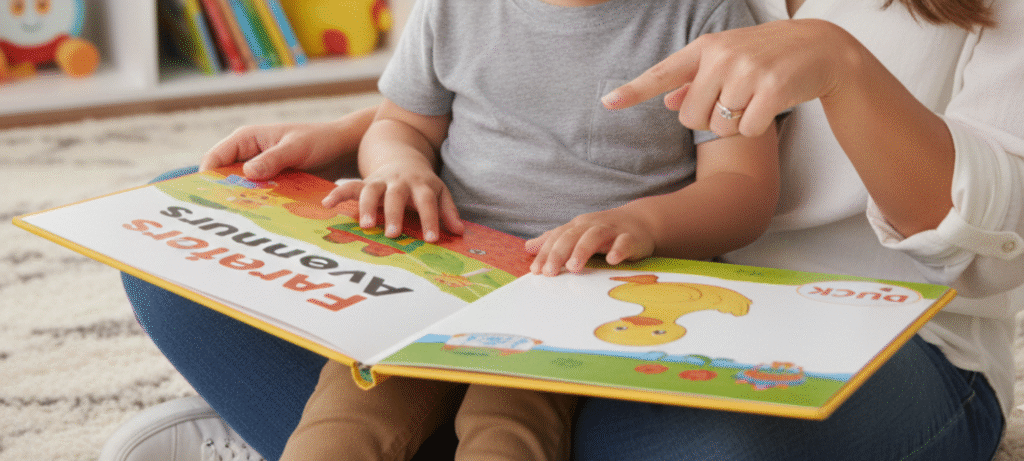
Reading is such a natural way to practice. When you are reading a book together, point out the words with strong endings. “Look, this is a ca-t.” Take your time. Don’t rush through the pages. Use the pictures to support the words. If the picture shows a duck, say “duck-k” clearly.
I find that children often have a much better ear for sounds than we give them credit for. They just need us to slow down. If we read at a frantic pace, they lose the details. But if we read with rhythm, they start to pick up on the patterns. You might notice them starting to self-correct. That is the magic moment. When they stop, look at the word, and fix it on their own, you know you are winning.
Helpful=> How Percentage Scores Affect Student Grades
Practical Considerations for Parents
I know it can feel like a lot to take on. You are already busy. You are balancing a thousand things. Please don’t add this to your list as another thing you have to “perfect.” It is not about perfection. It is about exposure.
Even if you just do it for five minutes while you are driving to the store or while you are making dinner, that is enough. The cumulative effect of those five-minute sessions is what really changes things. It is better to do five minutes every day than one hour once a week.
If you are curious about broader phonological skills, you could check out , which has a wealth of information on how children learn to map sounds to letters. It provides a good sense of the developmental trajectory, which can be very reassuring when you feel like progress is stalling.
People Also Ask
- Is this always a sign of a speech disorder? Not usually. In many cases, it is just a normal developmental pattern. Most children outgrow it on their own, but if it persists past age three or four, it is worth a quick check to make sure they are on the right path.
- What should I do if they don’t want to play these games? Let it go. Force is the enemy of speech progress. If they aren’t in the mood, just read a book to them or talk naturally. They will still hear your correct models, and that is often enough to help them along.
- Can I use apps to help? Some apps are great for listening practice. Just be careful with screen time. I find that real-world interaction is always more effective than anything on a tablet.
FAQs
How long does this process usually take?
It varies wildly. Some kids get it in a week. Others take months. There is no standard timeline because every child’s brain and mouth coordination develop at a different speed.
Should I only focus on one sound at a time?
I think that is the best approach. Focus on a sound they have already mastered in the beginning of words but are dropping at the end. Don’t try to tackle a sound they haven’t learned yet.
What if they get frustrated and stop talking?
Stop the practice immediately. Shift to something they are good at and enjoy. You want them to associate communication with connection and fun, not with pressure or feeling like they are constantly wrong.
Final Thoughts
At the end of the day, speech is just a tool we use to connect. When a child is deleting final consonants, they aren’t broken. They are just in the middle of learning how the pieces fit together. It is a messy, beautiful part of growing up.
It is easy to get caught up in the details—worrying about the sounds, the mechanics, and the timelines. But keep coming back to the connection. If you are laughing together and communicating, you are doing the important work. The sounds will come. Often, they seem to show up when you are least expecting them, almost as if the child has been quietly working on it in their own mind, waiting for the right moment to let it out. Just stay patient, keep modeling, and let them find their voice in their own time. It is a long journey, but it is one worth taking one word at a time. It’s really just about listening and being there with them, isn’t it? If we stop focusing on the “right” way and just focus on the conversation, the rest often falls into place naturally. After all, the best way to help them speak clearly is to simply keep talking with them, listening to their little stories, and enjoying that fleeting, wonderful time when they are still figuring out exactly how to put all those pieces into place.
You can find us here: Easygrader