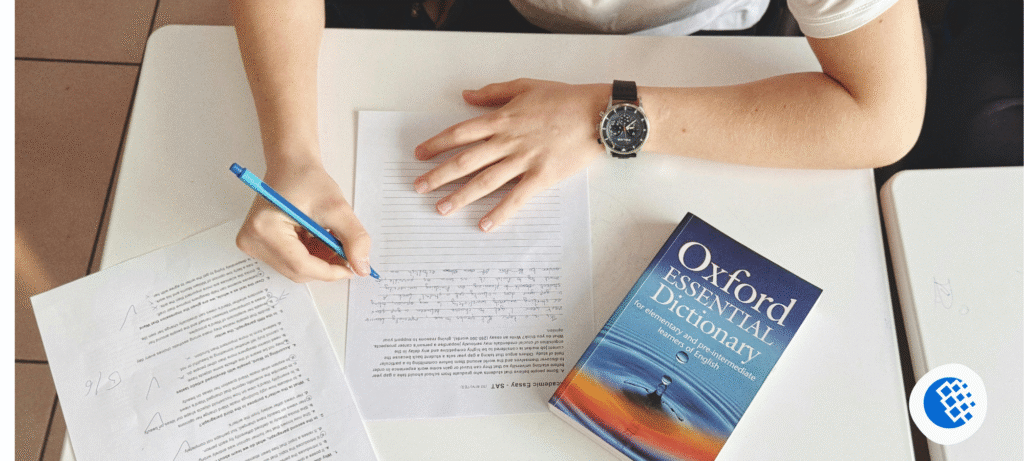

Language development does not happen in stages that simply end and begin. Instead, it grows like a long path, starting with simple recognition and slowly leading to deep understanding. From a child learning to read their first sentence to an adult handling complex texts, the same foundation supports every step forward. Words, how we read them, and how we remember them shape how we think.
What changes over time is not the importance of language, but the way we interact with it.
The Power of Early Reading Skills
When children first learn to read, the focus is not on speed or complexity. It is on meaning. Young learners begin by recognizing letters, sounds, and basic words. This early process builds confidence and curiosity. Reading becomes less about effort and more about understanding.
In early education, reading comprehension grade 1 focuses on helping children connect words to ideas. Students learn to understand short sentences, follow simple stories, and answer basic questions about what they read. These skills may seem small, but they form the mental structure needed for all future learning.
When children understand what they read, they are more likely to enjoy reading. That enjoyment leads to practice, and practice leads to improvement. This cycle is one of the most important drivers of long-term literacy.
From Short Words to Longer Thinking
As learners grow, the words they encounter become longer and more complex. These words often carry detailed meaning and are used to explain ideas, emotions, or systems. Learning how to recognize and understand common long words is not just about spelling or pronunciation. It is about understanding how ideas are built.
Long words often come from older languages and contain prefixes, roots, and suffixes. When learners understand these parts, they can break down unfamiliar words and understand them more easily. This skill becomes especially useful in science, history, and academic writing.
The ability to handle longer words also improves reading flow. Instead of stopping to decode each word, readers begin to process language smoothly. This allows them to focus on meaning rather than mechanics, which is essential for deeper comprehension.
Simple Language Does Not Mean Simple Thinking
Advanced learning does not require complicated wording. In fact, clear and simple language often supports deeper understanding. When ideas are explained using direct words and clear examples, learners can focus on meaning rather than confusion.
Using simple language helps readers of all levels. It supports young learners, second-language readers, and adults alike. Clear wording reduces cognitive load and allows ideas to connect more naturally.
This is why strong educational materials focus on clarity rather than complexity. The goal is not to impress, but to communicate.
Practice Beyond the Classroom
Language learning does not stop when school ends for the day. Reading signs, messages, instructions, and articles all reinforce literacy skills. In modern life, written language is everywhere, and each interaction strengthens understanding.
Digital tools now play a large role in this process. Learners can practice reading, spelling, and vocabulary outside traditional classrooms. Many families and educators turn to spelling websites to support this ongoing learning. These platforms offer structured practice that can be repeated without pressure.
Online tools allow learners to move at their own pace. Mistakes can be corrected privately, and progress can be tracked over time. This flexibility makes learning more accessible and less stressful.
The Connection Between Reading and Thinking
Reading is not just about words on a page. It shapes how people think, reason, and solve problems. Strong readers can follow instructions more easily, understand arguments, and evaluate information critically.
When learners build strong reading habits early, they gain an advantage that lasts a lifetime. They become better writers, better learners, and more confident communicators. Even simple reading tasks strengthen attention and memory.
Understanding text also builds empathy. Stories allow readers to see different perspectives and experiences. This emotional understanding is as important as academic skill.
Long-Term Benefits of Strong Literacy
Strong literacy skills support success in every subject and profession. Whether someone is reading instructions, contracts, research, or creative writing, the ability to understand language clearly is essential.
As learners move from early reading to advanced comprehension, they carry forward the same basic skills. Word recognition becomes vocabulary. Vocabulary becomes understanding. Understanding becomes insight.
This progression does not happen automatically. It requires exposure, practice, and support. But with the right tools and mindset, improvement is always possible.
A Skill That Keeps Growing
Language learning does not have an endpoint. Even fluent readers continue to encounter new words and ideas. Each new text adds another layer of understanding.
By supporting literacy from the earliest stages and continuing through advanced learning, we build a foundation that supports lifelong growth. Clear reading, thoughtful practice, and consistent exposure make language not just a subject — but a tool for thinking.
From first sentences to complex ideas, language grows with us.