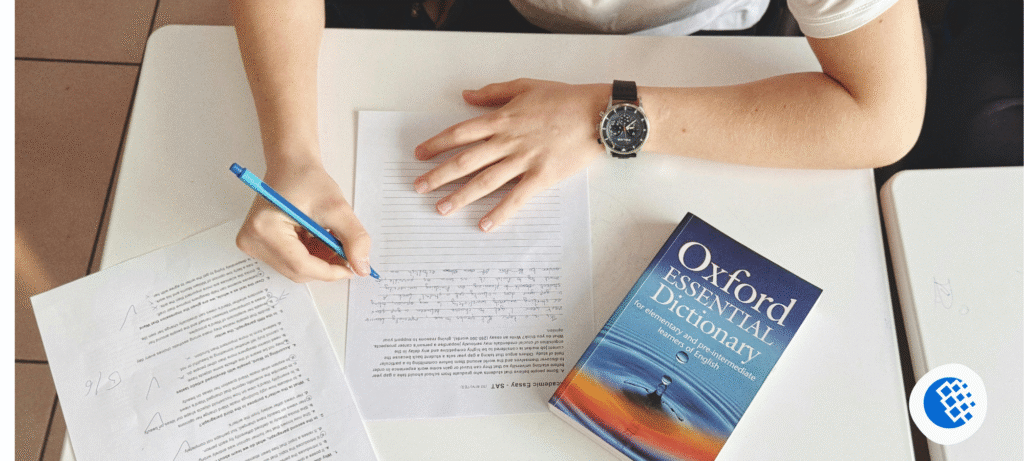

There is a specific, quiet weight that comes with the phrase responsibility as student. If you asked someone twenty years ago what that meant, they’d probably tell you it’s just about turning in your homework on time and not talking back to the teacher. But walk into any lecture hall or open a laptop in 2026, and you’ll realize the game has completely changed. Being a student today isn’t just a phase of life; it’s a high-stakes trial run for your entire professional future. It’s about how you manage your focus in a world designed to steal it, how you use powerful tools like AI without losing your own voice, and how you maintain a sense of ethics when “shortcuts” are just a click away.
When I think about my responsibility as a student, I don’t see a list of rules from a handbook. I see a foundation. We are effectively in a multi-year training program for society. The discipline you build now—the way you handle a 2:00 AM study session or a group project where no one else is pulling their weight—is the exact same discipline you’ll need to lead a team or manage a crisis in your thirties.
The New Academic Contract: Active Engagement vs. Passive Attendance
The old days of “seat time”—where you could just show up and daydream—are dead and gone. In 2026, the primary responsibility as student is active engagement. It’s no longer enough to just occupy a chair in the back row and wait for the bell to ring. True responsibility means arriving prepared. It means you’ve already wrestled with the reading material before the professor even opens their mouth.
Think of it this way: if you are a medical student preparing for an Emergency Medical Responder Course, your responsibility isn’t to the grade on the paper; it’s to the person whose life you might be saving in three years. That weight changes how you study. You aren’t just memorizing; you are absorbing. This same logic applies to every field. If you’re struggling with the pace, you need to own that struggle. For instance, if you’re drowning in numbers, going back to the basics and learning how to study for a math exam is an act of responsibility. It shows you respect your own time and the educational resources you’re being given.
According to the guidelines at Burnaby Schools, being prepared with necessary supplies and arriving regularly is the foundation of a student’s success.
Navigating the AI Frontier: The Ethics of the Tool
We have to talk about the elephant in the room: generative AI. The question of how to use AI responsibly as a student is perhaps the most defining ethical challenge of our generation. There is a very thin, very dangerous line between using AI as a cognitive “bicycle” and using it as a “crutch.”
A responsible student uses AI to bridge gaps in understanding. Maybe you’re looking at micromodels in Machine Learning NLP and the math just isn’t clicking. Using an AI to break down that logic into a simpler analogy is brilliant—that’s using tech to learn. But using it to write your my responsibility as a student essay from scratch? That is a total failure of the academic contract. Academic honesty is the only thing that gives your degree value. Once you trade your integrity for a “fast” grade, you haven’t just cheated the school—you’ve cheated yourself out of the actual ability to think critically.
Digital Citizenship: Your Life Beyond the Screen
In 2026, the classroom doesn’t stop at the school gates. It extends into every social media platform you use. Learning how to use social media responsibly as a student is now a core requirement for professional survival. We live in an era where your digital footprint is permanent and searchable.
Being a responsible student online means a few key things:
- Verifying before Sharing: In a world of deepfakes and misinformation, a student’s duty is to be a gatekeeper of truth, not a megaphone for lies.
- Professional Presence: You don’t have to be a robot, but you should realize that a future employer is looking at your Instagram as much as your resume.
- Protecting the Community: Respecting your peers means not sharing their work, their faces, or their private moments online without a clear “yes.”
The Forgotten Pillar: Physical and Mental Stewardship
You cannot be a responsible student if you are running on empty. Part of your duty is to take care of the “hardware” that does the thinking. This means prioritizing sleep over “hustle culture” and recognizing when your mental health needs a professional’s eyes. You aren’t doing anyone a favor by burning out before the semester is even halfway over.
Even simple physical maintenance matters. If you find yourself squinting at the board, that’s a signal you’re ignoring. People often wonder, “how long does an eye exam take?” and the truth is, it’s only 30-60 minutes. That tiny window of time ensures you can actually see the path you’re trying to walk. Taking care of your health is a prerequisite for taking care of your grades.
People Also Ask
What is the core responsibility of a student in 2026?
It’s a mix of academic diligence, moral honesty, and digital integrity. You are responsible for your own learning, your own behavior, and your own public image.
How do I balance school with the distractions of social media?
Set hard boundaries. Use “Focus Modes” on your devices and treat your study time like a professional job that you can’t be fired from.
Is it cheating to use AI for research?
No, as long as the final output and the “thinking” are yours. Use AI to find sources or explain concepts, but never to replace your own unique voice.
How do I show respect to my instructors?
Punctuality is the most basic form of respect. Beyond that, ask thoughtful questions and follow the classroom norms that allow everyone else to learn without distraction.
Final Thoughts: The Legacy of the Responsible Student
At the end of the day, your responsibility as student isn’t something you “do”—it’s something you are. It’s a choice you make every morning to be slightly more disciplined, slightly more honest, and slightly more engaged than you were yesterday. Whether you are prepping for a math final or navigating a complex group project, remember that you are building the “you” that the world is going to rely on in the future. Don’t take shortcuts. The long way is where the learning actually happens.