
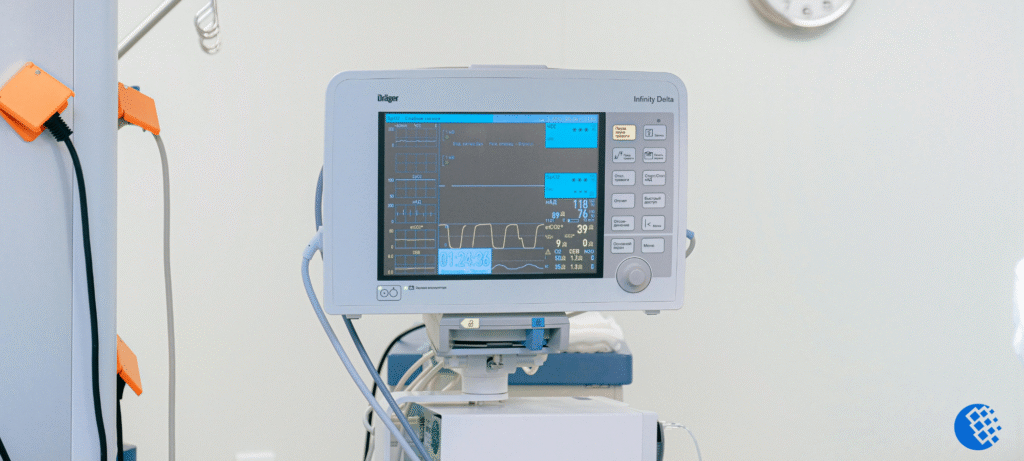
A smooth, efficient production line is essential for meeting demand, maintaining quality, and protecting profitability. As operations grow more complex, manual oversight alone often becomes insufficient. Automated monitoring provides real‑time visibility, reduces human error, and ensures that issues are identified before they escalate. Recognizing the signs that your production line needs this level of support can help you make timely improvements that strengthen performance and reliability.
Frequent Quality Inconsistencies
When product quality begins to fluctuate, it is often a sign that manual monitoring is no longer keeping pace with production demands. Inconsistent output can stem from equipment wear, improper settings, or variations in raw materials. Without automated systems in place, these issues may go unnoticed until defects accumulate or customer complaints arise.
Automated monitoring provides continuous oversight, capturing data at every stage of production. This allows teams to identify patterns, pinpoint the source of inconsistencies, and make adjustments quickly. By reducing the risk of undetected errors, automated systems help maintain high standards and protect your brand’s reputation.
Rising Downtime and Maintenance Interruptions
Unexpected downtime is one of the most costly challenges in manufacturing. When equipment failures or maintenance issues occur frequently, it may indicate that your current monitoring approach is not providing enough insight into machine performance. Manual checks often miss early warning signs such as temperature fluctuations, vibration changes, or pressure irregularities.
Automated monitoring systems track these indicators in real time, alerting teams before minor issues turn into major disruptions. Predictive maintenance becomes more achievable, allowing you to schedule repairs strategically rather than reacting to breakdowns. This shift not only reduces downtime but also extends the lifespan of critical equipment.
Increased Compliance Requirements
Many industries face strict regulatory standards that require precise documentation and consistent oversight. As compliance expectations grow, manual monitoring can become overwhelming and prone to error. Missing data, incomplete logs, or delayed reporting can lead to fines, audits, or production delays.
Automated monitoring simplifies compliance by capturing accurate, time‑stamped data and generating reports that meet regulatory requirements. For example, facilities that rely on sterilization processes often turn to reputable sterilizer monitoring systems to ensure consistent performance and reliable documentation. Automated solutions provide the level of precision needed to maintain compliance without placing additional strain on staff.
Difficulty Scaling Production Efficiently
As demand increases, production lines must adapt quickly. If your team struggles to scale operations without sacrificing quality or efficiency, it may be a sign that manual monitoring is limiting your growth. Relying solely on human oversight becomes increasingly challenging as output expands and processes become more complex.
Automated monitoring supports scalability by providing consistent, accurate data regardless of production volume. It allows teams to manage multiple lines, shifts, or facilities with greater ease. With real‑time insights, decision makers can optimize workflows, allocate resources effectively, and maintain performance even during periods of rapid growth.
Conclusion
Recognizing the signs that your production line needs automated monitoring helps you stay ahead of inefficiencies, protect product quality, and support long‑term growth. When inconsistencies increase, downtime rises, compliance becomes more demanding, or scaling feels difficult, automated systems offer the visibility and control needed to keep operations running smoothly.