Finding the perfect balance between academic structure and a child’s natural curiosity is one of the biggest challenges in homeschooling. Many parents want a program that builds solid communication skills without causing the burnout associated with heavy, drill-based textbooks. Language Lessons for a Living Education has emerged as a top-tier solution for families who prefer a “gentle” but deeply effective teaching style.
This award-winning series from Master Books follows the Charlotte Mason method, blending storytelling, picture study, and faith into manageable daily lessons. Instead of isolated grammar rules, children learn through meaningful conversation and creative engagement. In this 2026 guide, we explore how this curriculum works and why it remains a staple for holistic learning.
Table of Contents
- What Exactly is This Curriculum?
- The Charlotte Mason Approach Explained
- Core Components of Daily Lessons
- Detailed Level-by-Level Breakdown
- Language Lessons vs. Traditional Workbooks
- Bridging the Gap with Modern Standards
- The Psychological Benefits of Gentle Learning
- Final Thoughts: Is It Right for Your Student?
- FAQs
What Exactly is This Curriculum?
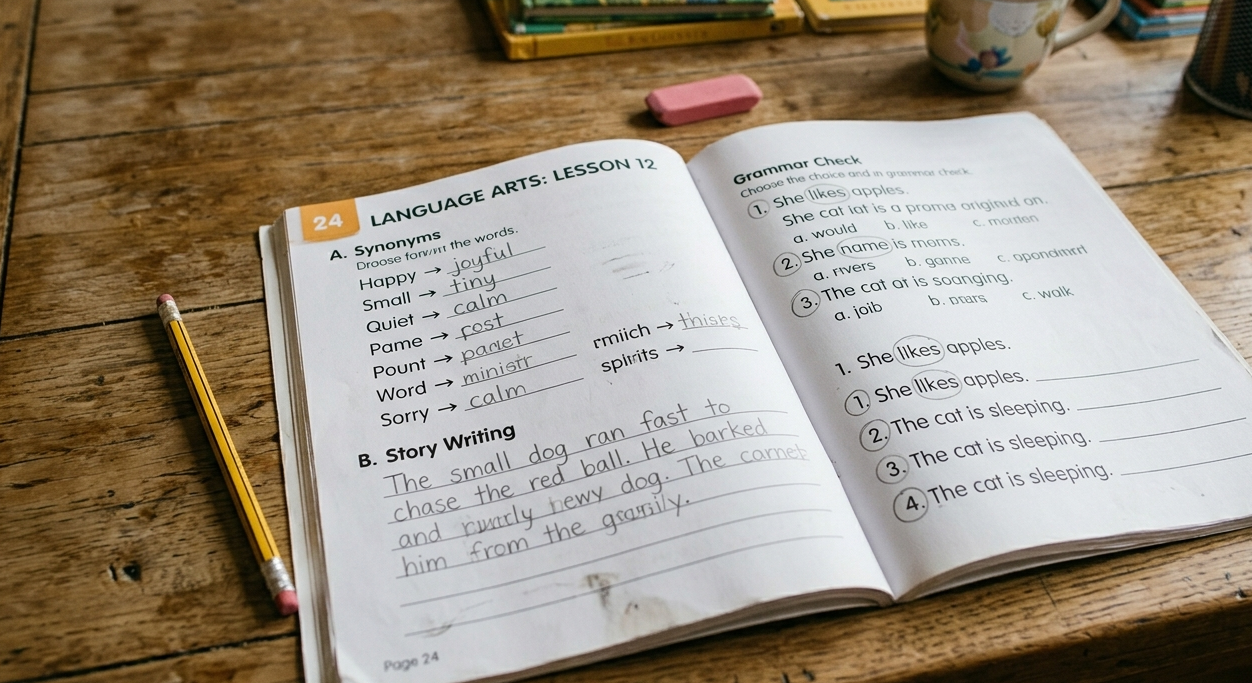
Language Lessons for a Living Education is an all-in-one, Christian-based language arts program. It focuses on helping children become confident communicators through reading, writing, and oral expression. Unlike traditional programs that separate subjects into different books, this series uses a “whole-child” model that feels more like a lifestyle than a school subject.
The lessons are intentionally kept short—usually just 20 to 30 minutes—to respect a child’s attention span. The series covers a vast range of skills, starting with basic phonics in the early years and moving into sophisticated literature analysis in high school. Because it centers on “living” stories, children stay connected to the material and the characters while they absorb complex grammar concepts.
The Charlotte Mason Approach Explained
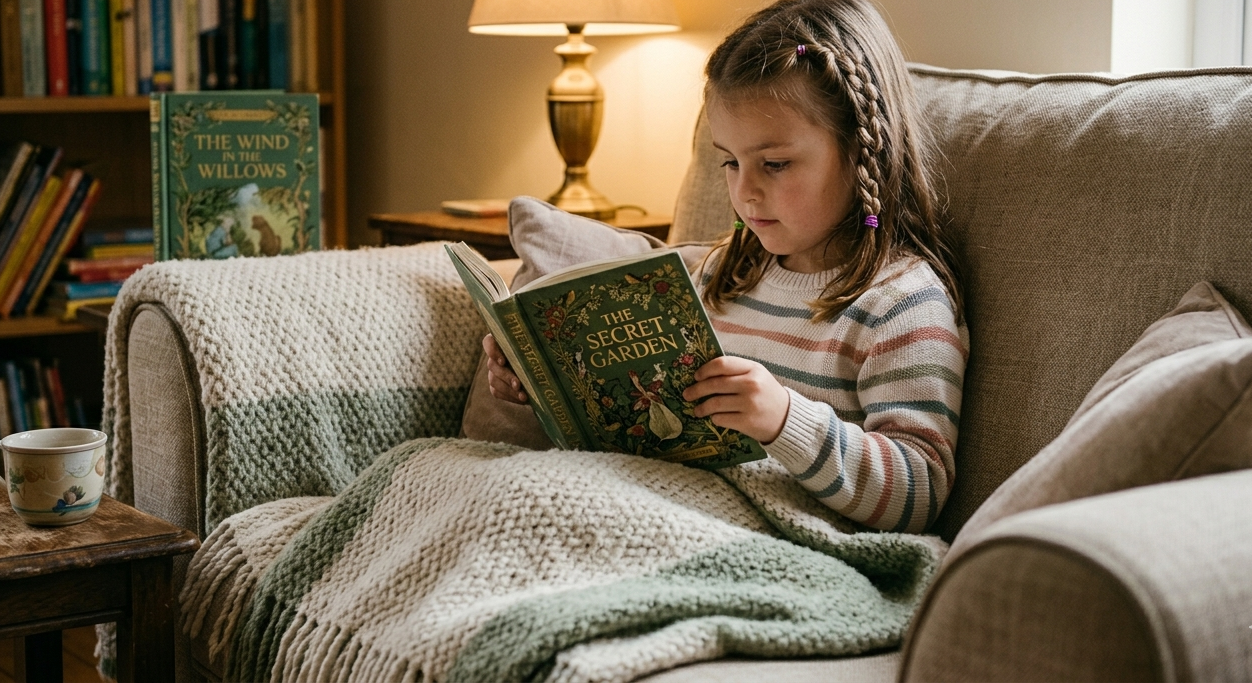
Charlotte Mason was a pioneering educator who believed that children should learn from “living ideas” and beautiful books rather than dry, disconnected facts. MasterBooks Language Lessons for a Living Education puts these theories into practice using several key techniques.
Narration
One of the most important tools in this curriculum is narration. After reading a story or looking at a piece of art, the child explains what they learned in their own words. This practice builds incredible memory, comprehension, and public speaking skills from a very young age.
Copywork and Dictation
Instead of arbitrary spelling lists, students use copywork. They write out beautiful sentences from the Bible or classic literature. This process helps them naturally absorb correct spelling, punctuation, and handwriting style without feeling like they are doing repetitive “busywork.”
Picture Study
Each level includes high-quality art for the student to observe. This teaches them to pay attention to detail and fosters a deep appreciation for culture and beauty, making the learning experience much richer than a standard workbook.
Core Components of Daily Lessons
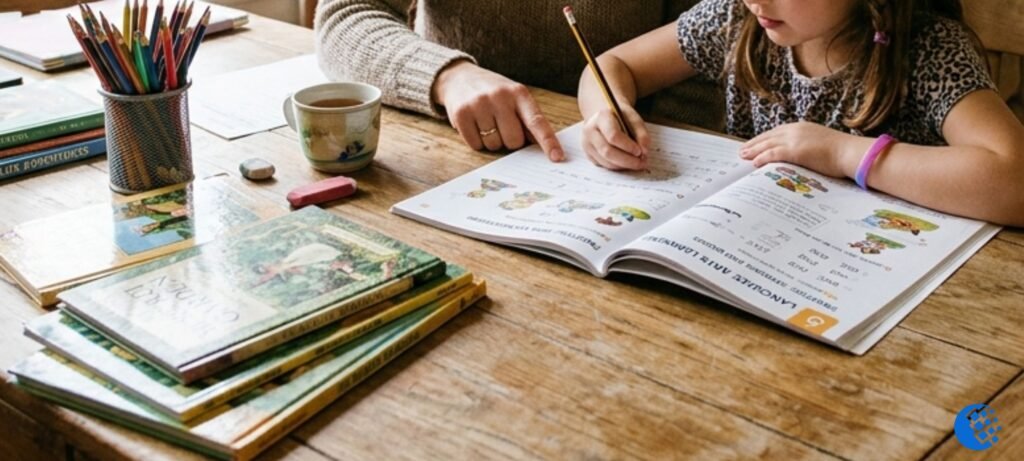
This curriculum is designed as a consumable workbook, making it very “open-and-go” for busy parents. It saves time by integrating multiple subjects into one cohesive daily plan.
Story-Based Learning
Each week begins with a new chapter in a story that follows a relatable family. This narrative provides the context for the grammar and vocabulary work that follows. For educators looking to expand their teaching library, mastering Digital Product Discovery is a great way to find supplementary digital tools that align with this story-driven method.
Grammar in Context
You won’t find pages of abstract rules here. Instead, students might be asked to find all the action verbs in the story they just read. By seeing how language is actually used by authors, the rules feel useful and logical rather than random or frustrating.
Faith and Character Building
The lessons are deeply rooted in a biblical worldview, incorporating Scripture and hymns. This ensures that while children are learning to write and speak, they are also building a strong moral foundation and a sense of character.
Detailed Level-by-Level Breakdown
The series is designed to grow with your student. It is skill-based, meaning you can place your child in the level that best matches their current ability rather than just their age.
| Level | Target Grade | Key Learning Focus |
| Level 1 | Grade 1 | Learning to read, phonics, and basic handwriting skills. |
| Level 2 | Grade 2 | Forming complete sentences and beginning oral narration. |
| Level 3 | Grade 3 | Verb tenses, adjectives, and learning to use a dictionary. |
| Level 6 | Grade 6 | Advanced independent writing and complex composition. |
| Level 7-10 | High School | Deep literature analysis, essay writing, and worldview. |
Language Lessons vs. Traditional Workbooks
Many parents struggle with the choice between a “gentle” program and a more traditional, “rigorous” one. Here is a comparison to help you decide which path fits your family best.
The Master Books Style
- Integrated Learning: Grammar, spelling, and reading are taught together as one subject.
- Varied Routine: No two days are exactly the same, which keeps students from getting bored.
- Emotional Connection: The stories and art build a bond between the student and the material.
The Traditional Style
- Separated Subjects: You often have to buy three different books for grammar, spelling, and writing.
- Repetition-Heavy: Relies on doing the same type of problem dozens of times to ensure “mastery.”
- Higher Burnout: The sheer volume of work can sometimes lead to a child resenting the subject.
Bridging the Gap with Modern Standards
While the method is gentle, it is academically solid. The logical thinking skills built through narration and story analysis actually help students in other tough subjects like math and science. For example, the clear, step-by-step thinking needed to narrate a story is the same logic used when following the Lesson 3.4 Solving Complex 1-Variable Equations Answer Key.
In 2026, many homeschooling families use these books while remaining fully aligned with national educational standards. This ensures that when the child reaches high school or college, they are fully prepared for the workload. If you want to see how these levels compare to other popular brands like “The Good and the Beautiful,” platforms like Cathy Duffy Reviews offer excellent side-by-side comparisons.
The Psychological Benefits of Gentle Learning
One often-overlooked factor is the mental health of the student. Traditional schooling can sometimes create “test anxiety” even at home. By using a living education approach, you remove the pressure of constant testing and replace it with a culture of curiosity.
When a child isn’t afraid of making a mistake on a drill, they are more willing to take risks in their creative writing. This builds a more resilient student who views learning as a lifelong adventure rather than a hurdle to jump over.
Final Thoughts: Is It Right for Your Student?
Every child learns at their own pace. If your student thrives on stories and art, or if they have struggled with the “boring” nature of standard workbooks, this series is likely a perfect fit. It creates a beautiful, calm atmosphere in the home while ensuring that academic growth is happening every single day.
Whether you are starting at the very beginning with Language Lessons for a Living Education 1 or guiding a teenager through the literary analysis of the upper levels, the outcome is the same: a student who can think critically and speak with grace.
FAQs
What is language lesson for a living education?
It is a comprehensive homeschool curriculum that uses the Charlotte Mason method to teach language arts through stories, art, and faith.
Does it include spelling and handwriting?
Yes, these are built into the daily lessons. You generally do not need separate books for these subjects, though some parents add extra practice for struggling writers.
Is it too easy for a bright student?
While the tone is gentle, the content is sophisticated. Bright students often enjoy the depth of the stories and the challenge of narration more than simple drills.
How long does a daily lesson take?
Most families find they can complete a day’s work in 20 to 30 minutes, allowing more time for other interests and play.