

A curriculum specialist simply designs and improves what schools teach. Cut through the fluff, and it’s basic: they make sure students learn and teachers have the tools they need. They handle the disconnect between rigid state standards and the messy reality of an everyday classroom.
If you’ve ever wondered what is a curriculum specialist, you’re definitely not alone. Most people hear that job title and think it’s just another desk job in a school district office. But the reality is that this role sits right at the heart of how schools function. Teachers are the ones running the daily show in the classroom, but curriculum specialists are the ones building the blueprints—deciding what gets taught, how it’s organized, and whether it’s actually helping kids master the material.
If you’re thinking about making a career pivot, here is a look at what this job is really like, what you’ll be doing all day, and how to get there.
What is a Curriculum Specialist? (Definition & Simple Meaning)
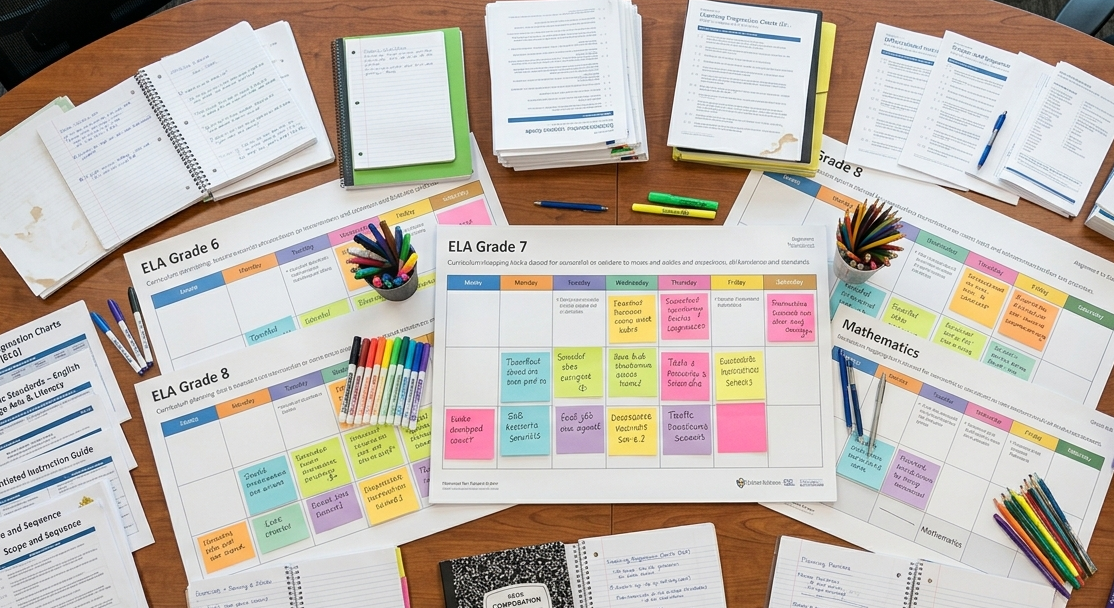
So, what is a curriculum specialist in plain English? They’re basically the people who build and clean up the day-to-day learning experience. Some school districts might slap the title “instructional coordinator” on them instead, but it’s the exact same gig: they design, check, and fix the academic programs kids use every single day.
The part that makes this role interesting—and honestly, a bit challenging—is that it’s not just about drafting lesson plans. It’s about asking the real questions that keep schools moving forward:
- Is this content actually working in real, messy classrooms, or are the kids just staring at the clock?
- Why are students constantly tripping up on this specific math or literacy topic year after year?
- How can we help teachers deliver this material better without burning them out?
Instead of teaching just one classroom, you’re shaping the learning path for hundreds or even thousands of students at once.
What is the Role of a Curriculum Specialist?
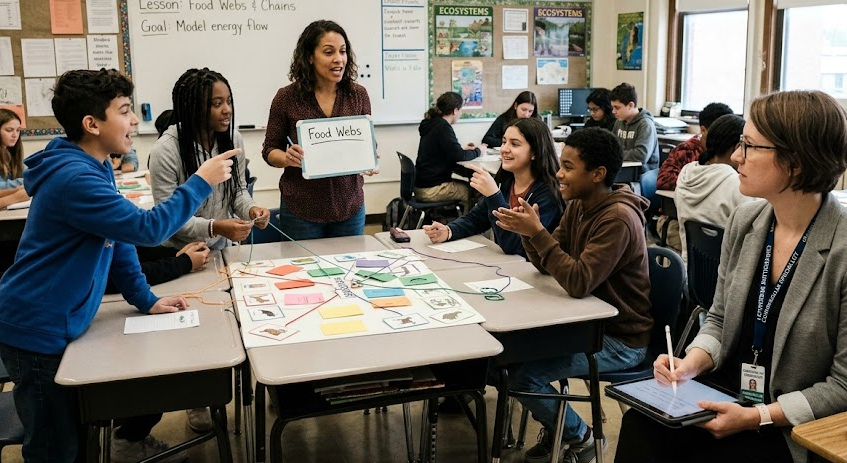
When you ask what is the role of a curriculum specialist, the answer usually breaks down into three main areas. And, to be honest, it’s rarely as clean-cut as a textbook description:
- Curriculum Design: This goes beyond just writing. You’re building lesson plans and materials that actually work in a real, noisy classroom. You’re often working with specific lesson planning frameworks to ensure everything aligns with state standards like Common Core.
- Teacher Support: You aren’t just sending emails from an office. You’re walking into classrooms, watching what happens, and helping teachers pivot when a lesson flops or when a new standard is introduced.
- Data Review: This is the unglamorous but necessary part. You’ll be diving into test scores and academic performance data to find patterns. You’re fixing the “why” behind those learning gaps, deciding whether to use formative assessment strategies to catch kids early or summative data to see if the overall curriculum is hitting the mark.
In most school systems, this role is the connector. You take the official requirements from the state and turn them into something that actually makes sense for a teacher to use on a Tuesday morning.
What is the Job of a Curriculum Specialist?
If you’re trying to understand what is the job of a curriculum specialist on a day-to-day basis, it really just comes down to creative planning mixed with a lot of real-world problem-solving. It’s definitely not a static desk job; you’re constantly fixing issues on the fly.
Curriculum Planning and Lesson Development
You’ll spend a lot of time aligning content with local, state, and federal standards. It’s not just general stuff; you often get into the weeds of inclusive learning. Take specialists with a Diploma in Special Needs, for example—they are incredibly sought after right now because they actually know how to make learning accessible for everyone. At the end of the day, you can’t design a curriculum for some “perfect” hypothetical student who doesn’t exist in the real world.
Teacher Training and Mentorship
A huge part of the job is essentially adult education. You’ll be leading professional development workshops and mentoring educators on new ways to handle their classes. From what I’ve noticed in most schools, curriculum specialists are basically the ultimate lifelines for frustrated teachers. This is especially true for Special Education Itinerant Teachers. Because these teachers are constantly running around between different campuses, they completely depend on flexible resources. That’s where a great specialist steps in—they’re the ones tracking down the exact tools that can actually adapt on the fly.
What is a Curriculum and Instruction Specialist?
You might be asking, what is a curriculum and instruction specialist? Is it a different title?
Let’s be real: most school districts use these titles interchangeably anyway. The whole job comes down to figuring out what gets taught and exactly how to teach it. Look at it like this—the curriculum is just the blueprint, but instruction is the actual building process. You have to be good at both. If you can draft a beautiful lesson plan on paper but can’t help a teacher pull it off in a chaotic classroom, you’re going to fail.
Skills Needed for a Curriculum Specialist Job
Getting good at this career takes way more than a solid degree. You really have to balance technical know-how with pure people skills. It isn’t about just checking items off a generic checklist.
- Analytical Thinking: You can’t just stare at a spreadsheet full of student test scores and see random numbers; you actually have to figure out what those metrics mean for next semester’s classrooms. It’s about digging into the data to solve actual learning issues on the ground.
- Instructional Design: Designing a great lesson plan means knowing how to build content that clicks with completely different learning styles. If your materials only work for a fake, perfect student, they will fail miserably in a chaotic classroom.
- Communication: You’re basically the ultimate middleman. Your day-to-day involves dealing with everyone from top administrators to stressed teachers and even parents, so being able to talk to all of them is crucial. You have to pivot your approach constantly. One minute you’re breaking down a massive state policy for a completely exhausted educator, and the next you’re scrambling to answer sudden demands from the district office.
- Adaptability: Education changes overnight. When a brand-new standard gets handed down, you’re the person who has to quickly adjust everything. If you freeze up when your entire week’s plan gets tossed out at the last second, this role will drain you fast.
Career Path to Become a Curriculum Specialist
Most people in this role have at least a Master’s degree in Education or a related field. Since you really need to understand what happens inside a classroom to be effective, almost all curriculum specialists started out as lead teachers.
If you want to look into educational strategy and industry standards, the U.S. Department of Education is a great place to start. For a bigger-picture look at global policies, the UNESCO’s International Bureau of Education has some solid resources on how curriculum is developed on a world scale.
Frequently Asked Questions (FAQ)
- What is a curriculum specialist? They are education experts who design, evaluate, and improve academic programs to help students learn better.
- What is the job of a curriculum specialist? They analyze student performance data, build lesson plans, mentor teachers, and make sure school materials hit the right standards.
- Is curriculum specialist a good career? It’s a fantastic path for educators who want to make a bigger impact on how a school system runs rather than staying in just one classroom.
- What qualifications do you need? Typically, you need a Master’s degree in Curriculum and Instruction or a similar field and significant experience as a classroom teacher.
- Is it a high-paying job? Salaries vary by state and district, but because it often requires a Master’s degree and leadership experience, it usually commands a higher salary than a standard teaching position.
- What is the difference between a teacher and a curriculum specialist? A teacher is focused on delivering instruction to a specific group of students daily, while a specialist is focused on designing the instructional framework and supporting the teachers themselves across an entire department or district.
Final Thoughts
At the end of the day, understanding what is a curriculum specialist comes down to looking at how schools improve as a whole. They are the ones equipping teachers for success so that students actually grasp the material. If you have classroom experience and want to reshape how kids learn, stepping into this role is a powerful way to make a real difference.