
For a long time, schools and colleges looked at achievement through a pretty tiny lens. If you kept your GPA up, didn’t make trouble in class, and finished your degree in four years, you were considered a success story. The system checked its box, and everyone moved on.
But if you’ve spent even five minutes in a modern classroom or lecture hall, you already know a transcript doesn’t tell the whole story. A real student success definition has to look past the report card. Take a student who graduates with a flawless 4.0—then falls apart in their first year at a demanding job because nobody ever taught them how to think critically or cope with pressure. Now compare that to someone juggling two part-time jobs, pulling a 2.8, who’s built up serious time management, grit, and problem-solving skills along the way. Those are the traits that actually carry a career.
Right now, the way we talk about education is changing. We are finally moving away from seeing school as a simple transaction. If we want to understand how teachers, policy creators, and universities see this today, we have to look deeper than basic test scores.
What Is Student Success?
When you boil it down, student success isn’t a single test score or a final graduation date. It is a dynamic process that covers how well a person grows academically, personally, and socially throughout their time in school. It is all about making sure a student’s individual life goals align with the actual support and resources a school gives them.
Global groups like UNESCO are pointing out more than ever that modern classrooms need to prepare people for a fast-changing world. You can’t just manufacture good results on an assembly line. True growth happens when a student’s grades, emotional intelligence, and hands-on skills all improve together.
When someone actually feels like they belong at their school, knows where to go for tutoring, and gets help navigating tough institutional hurdles, their chances of crossing the finish line skyrocket.
Student Success Definition: The Core Concept
If we want to map out a clear educational roadmap, we have to blend classic milestones with what we now know about learning psychology.
A Practical Working Definition: Student success means actively supporting a learner’s schoolwork, personal growth, and mental well-being all at once. It happens when schools give everyone a fair shot with inclusive classrooms and real resources. This setup helps a diverse mix of students hit their learning targets, push through tough classes, graduate on schedule, and walk away ready for both a good job and lifelong learning.
This way of thinking stops putting the entire burden on the student’s shoulders alone. It turns education into a two-way street. Data tracking from the National Center for Education Statistics (NCES) shows that when a school treats success as a team effort—where advisors, teachers, and campus life staff join forces—student retention and graduation numbers go up significantly.
Looking at research papers across platforms like ScienceDirect, it is clear that pinning down a solid student success definition is a balancing act. You have to balance the school’s goals, like graduation percentages, with the student’s personal milestones, like building self-confidence and emotional resilience.
Definition of a Successful Student

So, if schools are supposed to look at things from a broad perspective, what does the definition of a successful student look like for an individual?
A successful student isn’t automatically the one pulling the highest grade on every test — and it’s not someone who never struggles, either. A successful student definition really comes down to being active, adaptable, and knowing how to manage your own progress. These are the students who don’t just sit back and absorb a lecture; they take charge of their own learning.
Passive Consumption (Old Model) ──> Active Engagement & Resilience (Modern Model)
In practice, that looks like setting goals that are actually reachable, leaning on resources like campus writing centers or mentors, and treating mistakes as something to learn from rather than something to hide from. They put real effort into their communication, get a handle on managing their calendar, and look for chances to learn outside the regular classroom.
Why Student Success Matters
When schools and colleges drop the ball on supporting their students, everybody feels it eventually. Rising dropout numbers put a real strain on community resources, and they leave young people without the credentials they need to land steady work that actually pays. The U.S. Department of Education has made this point repeatedly — helping students succeed is one of the most reliable routes to economic growth and broader social mobility.
For school districts and colleges, keeping students on track is also a matter of keeping the doors open. A lot of institutional funding these days is tied directly to performance metrics, like how many students stay enrolled and finish their programs, rather than just how many sign up in the fall.
Numbers only tell part of the story, though. Closing fairness gaps really comes down to paying attention to the whole student experience. A campus that puts real money into strong advising, free mental health counseling, and classrooms that work for everyone gives first-generation, low-income, and marginalized students an actual shot at thriving — not just a shot at surviving.
Student Success in Higher Education
Attitudes toward student success in higher education have shifted a lot over the past decade or so. Go back a generation, and universities were mostly chasing prestige, research output, and top-tier grades. If a freshman felt lost, fell behind, and dropped out after one semester, that was often just written off as natural filtering — the system doing what it was supposed to do.
Briefly put, that old mindset is dying out. Today’s college leaders know that starting higher education is a massive, stressful life transition.
Institutions like the University of Utah have built frameworks centered around clear learning outcomes, making student involvement and proactive academic advising part of everyday campus life. Along the same lines, the official guidelines at UC Merced emphasize that student success happens when individuals dive headfirst into growth opportunities inside the lecture hall and out in the campus community.
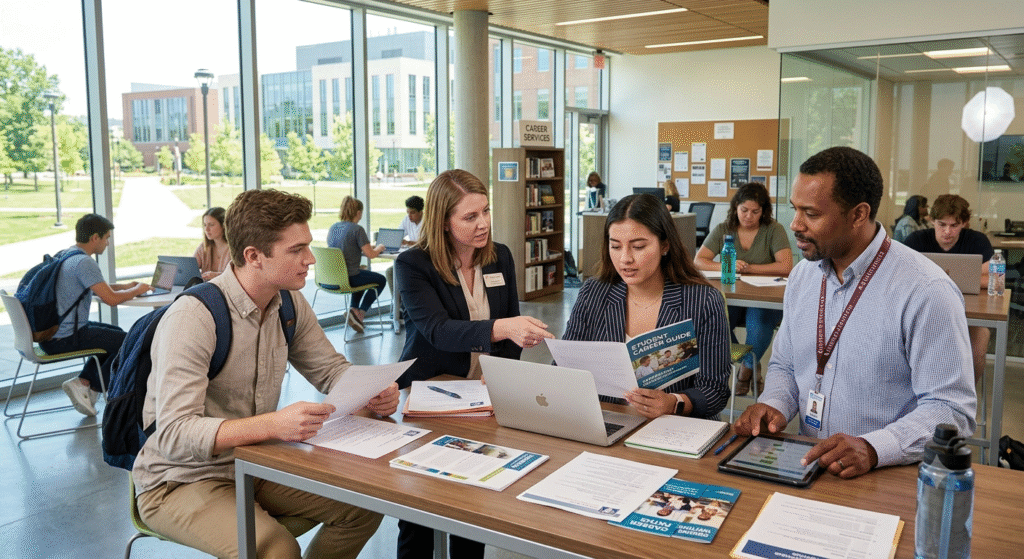
To make this work in college, the academic side and the student life side have to talk to each other. Every student needs easy access to a few core things:
- Early Academic Advising: Spotting a drop in grades before a student ends up failing the class.
- Real Mental Health Support: Dealing with the high levels of stress and anxiety that cause people to drop out.
- Practical Career Services: Making sure a student’s major actually connects with real-world jobs from their very first year.
Student Success in K–12 Schools
When you look at K–12 schools, the focus is usually on building a solid foundation and getting kids ready for the future. Teachers here use Social Emotional Learning (SEL) strategies to make sure children are growing their emotional intelligence right alongside their reading and math skills.
One detail that parents and brand-new teachers sometimes miss is that a great high school experience isn’t just about loading up on advanced classes. It is about helping teenagers find what they are good at and teaching them how to study effectively.
To keep younger learners motivated along the way, teachers often use simple rewards. If you are looking for ideas on how to build enthusiasm in the classroom, check out our guide on 75 Free Incentives for Students to see what works best without breaking the budget.
Core Elements of Student Success
To make these ideas something you can actually use, educational psychologists break them down into several core building blocks. If a school drops the ball on even one of these pillars, the whole system starts to wobble.
Student Success Plan Definition
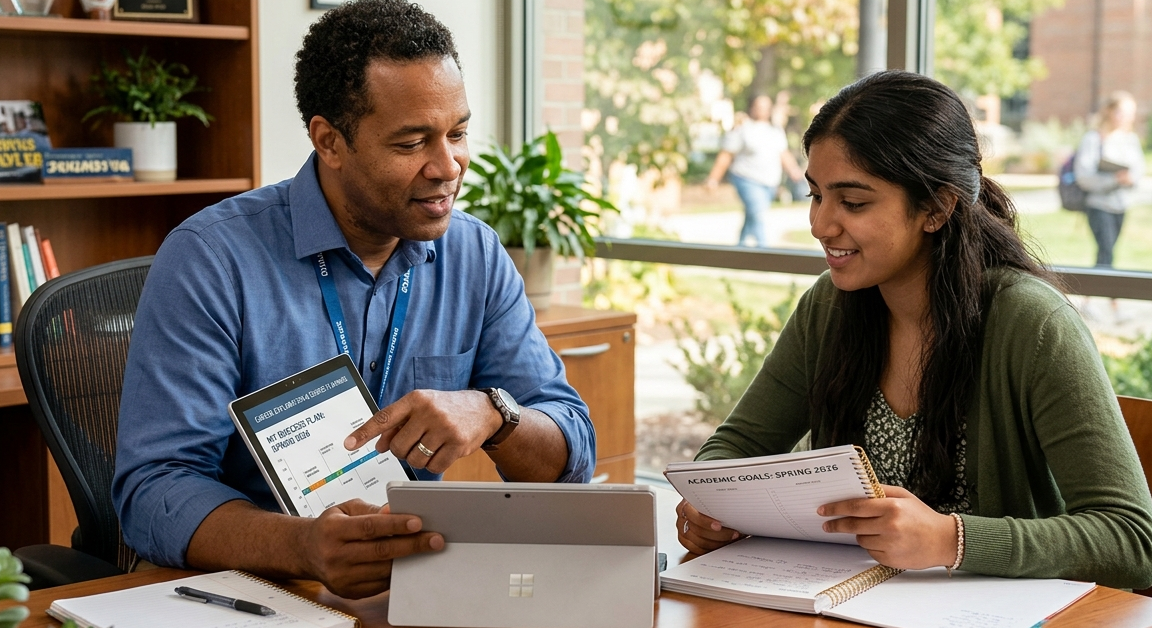
Whenever a student starts slipping behind, or an advisor wants to make sure someone’s got a straight shot at graduation, that’s when a clear plan comes together. Put simply, a student success plan is a living, customized map — built by an advisor or teacher working with the student, not handed down to them. It lays out personal goals, flags the things likely to get in the way, points to specific school resources worth using, and builds in a few simple check-ins so progress gets tracked instead of just hoped for.
A successful student isn’t automatically the one pulling the highest grade on every test — and it’s not someone who never struggles, either. A successful student definition really comes down to being active, adaptable, and knowing how to manage your own progress. These are the students who don’t just sit back and absorb a lecture; they take charge of their own learning.
In practice, that looks like setting goals that are actually reachable, leaning on resources like campus writing centers or mentors, and treating mistakes as something to learn from rather than something to hide from. They put real effort into their communication, get a handle on managing their calendar, and look for chances to learn outside the regular classroom.
Academic Achievement
Grades aren’t the whole story, but they still count for something. Students need to keep a decent GPA up, work through their course goals using proven learning frameworks like Bloom’s Taxonomy, and keep making steady progress toward that final diploma.
Personal Development
School should change the way you see the world, really. Personal growth means building a mindset that actually likes a challenge, learning how to carry big projects from start to finish, and figuring out how to teach yourself things without a teacher holding your hand the whole time.
Emotional Well-being
It’s hard to learn anything when you’re dealing with a mental health crisis or running on empty. Supporting emotional well-being means handing students real tools to manage stress, build resilience, and keep some balance between life and school.
Student Engagement
Real learning isn’t something you just watch happen. High student engagement — joining a campus club, speaking up in class discussions, digging into research projects, or working with a mentor — is what makes a student feel like they actually belong there.
Career Readiness
All that hard work has to lead somewhere real. Career readiness means a student can explain what they’re good at, handle the technical side of a job, and bring the soft skills — teamwork, reliability — that let them actually thrive in a workplace.
Critical Thinking
Students have to learn how to look at information objectively. That means questioning quick assumptions, checking the facts, digging into data, and pulling different ideas together instead of just memorizing facts for a Friday quiz.
Communication Skills
True success requires knowing how to share your ideas clearly. This goes beyond basic writing; students need to present themselves with confidence. Learning strong Platform Presentation Skills can completely change how a student shares their research and collaborates with others.
Problem-solving
When something goes wrong or a plan falls apart, successful students don’t just give up. They know how to look at a problem, break it down, try a few different solutions, and switch paths if their first idea doesn’t work.
The Holistic Student Success Framework
This simple breakdown shows how schools are moving away from old-school, number-only systems toward the well-rounded models used today.
| Measurement Dimension | Old-School View | Modern Student Success Model |
| Primary Metric | Just GPAs and standardized test scores | True skill building and hitting learning goals |
| Progression | Counting up total credits earned | Continuous progress and sticking with the program |
| Institutional Goal | Just hitting a graduation number | Long-term career readiness and lifelong learning |
| Student Support | Waiting until someone fails to offer tutoring | Proactive advising and matching students with mentors |
| Well-being | Ignored or treated as a personal issue | Making mental health and emotional strength a priority |
| Campus Life | Just sitting through lectures | Getting involved in the campus community |
Student Success Plan Definition
Whenever a student starts slipping behind, or an advisor wants to make sure someone’s got a straight shot at graduation, that’s when a clear plan comes together. Put simply, a student success plan is a living, customized map — built by an advisor or teacher working with the student, not handed down to them. It lays out personal goals, flags the things likely to get in the way, points to specific school resources worth using, and builds in a few simple check-ins so progress gets tracked instead of just hoped for.
A good, practical plan usually relies on five basic steps:
[Goal Setting] ──> [Academic Advising] ──> [Monitoring] ──> [Reflection] ──> [Targeted Support]
In the real world, these plans keep students from getting lost in a massive, confusing school system. By keeping an eye on how someone is doing and giving them space to think about their own habits, the plan turns a vague hope of graduating into an easy-to-follow, step-by-step strategy.
Characteristics of Successful Students
If you look at decades of studies on how people learn, you notice that the students who do well and stay balanced tend to share the same basic habits, whether they are in middle school or finishing a college degree:
- Smart Time Management: They look at their schedule early, split huge projects into small pieces, and set aside quiet hours for actual studying.
- No Fear of Asking for Help: They don’t look at asking for assistance as a weakness. They show up to a teacher’s office hours, head to the tutoring lab early, and set up study groups with classmates.
- Thinking About How They Learn: They regularly evaluate their own habits. If a certain way of studying doesn’t work out on a midterm, they change things up for the next test.
- Good People Skills: They know how to work well in a team, talk through disagreements calmly, and treat their peers with genuine respect.
- Real Determination: When a concept is incredibly hard to understand, they don’t just close the book and quit. They stick with it and use a growth mindset to work through the confusion.
How Colleges Measure Student Success
Because different schools have different ideas about achievement, universities use a mix of key tracking points to see if their support programs are actually working. These numbers are regularly reviewed by state boards and school oversight committees.
Retention and Persistence Rates
Retention looks at the percentage of first-year, full-time students who come back to the exact same campus for their sophomore year. Persistence tracks whether a student stays in college at all, even if they end up transferring to a different school down the road.
Graduation and Completion Rates
This is the ultimate long-term number. It measures the percentage of students who finish their degree within a specific timeframe—usually four years for a bachelor’s degree, though trackers often look at six-year windows too.
Post-Graduation Employment
Are students actually finding good work after they walk across the stage? Colleges keep close tabs on job placement numbers, average starting salaries, and how many graduates head straight into master’s or doctoral programs within a year of finishing.
Student Satisfaction and Belonging
Through anonymous school-wide surveys, campuses track how safe, supported, and welcome students feel. If students feel like they don’t fit in, it is a massive warning sign that they might drop out soon.
Common Barriers to Student Success
Even the most dedicated students can get thrown off course if they run into massive, stressful hurdles in their daily lives. Spotting these problems early lets schools step in with real help before it is too late.
- Money Struggles: The climbing cost of tuition, supplies, rent, and food forces a lot of modern students to work long shifts, which leaves them with very little energy for studying.
- Mental Health Struggles: Dealing with untreated anxiety, depression, and severe burnout can cause students to disconnect from their classes and eventually leave school.
- Not Being Ready for College Work: Students who graduate from underfunded high schools sometimes arrive on college campuses without the reading, math, or research skills they need to pass entry-level courses.
- No Guiding Network at Home: First-generation students often have a tough time figuring out the complicated world of higher education because no one in their family has navigated financial aid or course registration before.
- Accessibility Hurdles: If learning platforms or class materials aren’t set up for inclusive education, or if getting simple classroom accommodations is a bureaucratic nightmare, students with disabilities face an unfair uphill battle.
Actionable Strategies to Improve Student Success
Turning things around and getting better results requires intentional, everyday actions from everyone involved in a student’s life.
       [District / University Administration]
                       │ (Policies & Funding)
                       ▼
               [Faculty & Teachers]
                       │ (Inclusive Pedagogy)
                       ▼
    [Parents & Family] ──► [The Learner] ◄── [Peer Support Networks]
For Students
- Treat your classes like a real job: show up on time, keep your materials organized, and take responsibility for your own schedule.
- Make an effort to connect with at least one teacher or academic advisor during your first few weeks of school.
For Teachers and Faculty
- Design your classes so they are accessible to everyone, using clear goals and straightforward grading systems so there are no surprises.
- Bring interactive activities into your lectures to keep students awake, focused, and engaged.
For Parents and Support Systems
- Stop obsessing over the exact letters on a report card. Talk more about your student’s effort, daily study habits, and stress levels.
- Encourage independence; let your student practice emailing or talking to their instructors directly when they have a problem with an assignment.
For School and College Leaders
- Tear down the walls between departments so that financial aid, advisors, and mental health counselors can work together to help a struggling student.
- Use data to spot dropping enrollment and retention trends early, before they turn into a major problem for the institution.
Real-World Examples of Student Success
To see what this looks like when everything goes right, think about how real success looks for three completely different students:
The High School Turnaround
A student walks into high school completely lost in math class. Instead of giving up and failing, they get connected with a free school support program, start staying late for tutoring, and form a study group with classmates. By the time they graduate, they’ve kept a solid 3.0 GPA, found a real interest in environmental science, and earned a spot at a local state college.
The Adult Learner Pivot
A working mother decides to head back to school online to finish up a business degree. Her university sets her up with a flexible student success plan that lets her fit assignments around her job and family. She finishes her classes over five years and uses her brand-new diploma to land a promotion at work.
The First-Gen Student Connection
A first-generation student feels completely out of place during their first two months on a massive campus, dealing with serious self-doubt. Through a campus mentoring group, they find a community that makes them feel welcome and supported. They stay on track, graduate on time, and completely change their family’s economic future.
Frequently Asked Questions
What is the definition of student success?
Student success is an educational concept that looks at the whole picture. It measures a student’s ability to hit their academic goals, build strong critical thinking skills, take care of their mental and emotional health, and graduate ready for a career and lifelong learning.
What is the definition of a successful student?
A successful student is an active learner who takes charge of their own education. They make steady progress in class, build smart study habits, stay resilient when things get tough, and aren’t afraid to use tools like tutoring or advising to reach their goals.
What is your working definition of student success?
Our working definition is built on partnership. Student success happens when a school creates a fair, welcoming environment with the resources a diverse student population needs to hit their learning targets, stay enrolled year after year, and transition smoothly into a real career.
How should colleges approach student success when different definitions abound?
Colleges need to look at more than just graduation percentages. They should use a broad framework that tracks hard data like grades alongside qualitative things like how involved students are, whether they feel welcome on campus, their access to mental health care, and their job placement after graduation.
Why is student success important?
It matters because it helps people change their economic situations, closes fairness gaps in education, improves graduation numbers, and gives our communities smart, critical thinkers who are ready to handle a rapidly changing job market.
What are the qualities of successful students?
The standout habits include great time management, reflecting on how you study, keeping a growth mindset, asking for help early, communicating clearly, and staying determined to figure things out when a class gets difficult.
Final Thoughts
We can’t keep measuring human potential using old systems that were built for a different era. Finding a realistic, supportive student success definition is the absolute key to helping modern learners thrive. When our schools and universities treat students like complete human beings—investing in their minds, their mental health, and their community connections—everyone wins. The numbers we track will naturally take care of themselves, creating an educational system that doesn’t just hand out diplomas, but actually prepares people to go out and make a life.