
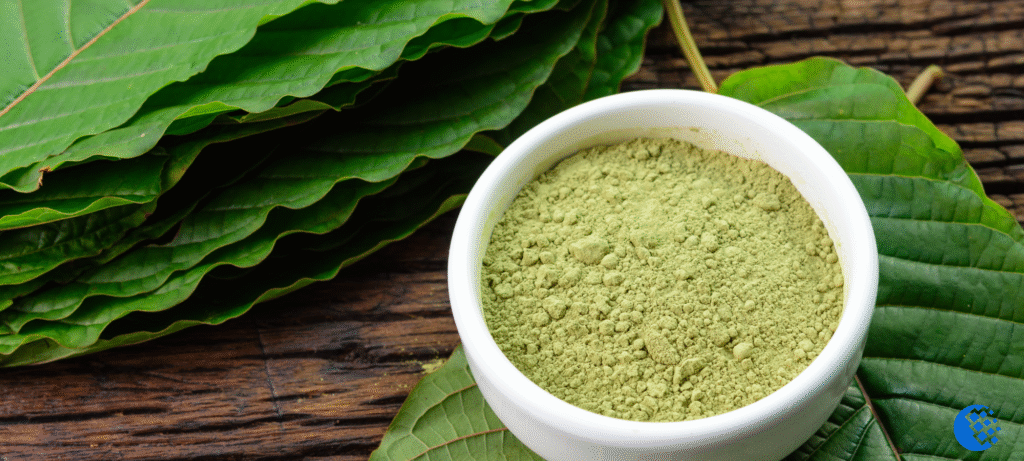
You spot a flashy new bottle at the local smoke shop promising fast relief and deep calm. The label highlights 7-OH, a trendy compound derived from the tropical tree known as kratom. Millions of people already use raw leaf powder for energy or pain. This new extract, however, is a different beast entirely. It packs a massive punch that catches many buyers off guard. Learn what 7-OH means, its health implications, and proven risks. Practical tips to minimize exposure, spot warning signs, and protect yourself quickly.
Understanding the Rise of 7-Hydroxymitragynine in the Supplement Market
The Chemistry and Origins of 7-OH Mitragynine
Kratom leaves contain dozens of active plant chemicals called alkaloids. The most common one is mitragynine. When your body digests raw leaf powder, your liver converts a small amount of that mitragynine into 7-hydroxymitragynine. Scientists call this specific chemical 7-OH for short.
This alkaloid is the main driver behind the pain relief effects of the plant. It binds directly to mu-opioid receptors in your brain and spinal cord. While the raw plant contains only tiny traces of this chemical, modern processing changes the game.
From Niche Botanical to Gas Station Extract
Smart chemists figured out how to synthesize or concentrate this specific alkaloid in a lab. They strip away the rest of the plant matter to create pure or highly concentrated 7-OH. Manufacturers then press these chemicals into tiny tablets, liquid shots, and potent powders.
You can find these items next to energy drinks and herbal teas in convenience stores. They look like harmless candy or casual wellness boosters. Marketing campaigns often target people looking for a quick fix for stress, anxiety, or chronic aches.
Regulatory Blind Spots and Legal Status
Federal agencies do not approve 7-OH products as dietary supplements. The Food and Drug Administration regularly issues warning letters to companies selling these items with medical claims. Because laws move slowly, this alkaloid sits in a gray area in many states.
Some states ban the substance entirely due to safety concerns. Other states allow open sales with zero age limits or quality controls. This patchwork of rules leaves buyers with very little protection against tainted or falsely labeled goods.
The Pharmacology of 7-OH Compared to Natural Kratom Leaf
Receptor Binding Affinity and Potency Differences
Raw kratom leaf acts on multiple brain receptors at the same time, which creates a natural ceiling effect. When you isolate 7-OH, that safety net disappears. Laboratory studies show this compound binds to opioid receptors with extreme potency.
It hits your central nervous system much harder than standard leaf powder. Your brain cells react intensely to the flood of this specific chemical. This strong binding profile explains why users report such rapid and heavy physical effects.
Onset, Duration, and Subjective Effects
Concentrated 7-OH hits your system fast, often within ten to fifteen minutes of taking a pill or drink. Users report a wave of heavy relaxation, euphoria, and numbness. The peak wears off quickly, usually within a couple of hours.
This rapid drop-off creates a strong urge to take another dose. People find themselves chasing that initial good feeling all day long. Frequent redosing pushes the body into a cycle of constant chemical peaks and valleys.
The Danger of Potency Discrepancies in Commercial Formulations
Independent lab tests often reveal alarming truths about these commercial products. One brand might put three milligrams of the active ingredient in a pill, while another puts twenty milligrams. Labels rarely match the actual contents inside the package.
You never truly know how much of the chemical you ingest. This lack of quality control leads to accidental overdoses and severe adverse reactions. A dose that feels mild today might knock you out tomorrow if the batch is stronger.
Documented Side Effects and Adverse Health Reactions
Short-Term Physical and Psychological Reactions
Taking high amounts of this alkaloid brings a long list of immediate physical risks. Users frequently experience severe nausea, vomiting, dizziness, and cold sweats. Extreme sedation can make it hard to stay awake or focus on simple tasks.
Some people suffer from intense mental fog and dysphoria instead of calm. In worst-case scenarios, heavy doses cause respiratory depression. This slows your breathing down to a dangerous level and requires emergency medical care.
Risks Associated with High-Dose and Long-Term Consumption
Daily use of concentrated extracts takes a heavy toll on your physical health. Doctors worry about how the liver processes these heavy chemical loads over time. Chronic users report ongoing digestive issues, severe weight loss, and constant fatigue.
Neurological health also suffers with prolonged exposure. Your brain adapts to the constant presence of the drug by changing its natural chemistry. This adjustment sets the stage for severe dependence and emotional instability.
Contraindications and Dangerous Substance Interactions
Mixing 7-OH with other drugs multiplies your health risks. Taking these products alongside prescription opioids, alcohol, or benzodiazepines creates a deadly combination. Both substances depress your central nervous system at the same time.
This interaction can cause your breathing to stop completely. Never combine these botanical extracts with sleep aids, muscle relaxants, or psychiatric medications without direct doctor approval.
Assessing Dependency Risks and Withdrawal Realities
The Rapid Onset of Tolerance and Addiction
Your body builds a tolerance to isolated 7-OH faster than almost any other common supplement. What works today will stop working next week. You need larger amounts just to feel normal and avoid feeling sick.
This rapid escalation leads straight to physical dependence. Your brain stops making its own feel-good chemicals without help from the drug. Breaking this cycle becomes harder with each passing week of use.
Symptoms of 7-OH Withdrawal and Detoxification
Stopping these products cold turkey triggers a brutal withdrawal phase. The symptoms mirror standard opioid withdrawal down to the last detail. You may experience:
- Severe body aches and muscle cramps
- Intense rebound anxiety and panic attacks
- Uncontrollable sweating and chills
- Total sleeplessness for multiple nights
- Crushing psychological cravings
Navigating Treatment and Recovery Pathways
Tapering off high-potency extracts requires patience and a strict schedule. Dropping your dose too fast can trigger severe physical shock. Many people need help from addiction medicine specialists to manage the detox phase safely.
Medical supervision keeps you safe and helps reduce the worst withdrawal symptoms. Support groups and behavioral therapy give you the tools to stay clean for the long haul.
Consumer Protection and Navigating Misleading Marketing Claims
Debunking Misinformation Regarding Safety and Natural Origins
Marketers love to use the word natural to sell dangerous items. Just because a chemical comes from a plant originally does not make it safe to eat in high doses. Morphine comes from a poppy plant, yet doctors treat it with extreme caution.
Ignore claims that call these products harmless wellness aids. These extracts are powerful psychoactive drugs that demand respect and strict caution.
Red Flags When Evaluating Supplement Brands and Labels
Shady brands use clever tricks to hide the true nature of their goods. Avoid any product that lacks clear warning labels or ingredient amounts. Look out for these warning signs:
- Missing batch numbers and contact info
- No Certificate of Analysis from an independent lab
- Vague claims about curing pain or anxiety
- Bright candy-like packaging aimed at casual buyers
Safe Decision-Making for Those Considering Botanicals
Smart health choices start with asking tough questions before buying any supplement. Research the active ingredients instead of trusting catchy package designs. Talk to a primary care doctor before adding any new botanical to your daily routine.
Prioritize your long-term health over a quick fix for stress or pain. Real wellness never comes from an unregulated gas station pill.
Conclusion
Products containing isolated 7-OH carry severe health risks that far outweigh any temporary benefits. The rapid path to tolerance, brutal withdrawal symptoms, and lack of product safety create a dangerous trap for unsuspecting buyers. Treat these concentrated extracts with the same caution you would give any powerful prescription drug. Protecting your physical and mental health means staying informed, reading labels carefully, and avoiding unregulated chemical products entirely.