
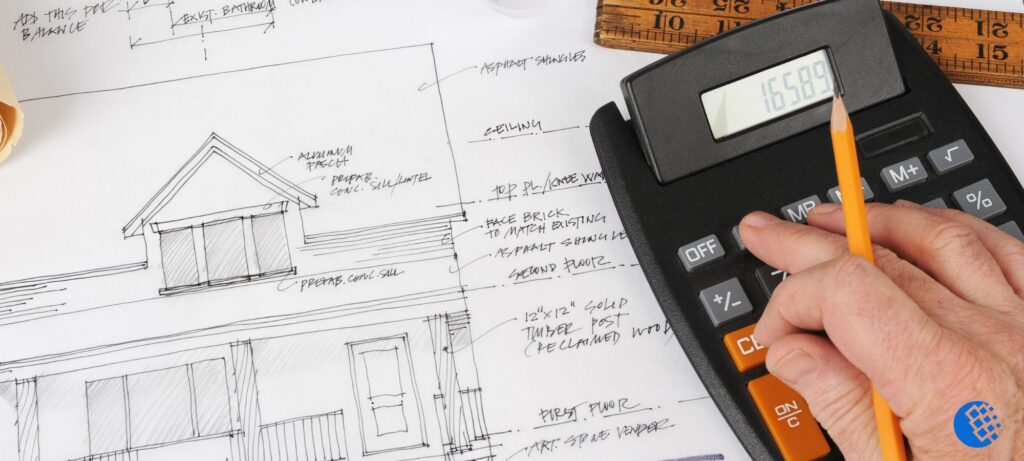
Construction projects are becoming increasingly competitive, and contractors have to make important financial decisions before a project even begins. A bid that is too high may cause a contractor to lose the opportunity, while an estimate that is too low can lead to reduced profits, budget problems, and financial losses during construction. For this reason, accurate estimating has become one of the most important parts of successful project planning.
Professional construction estimating services help contractors, builders, developers, and subcontractors understand the expected costs of a project before submitting a proposal. These services involve reviewing construction drawings, measuring quantities, analyzing labor and material costs, and preparing detailed estimates that can support better bidding decisions.
Electrical work is another area where accuracy is especially important. Electrical systems involve numerous materials, components, labor requirements, and installation details. Professional electrical estimating services can help contractors determine the expected cost of electrical installations and prepare more competitive bids.
Why Accurate Construction Estimating Matters
Every construction project begins with a budget. Before materials are purchased or workers arrive at the jobsite, contractors need to know how much the project is likely to cost.
An accurate estimate provides a financial roadmap for the project. It helps contractors determine material quantities, labor requirements, equipment expenses, subcontractor costs, overhead, and potential profit margins.
Without a reliable estimate, contractors may overlook important expenses. Small errors in individual quantities can become significant when multiplied across a large project.
For example, underestimating concrete, lumber, drywall, electrical components, or labor hours can create major budget differences. Accurate estimating allows these costs to be identified before the contractor commits to a project.
What Is Included in Construction Estimating?
Construction estimating covers much more than simply calculating the price of building materials. A complete estimate may involve several different cost categories.
Material Costs
Materials are often one of the largest components of a construction budget. Estimators review drawings and specifications to determine the required quantities of concrete, steel, lumber, drywall, roofing materials, finishes, fixtures, and other products.
Material prices can also vary based on location, supplier, availability, and project requirements. An estimator must account for these factors when developing a realistic budget.
Labor Costs
Labor is another major part of construction pricing. Estimators calculate the number of workers required, estimated working hours, productivity, and applicable labor rates.
A project may require different crews for excavation, concrete installation, framing, masonry, roofing, mechanical systems, electrical work, and finishing. Proper labor calculations help contractors avoid unrealistic assumptions.
Equipment and Machinery
Construction projects may require excavators, cranes, lifts, trucks, compressors, generators, and other equipment. Equipment costs can include rental charges, fuel, transportation, operation, and maintenance.
Including these expenses in the estimate gives contractors a more complete picture of the project’s actual cost.
Subcontractor Costs
Many construction projects involve multiple subcontractors. Plumbing, HVAC, electrical, roofing, concrete, fire protection, and other specialized trades may be completed by separate companies.
A detailed estimate should account for subcontractor pricing and clearly identify the scope assigned to each trade.
The Importance of Electrical Estimating
Electrical systems are an essential part of modern residential, commercial, and industrial buildings. They can include power distribution, lighting, wiring, panels, switches, outlets, emergency systems, communication systems, and other electrical components.
Because electrical work contains many individual components, estimating errors can quickly affect the overall project budget.
Professional electrical estimating services help contractors break electrical plans into measurable quantities and associated costs. The estimator may review electrical drawings, specifications, schedules, and equipment requirements to develop a detailed estimate.
Instead of relying on rough assumptions, contractors can use a structured estimate to understand the expected cost of the electrical scope.
What Does an Electrical Estimate Include?
An electrical estimate can include several categories depending on the project.
Electrical Fixtures and Devices
Estimators may quantify lighting fixtures, switches, receptacles, sensors, emergency lighting, exit signs, and other devices shown on the plans.
Wiring and Cables
Different projects require different types and sizes of conductors and cables. Estimators review the plans to determine quantities and specifications before assigning appropriate costs.
Panels and Distribution Equipment
Electrical panels, breakers, transformers, disconnects, switchgear, and distribution equipment can represent a significant portion of the electrical budget.
Accurate takeoffs help contractors understand how much equipment is required and where it is used.
Conduit and Raceway
Conduit and raceway systems protect and organize electrical wiring. Estimating these components requires careful review of electrical drawings and routing information.
Labor
Electrical installation can involve considerable skilled labor. The estimate should consider installation hours, crew requirements, productivity, and local labor rates.
How Estimating Supports Competitive Bidding
Winning construction work requires more than submitting the lowest possible price. Contractors need to submit bids that are competitive while still protecting their profit margins.
Accurate estimating provides the information required to find that balance.
If the estimate is too high, the contractor may lose the project to competitors. If it is too low, the contractor may win the project but struggle to complete it profitably.
A detailed estimate allows contractors to understand where their money is going before they finalize the bid.
Common Estimating Mistakes Contractors Should Avoid
Several mistakes can negatively affect a construction bid.
Missing Scope Items
One of the most common problems is failing to identify a portion of the project scope. A missing item may seem small individually but become expensive when the project progresses.
Incorrect Quantity Takeoffs
Incorrect measurements can result in purchasing too much or too little material. Both situations can increase project costs.
Outdated Pricing
Material and labor prices change over time. Using outdated pricing can make an estimate inaccurate, especially on projects with large material requirements.
Ignoring Waste
Construction materials may generate waste during cutting, installation, handling, or transportation. Estimates should account for reasonable waste factors where appropriate.
Failing to Review Project Specifications
Drawings alone may not provide all the information required for accurate estimating. Project specifications can contain important requirements related to materials, installation methods, quality standards, and equipment.
Technology Is Changing Construction Estimating
Modern estimating increasingly relies on digital tools and software. Estimators can use digital drawings, takeoff platforms, spreadsheets, estimating databases, and specialized construction software to improve efficiency.
Digital takeoffs can make it easier to measure quantities and organize project information. Estimating software can also help contractors maintain databases of material and labor prices.
For electrical projects, digital tools can simplify the process of identifying fixtures, devices, wiring, conduit, panels, and other components from drawings.
Technology does not eliminate the need for professional judgment, however. Drawings can contain revisions, unclear details, and project-specific requirements that require an experienced estimator to interpret.
Benefits of Outsourcing Estimating
Not every contractor has an internal estimating department. Smaller contractors may have limited staff, while larger companies may face periods when their estimating teams are overloaded with bids.
Outsourcing can provide additional estimating capacity without requiring a company to hire full-time staff for every project.
Professional estimating teams can assist with quantity takeoffs, cost calculations, bid preparation, and trade-specific estimating. This can allow contractors to focus more on project management, client relationships, and business development.
For companies handling several bids at once, outside estimating support can also help reduce the pressure on internal teams.
Better Estimates Lead to Better Decisions
The value of estimating extends beyond winning a bid. Accurate cost information can support decisions throughout the construction process.
Contractors can compare supplier prices, evaluate subcontractor proposals, identify expensive portions of the scope, and establish realistic budgets.
Detailed estimates can also help project teams monitor costs after construction begins. When the original estimate is well organized, actual project expenses can be compared against the planned budget.
This creates better financial visibility and can help contractors identify potential cost issues earlier.
Final Thoughts
Accurate estimating is one of the foundations of successful construction bidding. Contractors need reliable information about materials, labor, equipment, subcontractors, and other expenses before committing to a project.
Professional construction estimating services can provide the detailed cost information contractors need to prepare informed and competitive bids. At the same time, specialized electrical estimating services can help electrical contractors and general contractors accurately price complex electrical scopes.
As construction projects become more detailed and competitive, reliable estimating is no longer simply an administrative task. It is an important business function that can influence bidding, budgeting, profitability, and project planning.
Contractors who invest in accurate estimating can make more informed decisions, reduce avoidable pricing errors, and approach each new project with greater financial confidence.