

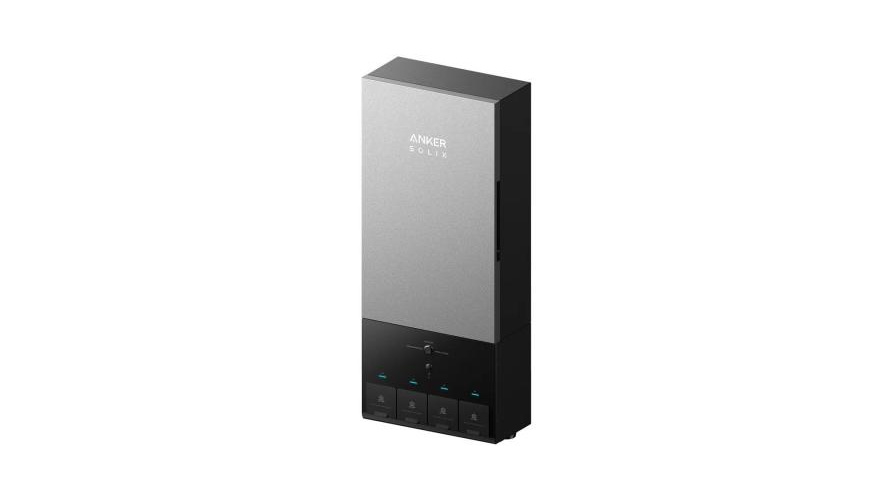
Whole home generator maintenance keeps backup power reliable when storms, grid failures, or utility work interrupt service. A clear checklist helps you catch small issues before they turn into no-start conditions, low output, battery failures, or fuel problems during an outage. Regular care also protects connected equipment, including transfer switches, breakers, and sensitive home systems. For battery-based backup systems with generator support, maintenance should cover both electrical performance and physical condition. For example, the Anker SOLIX E10 Whole-Home Backup combines battery, solar, and a 4.5kW smart generator with up to 10-30kW turbo output and seamless switchover of ≤20ms, so inspection should include battery status, ventilation, mounting condition, wiring, and backup source readiness. A schedule makes that work consistent and easy to follow.
Whole Home Generator Maintenance Checklist
Engine, Oil, Filters, Battery, and Fuel Checks
Start with a visual inspection of the generator enclosure, vents, and mounting area. Look for oil leaks, coolant drips, rust, loose panels, rodent nests, and blocked airflow. For reliable powerhouse generation, keeping the unit clean and free from physical damage helps maintain stable backup performance. Check engine oil level and condition, then change oil and the oil filter at the interval listed in your owner documentation. Inspect the air filter for dust buildup and replace dirty filters promptly. Test the starting battery, clean terminals, and confirm the charger is working. For fuel-fired units, inspect fuel lines, connections, and shutoff valves for wear or seepage. Make sure fuel supply is stable and fresh where applicable. Also review belts, hoses, clamps, and spark plugs so routine wear does not cause startup failure. Regular maintenance ensures your generator remains ready when dependable backup power is needed.
Electrical, Transfer Switch, and Exercise Checks
Inspect all visible electrical connections for corrosion, heat damage, frayed insulation, or loose terminations. Confirm the main breaker and control panel show normal status with no active alarms or fault codes. Check the automatic transfer switch for clean operation, secure wiring, and signs of arcing or moisture intrusion. Run the generator’s scheduled exercise cycle and verify it starts promptly, reaches normal operating speed, and carries load if your system supports loaded testing. Listen for irregular vibration, surging, or hunting during operation. Review remote monitoring alerts if available. For battery-backed systems, verify inverter communication, state of charge, and switchover response so the home transitions to backup power smoothly when utility service drops unexpectedly.
Generator Maintenance Schedule by Time and Runtime
Weekly, Monthly, and Annual Maintenance
Weekly maintenance should include a quick walkaround, status light check, and review of any alerts from the controller or app. Monthly, inspect oil level, battery health, fuel supply, airflow paths, and the area around the unit. Confirm the exercise cycle completed normally and note total runtime hours. Annual maintenance should be more thorough: change oil and filters as required, inspect spark plugs, test transfer switch operation, tighten electrical connections, clean the enclosure, and verify output under load. If your generator has seen heavy use, service it sooner based on runtime rather than the calendar. Keeping a written maintenance log helps track hours, completed tasks, and recurring issues before reliability drops during an emergency.
Maintenance Before and After Long Power Outages
Before a forecasted outage, confirm the generator is in auto mode, the battery is fully charged, and fuel or charging sources are ready. Clear debris from intake and exhaust areas, and test startup if the unit has not exercised recently. For hybrid systems, check battery capacity and solar input readiness. After a long outage, inspect the unit once it cools. Look for leaks, unusual odors, soot, vibration marks, and warning messages. Check oil level and top off or change it if runtime was significant. Inspect filters and battery condition, then review transferred load performance. If the generator ran continuously for many hours, schedule a full post-event service so wear does not carry into the next outage.
DIY Maintenance vs. Professional Generator Service
Generator Checks Homeowners Can Handle Safely
Homeowners can safely handle basic maintenance that does not require opening sealed electrical compartments or working on pressurized fuel systems. Safe tasks include checking status indicators, reviewing app notifications, clearing leaves and debris, confirming adequate ventilation, and inspecting for visible leaks or corrosion. You can usually test the exercise cycle from the controls, monitor battery charge, and keep a maintenance log with dates and runtime hours. For systems such as the Anker SOLIX E10, owners can also confirm wall or floor mounting remains secure, inspect the NEMA Type 4 enclosure for damage, and verify Wi-Fi or Bluetooth monitoring is online. Always follow shutdown steps and never bypass protective covers, breakers, or safety interlocks.
When to Call a Generator Technician
Call a generator technician when the system shows repeated fault codes, delayed starting, transfer switch problems, unstable voltage, fuel odors, fluid leaks, or visible wiring damage. Professional service is also the right choice for oil changes on units with difficult access, battery replacement, inverter diagnostics, software updates, and any work involving internal electrical components. If the generator struggles under load, fails its exercise cycle, or produces unusual smoke, shut it down and schedule service promptly. Technicians should also inspect systems after flooding, storm damage, rodent intrusion, or extended high-runtime events. A qualified pro can test output, verify safe grounding and bonding, and confirm the backup system will perform correctly during the next outage.
Conclusion
A whole home generator maintenance checklist should cover routine inspections, exercise testing, battery and fuel readiness, transfer switch operation, and service based on both time and runtime. That approach keeps backup power dependable and helps prevent the most common failure points, including weak batteries, dirty filters, low oil, and unnoticed electrical issues. Homeowners can manage simple visual checks and monitoring tasks, but professional service remains essential for diagnostics, internal repairs, and post-outage inspections after heavy use. The goal is straightforward: keep the system ready before the lights go out, not after. With a consistent schedule and accurate records, your generator or hybrid backup setup can respond quickly, power critical loads safely, and stay prepared for the next emergency.