
Snowfall prediction tips help you move from simply checking the weather to making clear winter decisions. A forecast that calls for three to six inches can affect travel time, school schedules, home heating, and backup power needs in very different ways depending on temperature, wind, and road conditions. Learning how snow forecasts work makes it easier to judge risk and prepare early. You can use snowfall estimates to decide when to reschedule trips, stock supplies, protect your home, and stay ahead of utility disruptions. The goal is not to predict every flake yourself. It is to understand what changes snow totals, what numbers matter most, and how to turn forecast information into practical steps that improve safety, comfort, and winter planning.
Key Factors That Can Change Snowfall Totals
Temperature, Moisture, Wind, and Snow Ratios
Small shifts in weather conditions can change snowfall totals fast. Understanding how much will it snow depends on several factors, including air temperature near the surface and higher in the atmosphere, which decide whether precipitation falls as snow, sleet, freezing rain, or rain. Moisture levels determine how much precipitation a storm can produce, while storm track affects where the heaviest snow bands set up. Wind also matters because it can blow snow into drifts, reduce visibility, and make conditions feel worse than the total snowfall suggests. Snow ratios are another key detail. Ten inches of snow does not always equal one inch of liquid. Colder, fluffier snow can pile up quickly, while wetter snow is heavier and more compact. Reading these factors helps you better judge forecasts and estimate how much snow will fall more accurately.
Snowfall vs. Snow Depth: Know the Difference
Snowfall and snow depth are related, but they are not the same measurement. Snowfall refers to how much new snow falls during a set period, such as six, twelve, or twenty-four hours. Snow depth describes how much snow is actually on the ground at a given time. Depth changes because snow compacts, melts, blows away, or settles under its own weight. A forecast for eight inches of new snow does not guarantee an eight-inch increase in depth by morning. This difference matters for shoveling, driving, and estimating roof load. When you read a winter forecast, check whether it is reporting expected accumulation, current ground depth, or both before making plans.
Snowfall Prediction Tips for Better Winter Decisions
Track Forecast Updates and Local Snow Conditions
The best snowfall prediction tip is to follow forecast updates, not just the first number you see. Snow totals often shift as storm timing, temperature profiles, and storm tracks become clearer. Check short-term updates the day before and the day of the event, especially when the forecast sits near the freezing mark. Pay attention to hourly conditions, winter weather alerts, and radar trends in your immediate area. Local elevation, pavement temperature, and lake or coastal effects can create very different conditions within a short distance. Ground reports also help. If roads are already icy or snow is sticking early, impacts may arrive before the highest totals do. Updated local context leads to smarter planning.
Turn Snow Predictions Into a Winter Action Plan
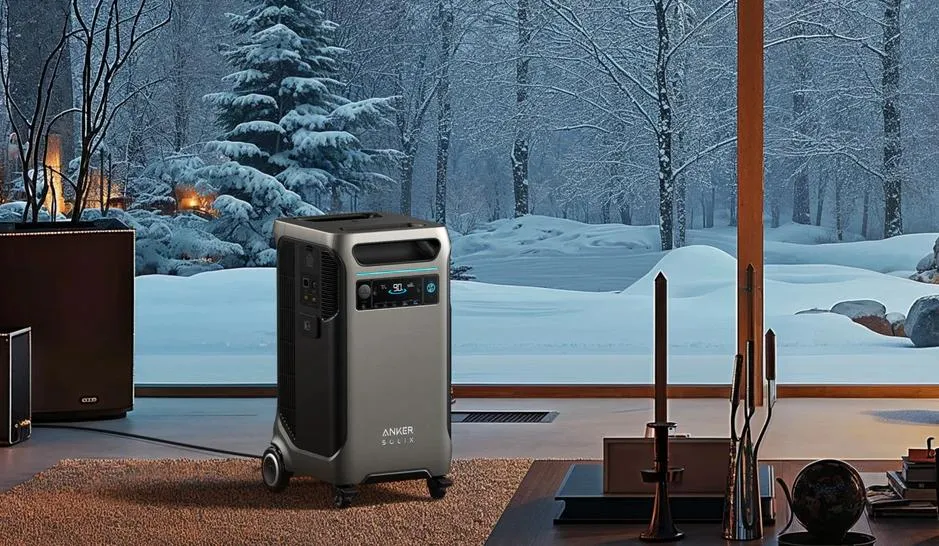
A useful snow forecast should lead to specific action. If a forecast shows light accumulation, plan for extra travel time and slick spots. If moderate or heavy snow is likely, move errands earlier, charge devices, refuel vehicles, and check food, medicine, and heating supplies. Snow combined with wind or ice calls for a stronger response because outages and dangerous roads become more likely. At home, clear drains, stage shovels, and protect exposed pipes before precipitation starts. If you rely on backup power, prepare early. The Anker SOLIX E10 Whole-Home Backup offers 10-30kW turbo output, 6-90kWh battery expandability, ≤20ms seamless switchover, and support for battery, solar, and smart generator backup, helping households stay ready during severe winter weather.
Plan Your Home and Travel Before Heavy Snow Arrives
Prepare for Roads, Ice, and Changing Travel Conditions
Heavy snow affects more than visibility. Road temperature, untreated bridges, and blowing snow can quickly make driving hazardous even before major accumulation develops. Check the route, departure time, and forecast trend together. If snowfall rates increase during your travel window, leave earlier or postpone the trip. Keep your vehicle prepared with washer fluid rated for freezing temperatures, a scraper, traction aid, blankets, water, and a fully charged phone. Maintain a wider following distance and reduce speed smoothly to avoid skids. Watch for changing conditions at higher elevations and shaded areas where ice forms first. The safest winter travel plan starts before the storm, not after roads become difficult or closures begin.
Get Ready for Snow-Related Power Outages at Home
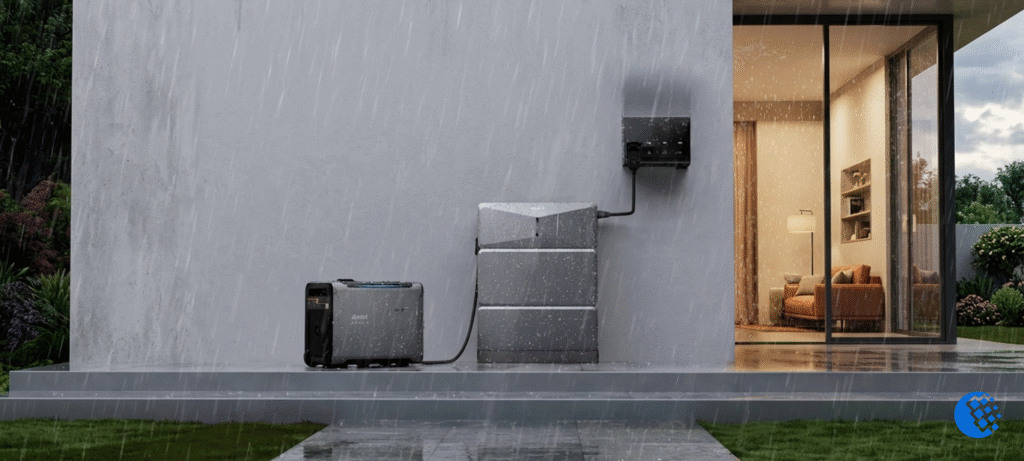
Wet snow, ice buildup, and strong wind can bring down trees and power lines, so outage planning should happen before the first flakes fall. Charge phones, flashlights, battery packs, and medical devices early. Set refrigerators and freezers colder in advance, gather extra blankets, and make sure you have safe indoor lighting. If your home uses electric heat or well water equipment, backup power becomes even more important during prolonged storms. Place critical supplies in one easy-to-reach area so you do not search in the dark. For homes in flood-prone or coastal areas, elevated wall-mounted backup equipment adds protection. A solid outage plan keeps communication, heat, and essential appliances available when winter weather strains the grid.
Conclusion
Snow forecasts become much more useful when you know what changes totals and how to respond before conditions worsen. Temperature, moisture, wind, and snow ratios all shape accumulation, while the difference between snowfall and snow depth helps you interpret what the forecast really means for roads, walkways, and property. Tracking updates close to the event gives you the clearest picture, especially when local terrain or borderline temperatures are involved. The smartest approach is simple: turn each forecast into an action plan for travel, home preparation, and backup power. With better snowfall prediction tips, you can avoid last-minute decisions, reduce winter risk, and stay more comfortable through storms that might otherwise disrupt your schedule, safety, and daily routine.