The best portable power station for camping delivers enough battery capacity for your gear, enough output for essential appliances, and a size you can carry without hassle. Expert picks focus on real outdoor use: charging phones, lights, cameras, CPAP machines, small coolers, and cooking accessories across short weekend getaways or longer off-grid trips. A good unit should also recharge efficiently from wall power, a vehicle, or solar panels when you are away from outlets. By comparing runtime, wattage, portability, and charging flexibility, campers can choose a portable power station that fits their trip style and avoids both underpowered and oversized options.
Key Features Experts Consider When Choosing a Camping Power Station
Battery Capacity and Runtime for Outdoor Activities
Battery capacity, measured in watt-hours, tells you how long a portable power station can run camping essentials before needing a recharge. Experts match capacity to actual use rather than guesswork. Smaller capacities work well for phones, headlamps, tablets, speakers, and camera batteries during overnight trips. Mid-to-large capacities support longer runtimes for electric coolers, fans, laptops, CPAP machines, and camp lighting over several days. The key is estimating daily energy use and adding a margin for cloudy weather, colder temperatures, or unexpected charging needs, so your power station remains dependable throughout the trip.
Output Power for Camping Appliances
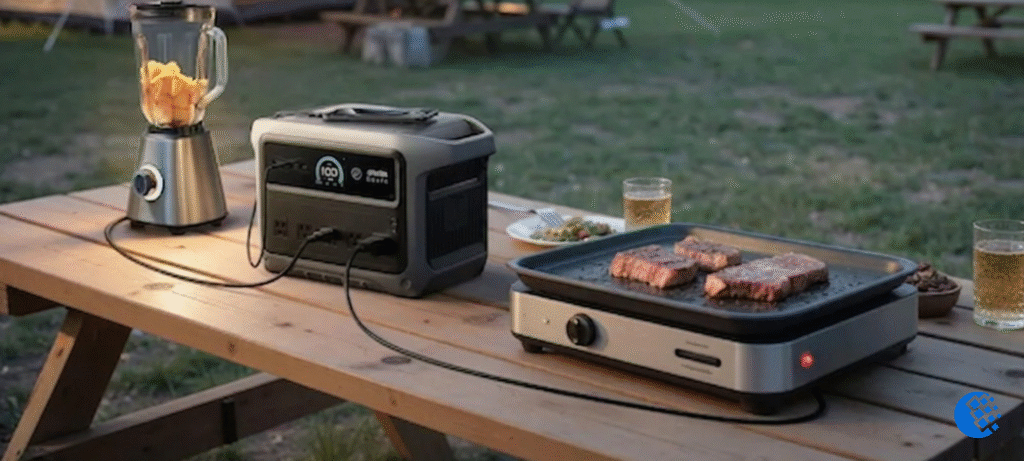
Output power, measured in watts, determines which camping appliances a power station can run safely. Experts look at both continuous output and surge capacity, since some devices need extra power when starting up. Low-wattage stations are fine for charging electronics, powering LED lights, or running small personal devices. Higher output is important for equipment like portable fridges, coffee makers, electric kettles, cooktops, or power tools used at camp. Checking the watt rating of each device prevents overloads and shutdowns. The best portable power station should comfortably support your must-have gear, not just the smallest items.
Weight, Portability, and Carrying Convenience
Portability matters just as much as power when camping, especially if you need to move your gear from the car to a tent site, picnic area, or remote setup. Experts weigh battery size against carrying comfort, handle design, overall footprint, and how easily the unit fits in packed storage spaces. A lighter station is ideal for weekend trips, day use, or minimal setups where convenience comes first. Larger models offer more energy but can be less practical for frequent carrying. The best camping power station balances runtime with manageable weight, so it supports outdoor use without becoming another bulky item.
How to Choose the Right Camping Portable Power Station?
Match Power Needs With Trip Duration
Start by listing what you plan to power and how long you will be away. For a one- or two-night trip, many campers only need enough energy for phones, lanterns, a speaker, and occasional laptop charging. Multi-day camping often requires more capacity for coolers, fans, drone batteries, or medical devices. Calculate approximate daily watt-hour use, then choose a station that covers the full trip with reserve power. This approach gives a clear answer: short trips usually favor lighter models, while extended outings call for higher-capacity portable power stations that can handle repeated daily use reliably.
Consider Charging Options and Weather Conditions
A strong camping setup includes flexible recharging, not just stored battery power. Experts recommend checking whether the station can recharge from a wall outlet before departure, a car socket during travel, or solar panels at camp. Solar compatibility becomes especially useful on longer trips, but weather still matters. Cloud cover, tree shade, and shorter winter daylight can reduce solar input, so capacity planning should account for those limits. Fast AC recharging is also valuable when preparing between trips. Choosing a model with versatile charging options helps maintain power availability even when campsite conditions are less predictable.
Anker SOLIX Portable Power Stations for Camping
Compact Models for Weekend Adventures
For campers who want easy portability and enough power for essentials, the compact SOLIX C300 is built for portable outdoor use. It offers 288Wh capacity and 300W output, making it a practical fit for weekend adventures focused on smaller devices such as phones, lights, cameras, tablets, and other everyday gear. Its multiple charging ports add convenience when several devices need power at once. This type of compact power station works best for short trips where mobility matters more than running heavy appliances. It keeps basic campsite electronics powered without adding unnecessary size or weight to your load.
Higher-Capacity Models for Extended Outdoor Trips
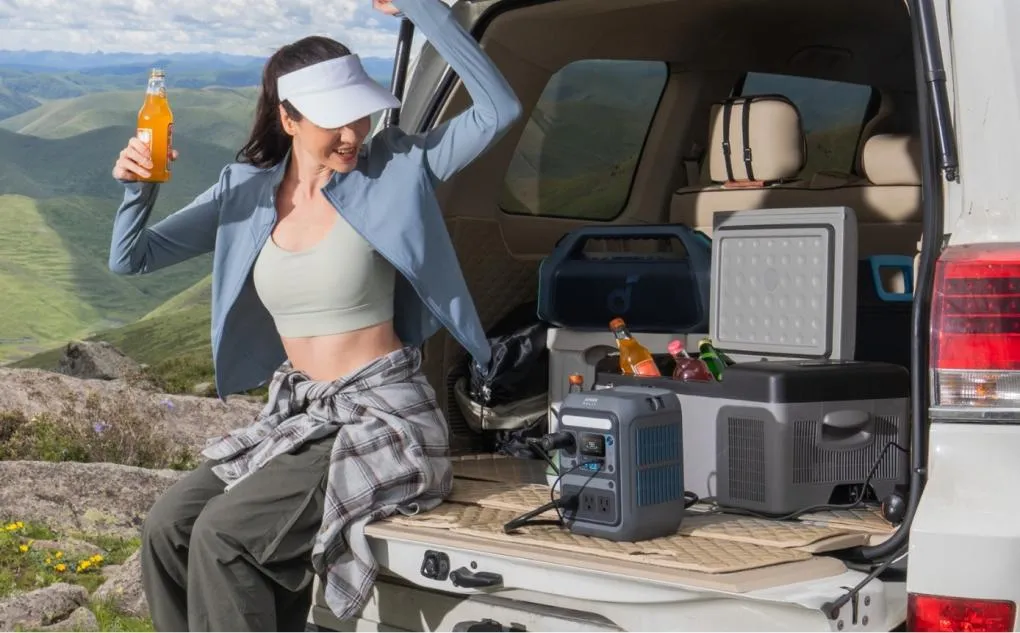
For longer camping trips or setups that include more demanding equipment, the SOLIX C1000 Gen 2 is the stronger choice. It provides 1,024Wh capacity, 2,000W output, and support for 600W solar input, along with fast recharge capability. That combination makes it well-suited for powering appliances, laptops, outdoor equipment, and other higher-draw essentials over multiple days. Campers who need dependable energy for comfort and productivity benefit from the extra reserve and stronger output headroom. It is a practical option when your trip requires more than device charging and calls for sustained, versatile off-grid performance.
Conclusion
The best portable power station for camping is the one that matches your real energy use, trip length, and carrying preferences. Experts prioritize four things: enough battery capacity for reliable runtime, sufficient wattage for your appliances, practical portability, and flexible recharging from wall, car, or solar sources. For lighter weekend use, a compact model can cover essentials without taking up much space. For longer trips, a higher-capacity unit gives you more freedom to power appliances and work gear confidently. By choosing with these factors in mind, campers can get dependable off-grid power that supports comfort, convenience, and safety outdoors.