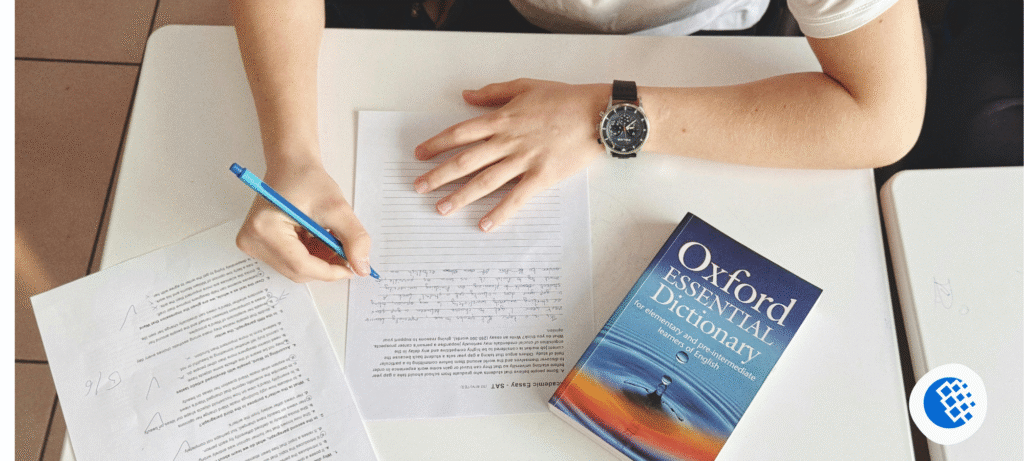

Studying abroad? It’s one of those life-changing experiences that’ll stick with you forever, the kind of adventure that reshapes how you see the world and yourself. But here’s the thing: before you can dive into late-night study sessions in European cafés or weekend trips to ancient temples, you’ve got a mountain of paperwork to tackle. Nobody talks about this part much, do they? Yet getting your documents sorted early can mean the difference between a smooth journey and a stress-filled scramble at the last minute. Let’s walk through the five essential document categories you’ll need to organize, so you can spend less time worrying about bureaucracy and more time planning which countries you’ll explore on your semester breaks.
Valid Passport with Sufficient Validity Period
Think of your passport as your golden ticket to the world, without it, you’re not going anywhere. Sounds obvious, right? But you’d be surprised how many students realize too late that their passport expires mid-semester. Here’s what catches people off guard: most countries won’t let you in unless your passport stays valid for at least six months after you plan to leave. Some countries push that to a full year.
While you’re at it, flip through those pages and count the blank ones. Immigration officers need space for their stamps and visas, and running out of pages halfway through your adventure isn’t fun. Starting the passport application or renewal process six months before departure gives you breathing room if something goes wrong. And here’s a pro tip that’s saved countless travelers: make several certified copies of your passport’s main page, tuck them in different bags, and upload a scan to secure cloud storage.
Student Visa and Immigration Documentation
Now we’re getting to the heavy hitter, the student visa. This isn’t just another form to fill out; it’s the legal permission to study in your chosen country, and it comes with its own maze of requirements. Every country plays by different rules, which can feel overwhelming when you’re comparing processes. Generally speaking, you’ll need your university acceptance letter, proof that you won’t go broke halfway through the semester, and evidence that you’re planning to head home once you’ve earned that degree.
What surprises many students? The extras. Health screenings, police background checks, fingerprinting appointments; the list varies wildly depending on where you’re headed. Embassy appointments can book up months in advance, especially during peak application seasons. That’s why starting this process four to six months early isn’t being overly cautious; it’s being realistic.
Academic Records and Educational Certificates
Your academic history follows you abroad, and universities take it seriously. You’ll need official transcripts from every school you’ve attended, and by official, we mean sealed envelopes with proper stamps that prove nobody’s tampered with them. If you’re moving between different educational systems (say, from the US to Europe or Asia), credential evaluation services might need to verify that your grades translate correctly. It’s one more step, sure, but it’s non-negotiable.
Don’t forget about those standardized test scores either, TOEFL, IELTS, GRE, GMAT, whatever your program requires. Order them early because educational institutions aren’t exactly known for their speed, and rush processing fees can sting. Letters of recommendation deserve special attention too. Give your professors plenty of notice (at least a month) rather than ambushing them the week before deadlines.
Comprehensive Health and Medical Records
Here’s where things get personal, your health records. Universities and immigration offices want proof that you’re healthy enough to study abroad and won’t be bringing any preventable diseases into their country. Schedule a comprehensive checkup with a doctor who knows the health requirements for your destination. This isn’t your standard annual physical; you’re looking for someone familiar with international student health protocols.
Vaccination records become incredibly important here. Measles, mumps, rubella, tuberculosis, meningitis, these are just the starting lineup. Some countries add region-specific requirements based on local health concerns. Dig up those childhood immunization records or be prepared to get re-vaccinated.
Health insurance documentation is another crucial piece. Many universities either provide mandatory insurance plans or require proof of coverage that meets specific standards. Research these requirements early so you’re not stuck buying expensive last-minute coverage. And here’s something many students overlook: if you’re planning to explore your host country by car or want the freedom to rent vehicles during your travels, completing an international driving permit application before you leave home saves enormous hassle later. It lets you drive legally across multiple countries without jumping through hoops to get local licenses everywhere you go.
Financial Documentation and Proof of Funds
Let’s talk money, specifically, proving you have enough of it. Immigration authorities and universities need confidence that you won’t run out of funds halfway through the semester and end up working illegally or becoming a financial burden. Bank statements from the past three to six months typically form the foundation of this proof. They’re looking for consistent balances that comfortably exceed minimum requirements, not accounts that suddenly got a big deposit the week before your visa interview.
If parents or sponsors are footing the bill, you’ll need notarized affidavits of support backed up by their financial documents, bank statements, employment letters, tax returns, the works. Scholarship letters and financial aid awards should be readily accessible too. Different countries calculate required funds differently, but most multiply estimated living expenses by your program length and add tuition on top. It adds up quickly, so your documentation needs to show access to the full amount.
Consider the practical side too: open a bank account that handles international transfers smoothly and provides statements in formats immigration offices accept. Property deeds, investment statements, or other assets can strengthen your application by demonstrating financial stability and ties to home. These extras show you’ve got reasons to return after graduation, which immigration officers love to see. It might feel invasive sharing this much financial information, but it’s part of the deal.
Conclusion
Getting all these documents together isn’t exactly the glamorous part of studying abroad, nobody daydreams about organizing paperwork. But doing it right transforms a potentially chaotic process into a manageable checklist. Start early, stay organized, and you’ll navigate everything from visa applications to airport immigration with confidence instead of panic. Think of document preparation as the foundation supporting everything else: once it’s solid, you’re free to focus on the exciting stuff like choosing classes, finding housing, and planning adventures.
Requirements can shift without warning, so stay in touch with your university’s international student office and check official immigration websites regularly. Create backups of everything, physical copies in different locations and digital versions in secure cloud storage. When you’re standing at an immigration desk or registering with local authorities, having documents at your fingertips just feels good. Yes, this preparation takes time and attention to detail.