
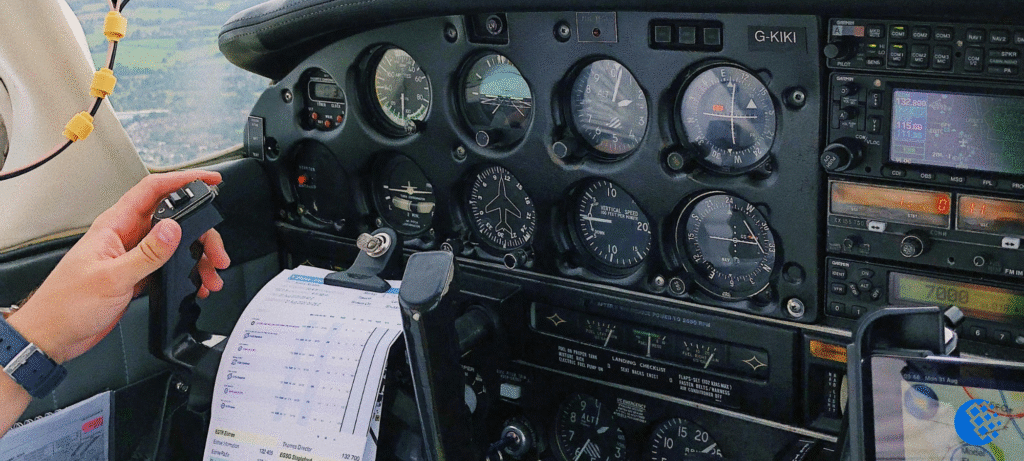
There’s something truly captivating about the idea of becoming a pilot, soaring through clouds, commanding a powerful aircraft, and experiencing a freedom that most people only dream about. But here’s the thing: the path from aspiring aviator to licensed pilot involves much more than just learning to handle the controls. Aviation demands serious dedication, substantial financial resources, and a level of commitment that can catch even the most enthusiastic candidates off guard. Before you start down this exhilarating but challenging road, it’s worth taking a clear-eyed look at what actually lies ahead.
The Financial Investment Required for Flight Training
Let’s talk money first, because it’s often the biggest surprise for aspiring pilots. Getting your Private Pilot License typically costs anywhere from fifteen to twenty-five thousand dollars, and that’s just the beginning. If you’re aiming for a Commercial Pilot License with instrument ratings, you’re looking at easily seventy thousand dollars or more. These aren’t inflated numbers; they cover everything from aircraft rental and instructor fees to ground school, testing, medical exams, and all those study materials you’ll need along the way.
And it doesn’t stop once you’re licensed. You’ll face ongoing expenses to maintain currency requirements, complete rental checkouts at different facilities, and pursue continuing education. That’s why creating a detailed budget before you begin becomes absolutely essential. Look into financing options early, loans, scholarships, even employer sponsorship programs if you’re lucky enough to have access to them.
Medical Requirements and Physical Standards
Here’s something critical that too many aspiring pilots overlook: you need to meet strict medical standards to fly, and discovering you don’t qualify after spending thousands on training is heartbreaking. That’s why getting a medical certificate should be one of your very first steps, even before booking your initial flight lesson. The FAA requires different classes of medical certificates depending on what type of flying you’re planning to do, with commercial pilots facing more rigorous examinations than private pilots. These evaluations dig deep into vision, hearing, cardiovascular health, neurological function, and mental health status.
Certain medical conditions, medications, or even past medical histories can temporarily or permanently ground your pilot dreams. Conditions like insulin-dependent diabetes, specific psychiatric disorders, epilepsy, and cardiovascular disease can present serious hurdles. That’s not to say they’re automatic disqualifiers, some conditions that initially seem problematic can actually be managed through special issuance processes. However, these require extra documentation, time, and often additional expense.
Time Commitment and Training Duration
If you’re thinking flight training is something you can squeeze in casually between other commitments, think again. Most students pursuing a Private Pilot License need anywhere from six months to two years to complete their training, and that timeline depends heavily on how consistently they can fly and study. Here’s why consistency matters so much: infrequent lessons lead to skill degradation, which means you’ll spend valuable time and money relearning maneuvers you’ve already practiced. It’s frustrating and expensive.
The time commitment extends well beyond the cockpit, too. Ground school instruction, pre, flight planning, post-flight debriefing sessions, and home study add considerable hours to your schedule. For those eyeing commercial aviation careers, the journey from complete beginner to airline-ready pilot typically spans three to five years of intensive training and hour-building. Weather delays, unexpected aircraft maintenance, and instructor availability can push these timelines out even further.
Balancing flight training with work, family, and other life obligations requires careful planning and genuine commitment. Understanding this time investment upfront helps you prepare mentally and gives you the chance to communicate realistic expectations with family members and employers. Their support will become invaluable as you navigate this demanding but ultimately rewarding journey.
The Technical Knowledge and Systems Understanding Required
Modern aviation isn’t just about having good hand-eye coordination and enjoying the view from above. Today’s pilots need comprehensive technical knowledge that spans multiple disciplines, aerodynamics, meteorology, navigation, aircraft systems, regulations, and human factors all play crucial roles in safe flight operations. You’ll need to understand how weather systems develop and affect aircraft performance, which becomes critical when planning flights and making decisions in the air. Navigation encompasses everything from traditional pilotage and dead reckoning to modern GPS systems and sophisticated avionics that require substantial training to operate effectively.
Aircraft systems knowledge alone represents a significant learning challenge. You’ll study engines, electrical systems, fuel systems, hydraulics, and the increasingly sophisticated electronic equipment that modern aircraft use for communication, navigation, and safety. The technological complexity keeps growing, which means pilots must stay current with evolving systems throughout their entire careers. When verifying instrument functionality and system performance, professionals who need to test aircraft electronics in various flight conditions rely on quality avionics test equipment to ensure accurate readings and proper operation.
The learning curve doesn’t flatten out once you earn your license, it continues throughout your career as aircraft become more sophisticated and regulations evolve. If you struggle with technical concepts or find the idea of continuous learning unappealing, aviation might prove more challenging than you anticipate. Successful pilots embrace their role as perpetual students, regularly studying and reviewing technical information to maintain and expand their knowledge base. It’s this commitment to ongoing learning that separates truly safe, competent pilots from those who merely meet minimum standards.
Career Realities and Job Market Conditions
The aviation job market can be notoriously unpredictable, and aspiring pilots need to understand this reality before committing to the career path. While pilot shortages occasionally create excellent employment opportunities with competitive pay and benefits, economic downturns, fuel crises, and global events can rapidly shift conditions toward pilot surpluses, where experienced aviators compete fiercely for limited positions. Entry-level commercial pilot positions often require substantial experience beyond basic licensing, creating that challenging catch, 22 scenario where you need experience to get hired but need employment to gain that experience.
Building the flight hours required for airline positions typically means taking lower-paying jobs as flight instructors, banner towers, or cargo pilots, sometimes for years before you’re eligible for major airline positions. The seniority system that governs airline pilot careers means your career progression, scheduling preferences, and pay scales depend heavily on how long you’ve been with a specific carrier. Changing airlines often means starting over at the bottom of the seniority list, regardless of your total experience. That’s a tough pill to swallow after years of building your career.
Geographic flexibility becomes crucial since pilot bases and job opportunities tend to concentrate in specific locations. You might need to relocate for the right opportunity, and not everyone can or wants to do that. Understanding these career realities, including the possibility of furloughs during industry downturns and the often lengthy path to captain positions at major carriers, helps you set appropriate expectations. Take time to research current market conditions, network with working pilots who can share their experiences, and develop backup plans.
The Lifestyle and Schedule Challenges
The pilot lifestyle differs dramatically from typical nine-to-five employment, and that reality deserves serious consideration before you commit. Commercial pilots frequently work irregular schedules that include nights, weekends, holidays, and extended trips away from home. Circadian rhythm disruptions from crossing time zones and maintaining irregular sleep patterns can take a real toll on your health and personal relationships over time. The unpredictability factor is significant, weather delays, mechanical issues, and operational needs can throw carefully made personal plans out the window at a moment’s notice.
Many pilots spend considerable time in hotels, essentially living out of suitcases and maintaining relationships through phone calls and video chats rather than face-to-face interaction. The physical demands include managing fatigue, staying healthy while traveling constantly, and adapting to varying climates and environments. Family life requires special consideration since you’ll likely miss important events, holidays, and those daily family routines that others take for granted. Relationships can strain under the pressure of frequent absences and the challenges of maintaining meaningful communication across time zones and busy schedules.
That said, the lifestyle isn’t all sacrifice. The schedule also offers unique benefits, including extended time off between duty periods and opportunities to explore destinations worldwide that most people only visit once or twice in a lifetime. The key is understanding how this lifestyle aligns with your personal values, family situation, and life goals. Have honest conversations with family members about these realities and develop strategies together for maintaining strong connections.
Conclusion
Becoming a pilot opens doors to extraordinary experiences and career opportunities that few other professions can match. But success in aviation doesn’t come from passion alone, it requires a clear-eyed understanding of the substantial commitments involved in both training and long-term career development. The financial investment, medical requirements, time dedication, technical knowledge demands, career market realities, and lifestyle considerations all deserve thoughtful evaluation before you take that first flight lesson. Aspiring pilots who invest time in thorough research, develop comprehensive plans, and commit fully to the process give themselves the best possible chance of success in this challenging yet deeply rewarding profession.