

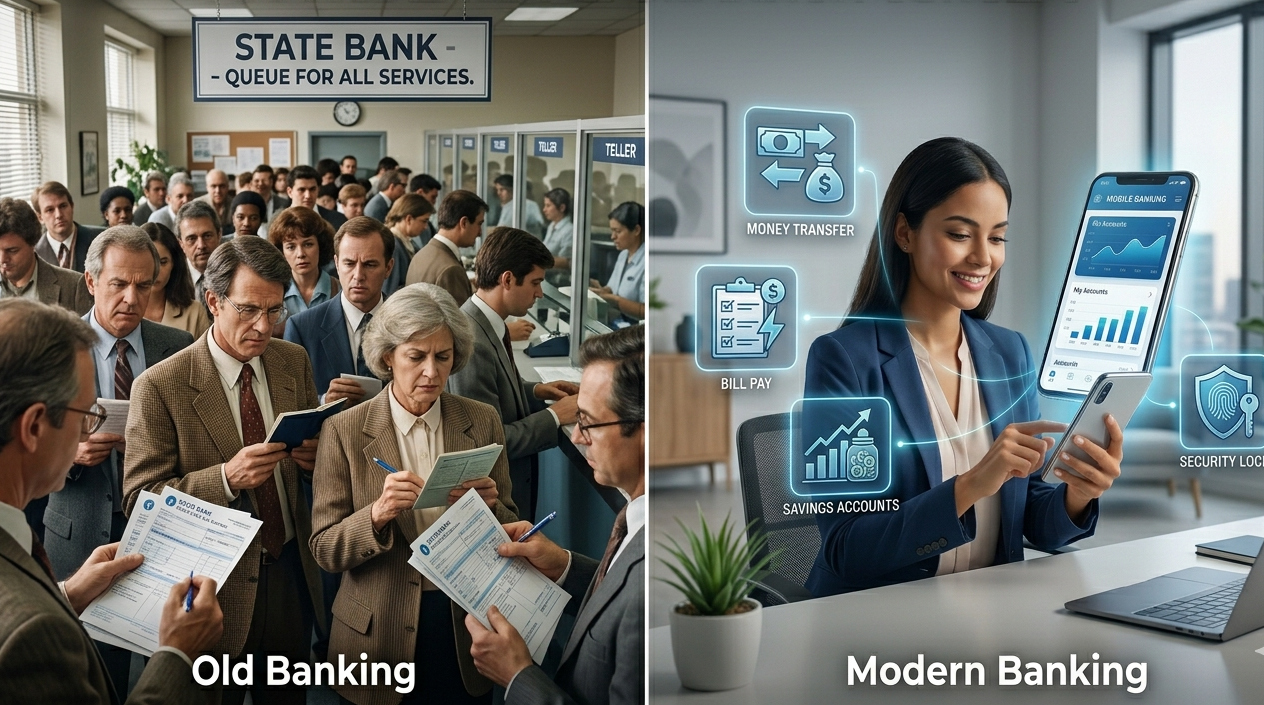
Let’s take a second to look back at how we used to handle money just a generation or two ago. Back then, if you needed to check your available cash, move some savings around, or pay off a utility bill, you had to get in your car, drive to a local branch, find a place to park, and wait in a sluggish line. It was a massive chore.
Thankfully, that entire headache is a thing of the past. Instead of arranging your entire day around a physical bank’s operating hours, you can take care of almost every single financial task directly from a smartphone or laptop. The actual benefits of online banking have completely rewritten our relationship with personal finance, throwing a massive amount of speed, control, and real-world convenience right into our pockets.
What Are the Benefits of Online Banking?
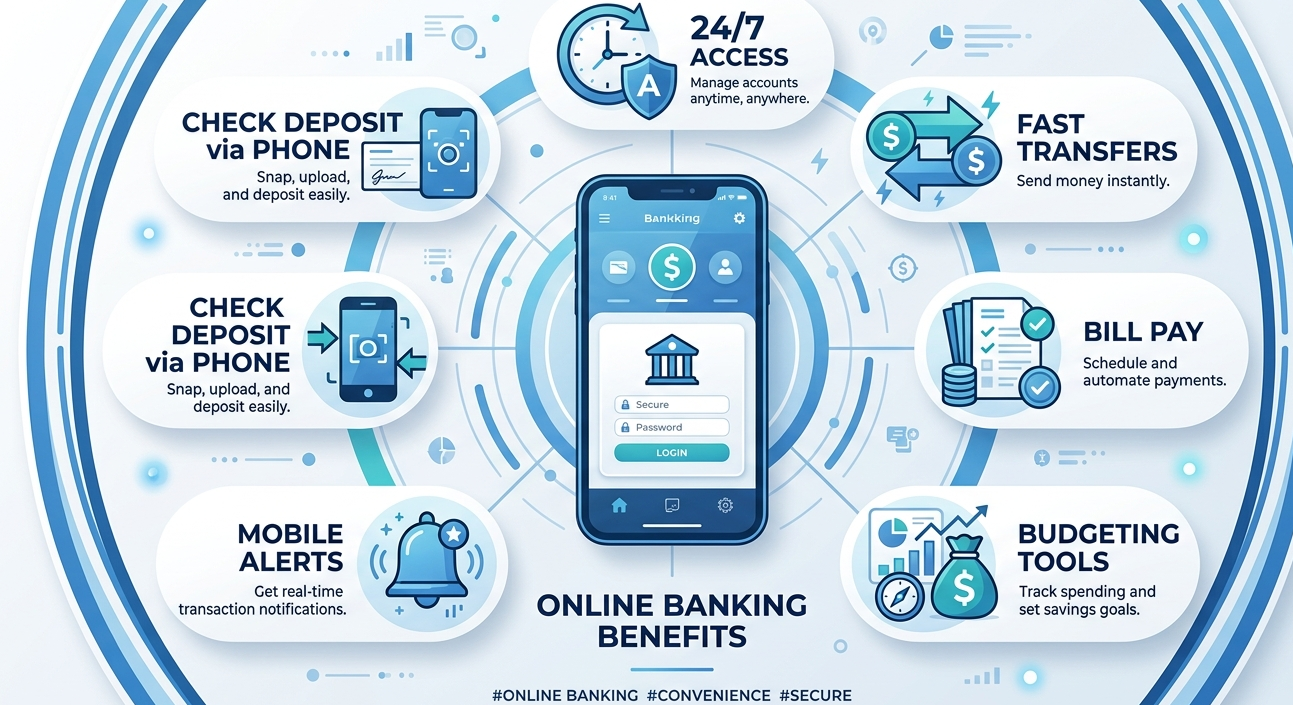
To put it plainly, online banking lets people manage their personal money safely and securely at literally any hour of the day or night. The absolute standout advantages you get are round-the-clock 24/7 access to your accounts, incredibly fast fund transfers, automated bill pay systems, built-in budgeting dashboards, and the fact that you almost never have to set foot inside a concrete bank branch again.
These digital upgrades haven’t just made life easier for everyday folks; they have completely streamlined how massive financial systems run behind the scenes. Behind those clean phone apps, major banks rely on incredibly heavy corporate technology like Asset Liability Management Software to monitor daily cash movements, analyze market risks, and make sure consumer money stays balanced and safe.
12 Key Benefits of Online Banking
Ditching the old-school brick-and-mortar routine means you get to stop wasting hours every month on bank runs. Here is a realistic breakdown of the major day-to-day perks you unlock when you manage your money on a digital screen:
1. True 24/7 Account Availability
Local bank branches love to keep strict banker’s hours and shut down early on Saturdays. With a digital account setup, things never close. If you want to review a payment at 2 AM or send cash to someone on a holiday weekend, the system works instantly.
2. Total Freedom to Bank Anywhere
It doesn’t matter if you are lounging on your couch in sweatpants, sitting at your work desk, or traveling across the globe. As long as your phone or computer has a steady internet connection and a secure login setup, your entire financial world goes with you.
3. Much Faster Money Transfers
Writing out paper checks or pulling out thick envelopes of physical cash to give to a friend or vendor feels ancient. Digital banking lets you move funds between accounts or send money directly to someone else’s bank with just a couple of taps.
4. Set-It-and-Forget-It Bill Paying
Forgetting a credit card bill or a utility payment is a nightmare that ends in steep late fees and drops in your credit score. Digital portals fix this by letting you set up automated schedules so your bills take care of themselves on time, every month.
5. Live Tracking of Every Dollar Spent
Waiting on a monthly paper statement to show up in your mailbox is too slow. Online banking gives you a live feed of your account activity. The exact moment a charge hits your debit card, you see it, which makes catching fraud incredibly easy.
6. Automated Budget Tools
A lot of modern banking applications will automatically sort your spending into simple visual graphs. You can see precisely how much of your paycheck is going toward dining out, groceries, gas, or rent, making it way easier to hit your savings goals.
7. Zero Paper Clutter
You can finally stop filing away piles of paper bank statements inside desk drawers. Digital banking platforms store years of your transaction history securely online, so you can easily pull up official PDFs whenever you need them for loans or taxes.
8. Fewer and Lower Fees
Because internet-only banks don’t have to spend massive amounts of money on building rent, electricity, and local staff, they pass those savings down. You end up with checking accounts that carry no monthly maintenance fees and pay much higher interest.
9. Custom Phone Alerts
You can easily set up quick text messages or push notifications that tell you the second your balance drops past a certain level, or if a large withdrawal happens. It works like a personal security guard that watches your cash around the clock.
10. Depositing Checks via Your Camera
You don’t have to find an ATM just to deposit a physical check anymore. You just open your bank’s app, take a quick, clear picture of the front and back of the check, and the money gets processed safely into your balance in no time.
11. Effortless Account Management
Opening a brand-new savings account or checking your car loan balance takes seconds online. This kind of fast access is huge when dealing with life milestones, like figuring out the Differences Between Bank Housing Loans and Licensed lenders so you don’t get trapped in a bad mortgage deal.
12. Complete Control of Your Money
Having your balances, investments, and payment histories laid out on one clean screen gives you genuine independence. You don’t have to wait on a branch teller to explain your own finances to you—you have the whole picture right in front of your eyes.
Benefits of Internet Banking for Customers
When you look closely at the direct benefits of internet banking for customers, the biggest shift is how much control you get back over your free time. The traditional way of banking forced you to spend your lunch hour running errands or take time off work just to sit with a representative. Moving your financial life online completely cuts out that waste of time.
Plus, dealing with digital forms eliminates annoying human mistakes. When you enter a routing number or a payment amount yourself, the software locks it in instantly and accurately, meaning your money lands precisely where it needs to go without getting delayed by messy handwriting or manual typing errors at a desk.
Benefits of Online Banking for Business
It isn’t just regular people saving time here; the distinct benefits of online banking for business owners are an absolute lifesaver. Running a company requires keeping a non-stop eye on daily cash flow, paying suppliers, and making sure workers get paid on time.
- Hands-Off Payroll: Business profiles let you establish automated direct deposits for your whole staff, so you can stop cutting physical paper checks every single week.
- Smart Employee Access: You can give your business partner or accountant their own login details to see transactions without handing over your master password or letting them move money around.
- Fast Expense Tracking: Keeping business expenses away from your personal cash is incredibly straightforward when you can download clean spreadsheets of your card spending straight into your company accounting software.
Online Banking vs. Traditional Banking
Even though traditional physical banks have rolled out some great apps lately, there are still massive structural differences you should consider before picking where to keep your money.
| Feature | Online-Only Banking | Traditional Branch Banking |
| Branch Access | Done entirely through your screens. | In-person service at a local physical building. |
| Account Fees | Usually completely free with zero monthly charges. | Monthly maintenance fees are common unless you hold a high balance. |
| Interest Rates (APY) | Much higher yields on your savings. | Usually fractional, near-zero interest returns. |
| Depositing Cash | Handled at network ATMs or partner store registers. | Walk right up to a local teller or branch machine. |
| Getting Support | Done via phone calls, live chat, or email tickets. | Sit down face-to-face with a local branch manager. |
Is Online Banking Actually Safe?
It is totally natural to worry about digital security when your hard-earned savings are traveling across the internet. The reality is that modern financial companies spend a massive amount of their budgets on cybersecurity to ensure accounts stay completely locked down.
Banks protect your data using high-level encryption, which turns your account numbers into unreadable code so thieves can’t read them. They also use Multi-Factor Authentication (MFA), which means if someone steals your password, they still can’t log in without entering a special, temporary code sent straight to your personal phone.
For absolute peace of mind, oversight groups like the Federal Deposit Insurance Corporation suggest double-checking that your digital bank is fully insured, which legally protects your balances. Taking a look at security guides from major institutions like Bank of America is also a smart way to learn how to spot weird phishing scams and avoid clicking on dangerous links.
Advantages and Disadvantages of Digital Banking
To make the smartest financial choices, you need to weigh both sides of the situation clearly. Here is a realistic look at the pros and cons of moving your money online:
The Pros
- Incredible convenience and hours of saved time every single month.
- Absolute control over automated bill scheduling and fast peer-to-peer payments.
- Way better interest rates and freedom from annoying monthly account fees.
The Cons
- Web Dependency: If your internet connection drops out or the bank’s app encounters a temporary technical glitch, you might not be able to check your accounts for a short window.
- No Real-Life Interaction: If an incredibly messy issue pops up, you have to talk it through with a customer service agent over the phone instead of talking to someone across a desk.
Frequently Asked Questions
What are the main benefits of online banking?
The biggest benefits come down to convenience and direct control. You can look at your live transactions, move money around, and pay off bills 24/7 without ever standing in a physical line.
Is online banking safe to use on a daily basis?
Yes, it is highly secure. Modern banks use top-tier digital encryption, active fraud-detection software, and multi-factor logins to ensure your personal details and money stay fully protected.
Can a business safely use online banking?
Absolutely. Business banking setups let owners manage their payroll effortlessly, watch their company cash flow live, and keep their business statements perfectly organized for tax time.
Do online-only banks charge monthly maintenance fees?
Usually no. Because online-only banks don’t have to pay for expensive local buildings and utilities, they don’t need to hit customers with those annoying monthly account fees.
What happens if an online bank’s app goes down?
While major outages are pretty rare, apps do occasionally go offline for quick technical updates. Your money stays perfectly safe, and access usually comes back online within a very short time.
Can I deposit physical cash into an online bank account?
Yes, you can. Most online banks let you add cash to your balance by using major partner ATM networks or by handing the cash over at participating retail store counters that link up with your debit card.