

The grading scale for kindergarten looks very different from middle school or high school grading systems. And honestly, that’s a good thing.
At the kindergarten level, education is less about percentages and more about growth, development, and foundational skills. Five year olds are not meant to stress over letter grades. Instead, teachers focus on social development, early literacy, basic math skills, and learning behaviors.
Still, many parents get confused when they see report cards filled with letters like E, S, N, or numbers like 1, 2, 3, 4 instead of traditional A, B, C grades. So what exactly does it all mean?
In this guide, we’ll break down the grading scale for kindergarten, compare different systems used across schools, explain report card codes, and answer the most common questions parents ask.
What Is the Grading Scale for Kindergarten?
The grading scale for kindergarten is usually a standards based or developmental assessment system rather than a traditional letter grade system.
Instead of giving children A through F grades, schools often use:
• E, S, N, U scale
• 1 to 4 proficiency scale
• O, S, U behavior scale
• Narrative progress reports
• Skills-based progress tracking
The purpose is not ranking students but measuring growth.
According to the National Association for the Education of Young Children, early childhood assessment should support learning development rather than label performance. This philosophy shapes how most kindergarten grading systems work today.
Common Types of Kindergarten Grading Scales
1. E, S, N, U Scale
Many elementary schools use this simple evaluation model:
• E – Excellent (90 to 100%)
• S – Satisfactory (75 to 89%)
• N – Needs Improvement (65 to 74%)
• U – Unsatisfactory (Below 65%)
However, in kindergarten, these letters are not always tied strictly to percentages. Instead, they often reflect developmental expectations.
For example, a child who is still learning to identify letter sounds may receive “S” rather than “E” — and that’s perfectly normal.
2. 1 to 4 Standards Based Scale
Another common grading scale for kindergarten uses numeric proficiency levels:
• 4 – Exceeds expectations
• 3 – Meets expectations
• 2 – Developing
• 1 – Beginning
This system measures mastery of specific learning standards.
For example:
• Recognizes uppercase letters
• Counts to 20
• Writes first name independently
• Participates in group activities
It focuses on progress instead of comparison.
3. O, S, U Behavior Scale
For social and behavioral development, many schools use:
• O – Outstanding
• S – Satisfactory
• U – Unsatisfactory
This often applies to areas like:
• Following instructions
• Listening skills
• Sharing with classmates
• Respecting classroom rules
Behavioral grading is especially important in kindergarten because social skills are foundational for long term academic success.
Why Kindergarten Uses a Different Grading System
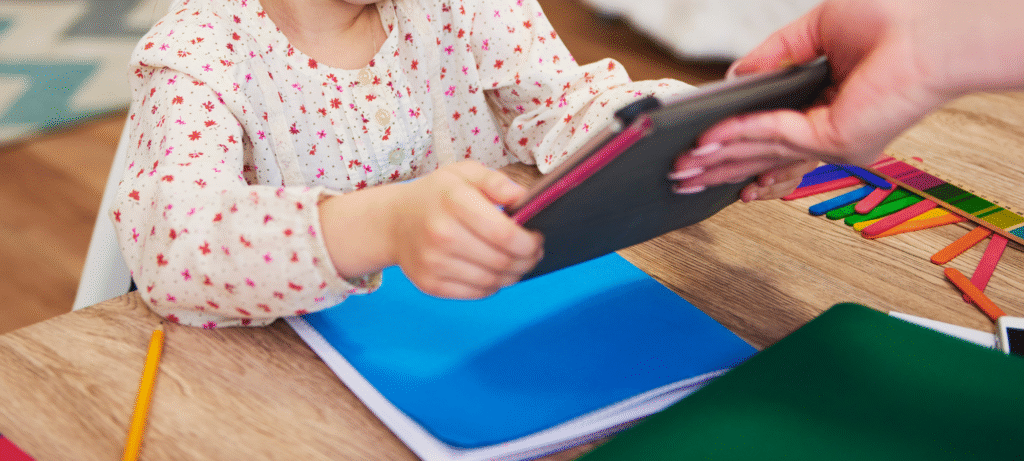
Kindergarten is a transition year. Children move from informal early childhood learning into structured classroom environments.
Research shared by the U.S. Department of Education emphasizes developmentally appropriate assessment practices. That means evaluating readiness, skill building, and emotional growth rather than strict academic performance metrics.
Five year olds develop at different speeds. One child may read early. Another may develop stronger motor skills first. A rigid grading system would not fairly represent these natural differences.
So the grading scale for kindergarten prioritizes growth.
What Is Assessed in Kindergarten?
A kindergarten grading scale typically evaluates four main categories:
1. Early Literacy Skills
• Letter recognition
• Phonics awareness
• Sight words
• Listening comprehension
• Story retelling
2. Math Foundations
• Counting
• Number recognition
• Simple addition concepts
• Shape identification
• Pattern recognition
3. Social and Emotional Development
• Sharing
• Turn taking
• Conflict resolution
• Classroom participation
• Emotional regulation
4. Learning Behaviors
• Following directions
• Completing tasks
• Staying focused
• Asking for help appropriately
These skills matter just as much as reading or math at this age.
Kindergarten Report Cards Explained
When parents see report cards for the first time, they sometimes expect letter grades like older students receive. But kindergarten report cards are usually descriptive.
They may include:
• Symbols (E, S, N, U)
• Proficiency numbers (1–4)
• Teacher comments
• Growth observations
• Skill checklists
The goal is communication, not competition.
If you’re interested in how grading evolves at higher grade levels, you might also explore broader discussions about grading systems and assessment structure in our education focused resources.
Helpful=> Elementary Grading Scale
How Often Are Kindergarten Grades Given?
Most schools issue report cards:
• Quarterly
• Trimester based
• Mid year and end of year
Some schools also hold parent teacher conferences where grading scale for kindergarten progress is explained in detail.
How Parents Should Interpret Kindergarten Grades
It’s important not to panic if your child receives “Developing” or “Needs Improvement.”
Kindergarten is about building foundations. A child marked as developing simply means they are still learning the skill — which is expected.
Think of it like early diagnostics. Just like regular evaluations help prevent bigger problems later — similar to how Tree Health Assessment and Inspection Services focus on early identification before major decline — early academic feedback supports healthy growth.
Growth takes time.
Standards Based Grading vs Traditional Grading
Traditional grading:
• A to F scale
• Percentage based
• Performance comparison
Standards based kindergarten grading:
• Measures mastery of specific skills
• Tracks progress
• Encourages improvement
• Focuses on readiness
This approach reduces pressure and supports confidence building.
People Also Ask
How do you grade kindergarten?
Kindergarten is graded using developmental or standards based systems such as E, S, N, U or 1 to 4 proficiency scales. Teachers evaluate skills rather than assigning traditional percentage grades.
What is the grade level for kindergarten?
Kindergarten typically serves children aged 5 to 6 years old.
Do kindergarten kids get grades?
Yes, but not traditional A to F grades in most schools. Instead, they receive progress indicators and skill evaluations.
What grade is a 5 year old supposed to be in?
Most 5 year olds are enrolled in kindergarten, depending on state cut off dates.
FAQs About Grading Scale for Kindergarten
Is kindergarten grading mandatory?
Policies vary by state and district, but most schools provide some form of progress reporting.
Why don’t kindergarteners get A, B, C grades?
Because early childhood education focuses on development rather than competition.
What does “Developing” mean?
It means the child is progressing toward mastery but hasn’t fully achieved the skill yet.
Should parents worry about low marks?
Not immediately. Communication with the teacher matters more than the letter or symbol.
How can parents support better progress?
Read daily with your child. Practice counting games. Encourage conversation. Reinforce positive behavior.
Final Thoughts
The grading scale for kindergarten is designed to nurture, not judge.
At this stage, learning is about exploration, social growth, and building academic foundations. Development varies widely among children, and that’s completely normal.
Rather than focusing on the symbols on a report card, focus on growth. Ask questions. Communicate with teachers. Celebrate small wins.
Kindergarten is the beginning of a long educational journey. The goal isn’t perfection — it’s progress.
And that’s exactly what the kindergarten grading scale is built to measure.