
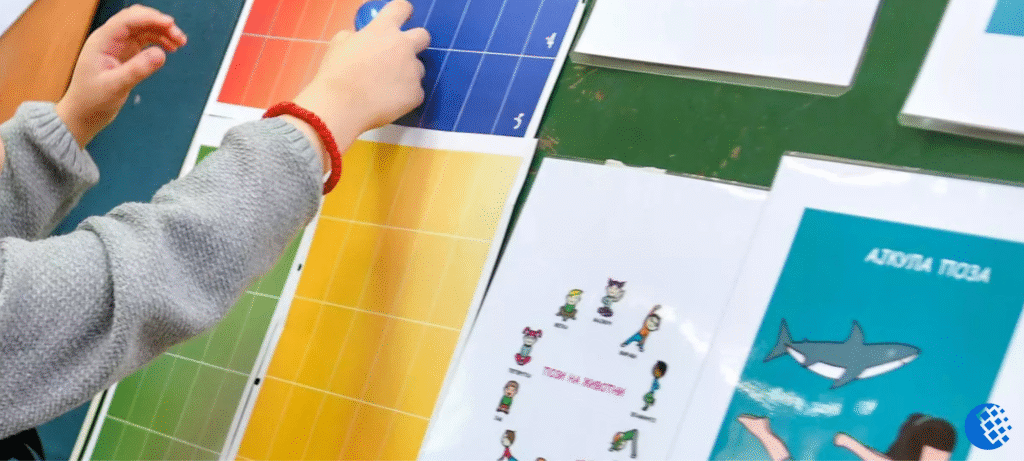
Preschool workbook activities are a vital component of early childhood education, employing a hands-on approach to boost cognitive development in young learners. These dynamic tools cater to preschool-aged children, aiding them in acquiring foundational skills necessary for their future educational endeavors.
Studies have indicated that early exposure to structured activities significantly enhances a child’s academic performance. Early learning through play and structured activities is crucial for children as it enhances memory, problem-solving skills, and the comprehension of complex concepts in the later stages of education.
Preschool learning books are meticulously crafted to meet the educational needs of young minds by offering diverse and interactive content that takes children on a thematic learning journey. These books:
- Stimulate cognitive development through a variety of activities
- Support motor skills and hand-eye coordination
- Foster creativity and critical thinking through engaging content
Understanding the Role of Preschool Workbook in Early Learning
Preschool workbooks are indispensable for nurturing foundational skills like literacy, numeracy, and problem-solving. These resources encompass structured activities that motivate children to learn and explore at their own pace, making the learning process both enjoyable and effective. For example, pairing reading exercises with fun tasks like spiderman coloring pages can reinforce comprehension while keeping children entertained.
Key contributions of preschool workbooks to early learning include:
- Literacy Development: Introducing letters, sounds, and basic reading through interactive exercises
- Numeracy Skills: Engaging counting activities and basic math problems that lay the groundwork for numerical understanding
- Problem-Solving Abilities: Encouraging logical thinking and puzzle-solving to enhance analytical skills
Preschool workbooks create a structured yet flexible learning environment where children thrive, serving as a link between playful activities and formal education.
Features of Pre K Workbooks
Pre K workbooks are designed to captivate young minds while fostering essential skill development. Here are notable features that render these workbooks effective for preschoolers:
- Age-Appropriate Activities: Aligned with the cognitive and developmental stages of young children, these activities provide challenges that match their learning level without inducing frustration.
- Engaging Illustrations: Bright, colorful images attract children’s attention and enrich their learning experience, aiding comprehension.
- Interactive Elements: Including stickers, cut-outs, and tracing activities for tactile engagement crucial for fine motor skill development.
- Thematic Content: Topics like animals, nature, and everyday scenarios are relatable and maintain children’s interest.
- Expert Designs: Contribution from education experts and psychologists ensures alignment with developmental milestones.
The amalgamation of these features ensures that Pre K workbooks not only educate but also entertain, transforming learning into a joyful experience for preschoolers.
The Benefits of Big Preschool Workbook for Cognitive Development
Big preschool workbooks offer distinctive advantages for cognitive growth due to their comprehensive and straightforward approaches, making them a favored choice for parents and educators. Here are some benefits:
- Comprehensive Coverage: Encompassing a wide array of subjects like math, reading, and problem-solving for a holistic educational experience.
- Straightforward Learning Path: The structured layout maintains a consistent and logical progression in learning, aiding children in grasping concepts easily.
- Reinforcement and Practice: Ample pages allow for repeated practice, reinforcing newly acquired skills and knowledge.
- Better Engagement: Larger size permits more visually appealing activities and illustrations that sustain children’s engagement.
In essence, selecting the appropriate Pre K and big preschool workbooks can significantly impact a child’s early education journey, laying a sturdy foundation for future learning.
Preschool Learning Books for Language and Communication Skills
Preschool learning books hold a pivotal role in fostering language proficiency and communication skills in young children by providing an engaging platform for absorbing new words, sentences, and storytelling elements essential for language development. Here’s how preschool learning books contribute to these skills:
- Vocabulary Expansion: Exposure to new words and phrases enhances children’s understanding and usage of language.
- Sentence Structure: Listening to and reading simple stories aids in comprehending sentence formation, bolstering communication skills.
- Interactive Elements: Activities like matching games prompt kids to respond and engage, bolstering learning through play.
Research indicates that children exposed to interactive reading from an early age display significant improvements in language skills.
Encouraging children to explore books with vibrant illustrations and relatable stories enriches the reading experience, making it enjoyable and promoting consistent use that fortifies language growth. Through regular interaction with preschool learning books, children not only cultivate an appreciation for language but also develop a robust foundation supporting lifelong learning and communication.
Advantages of Prek Workbook: Bridging the Home and Classroom Learning
Prek workbooks effectively serve as a bridge between home and classroom learning, offering a unified learning structure beneficial for both settings. Here’s how these workbooks facilitate this unique connection:
- Reinforcement of Classroom Learning: Practice and reinforcement of school-learned concepts assist in skill retention and mastery.
- Parental Involvement: Providing parents with clear guidelines and activities to engage actively in their child’s educational journey.
- Flexibility: Designed for easy home use, prek workbooks allow for customized learning paces tailored to each child’s needs.
Practical ways in which parents can effectively utilize these workbooks at home include:
- Establishing a dedicated daily time slot for workbook activities to instill a routine.
- Encouraging children to articulate what they learn from the exercises, leading to discussions that deepen understanding.
- Providing rewards for completed tasks to sustain interest in continued learning.
By incorporating these strategies, prek workbooks proficiently bridge the gap between home and school, nurturing a holistic educational approach that benefits developing minds beyond the classroom.
Diversity in Pre K Activity Books
Pre K activity books play an essential role in providing a comprehensive education for preschoolers by covering a variety of subjects and skills that enable children to explore diverse learning areas. Here’s why content diversity is crucial for a child’s early development:
- Cognitive Growth: Introducing a range of subjects stimulates various parts of the brain, fostering cognitive development. Activities like puzzles, drawing tasks, and math problems engage children and encourage critical thinking.
- Holistic Learning: Exposure to diverse content ensures that children garner knowledge in various areas, from counting and shapes to stories and vocabulary. This builds a strong foundation for future learning.
- Cultural and Social Awareness: Incorporating themes like nature, different cultures, and daily life scenarios aids children in developing a broader understanding of the world, enhancing social skills and cultural awareness.
- Problem-Solving Skills: Engaging in different activities such as mazes and matching games nurtures problem-solving and decision-making skills.
Ensuring Quality and Engagement with Preschool Workbooks
Selecting high-quality preschool workbooks is imperative to maintain your child’s engagement while providing educational value. Here are tips to ensure you choose the best resources:
- Age-Appropriate Content: Opt for workbooks aligned with your child’s developmental stage to ensure activities are neither too easy nor too challenging, maintaining interest and motivation.
- Engaging Illustrations and Activities: Look for workbooks with colorful illustrations and interactive features like stickers or cut-outs to make learning enjoyable. These elements enhance engagement significantly.
- Reviews and Recommendations: Research and select workbooks recommended by educators or with high ratings from other parents.
Parents often explore options from different educational publishers, and collections from School Zone, Scholastic, and Highlights offer a wide variety of preschool workbooks designed to support early learning at home.
By considering these aspects, you can choose preschool workbooks that not only capture your child’s attention but also establish a solid groundwork for their educational journey ahead.