
In Singapore’s high-stakes education landscape, the PSLE looms large for every primary school kid. Chinese, as a mother tongue subject, can feel like a mountain to climb, especially if it’s not spoken much at home. I’ve heard stories from parents about their children freezing up during exams, whether it’s decoding a dense passage or spinning a coherent story. But here’s the good news: targeted PSLE Chinese tuition and Chinese enrichment classes from Edugrove can make a real difference. It zeroes in on writing and comprehension, turning weak spots into confident strides. Let’s break it down and see how these classes work their magic.
The Challenges of PSLE Chinese
Before diving into solutions, it’s worth noting why Chinese trips up so many students. The language is rich with characters, idioms, and cultural layers that go beyond rote learning. Comprehension tests your grasp of meaning, while writing demands creativity and precision. School curricula cover the basics, but with large classes, individual needs often get overlooked. This is where psle chinese tuition fills that gap, offering tailored strategies that align with the exam’s demands.
Boosting Comprehension Skills
Comprehension in PSLE isn’t just reading – it’s about understanding subtleties, making inferences, and handling vocabulary under pressure. Tuition classes excel here by providing focused practice that’s often missing in regular school hours.
One major way they help is through interactive vocabulary sessions. Instead of dry flashcards, tutors use engaging methods like storytelling or games. For example, a tutor might retell a classic Chinese legend, pausing to explain key words in context. This sticks better than isolated memorization. Kids learn to spot synonyms or antonyms in passages, which is crucial for those tricky questions.
Then there’s the emphasis on question types. PSLE comprehension includes multiple-choice, short answers, and summaries. Tutors dissect past papers, teaching kids to identify clues—like transitional phrases or tone shifts. In small groups, students discuss answers, learning from peers’ perspectives. This builds confidence and reduces guesswork.
Developing Critical Thinking for Deeper Understanding
Beyond basics, tuition nurtures analytical skills. Passages often have implied messages or cultural references that require thinking beyond the text. Tutors encourage debates or role-plays based on readings, helping students connect ideas.
For bilingual learners, who might default to English thinking, classes include bridging exercises. Start with English summaries, then translate to Chinese, gradually phasing out the crutch. It’s like training wheels coming off a bike. Parents often report their kids enjoying Chinese books more, turning exam prep into a hobby.
Mastering the Art of Writing
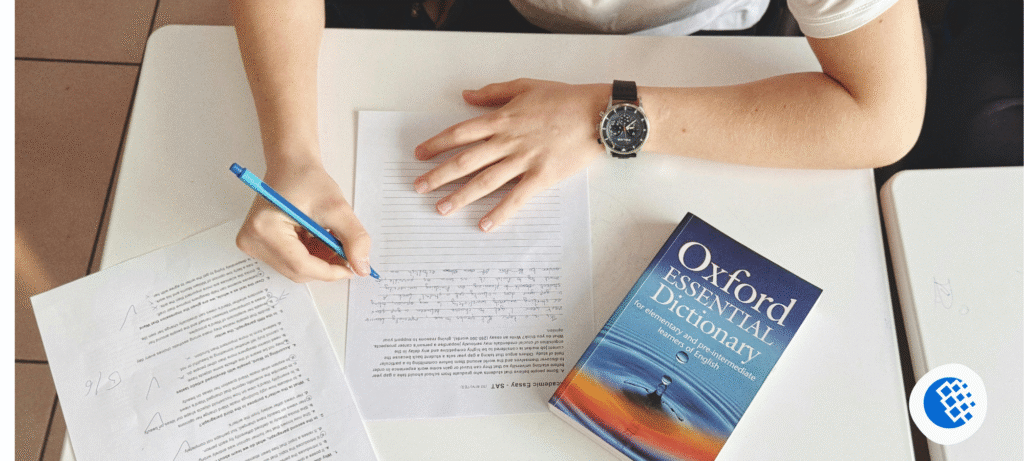
Writing, or composition, is where creativity meets structure. PSLE prompts ask for narratives or situational essays, scored on ideas, language, and organization. Without guidance, writings can be rambling or error-filled. Tuition breaks it down step by step.
First, planning is key. Tutors teach outlining: jot down plot points, characters, and a twist. This prevents the blank-page panic. They also cover descriptive techniques – using senses to paint pictures, like the “crisp scent of rain on hot pavement” instead of bland statements.
Grammar and style get polished too. Common errors, like misplaced particles or repetitive structures, are addressed through targeted drills. Tutors model varied sentence lengths for rhythm, making essays flow naturally.
Sparking Creativity and Originality
What sets great writing apart is flair. Tuition pushes beyond templates, urging kids to draw from personal experiences. A prompt about “an adventure” might inspire a story from a family trip, infused with unique details.
Practice is relentless but supportive. Timed writings simulate exam stress, followed by detailed feedback. Revise, rewrite, repeat—it’s iterative, like sculpting clay. Over time, students develop their voice, avoiding cookie-cutter responses that examiners dislike.
Additional Perks of Tuition
Tuition isn’t just about these two areas; it builds overall exam savvy. Time management tips ensure balanced pacing. Cultural immersion, through proverbs or festivals, enriches content. Fun elements like quizzes keep motivation high.
Choosing the right program is crucial. Opt for experienced tutors with PSLE expertise, small classes, and updated materials. Trials help gauge compatibility, and while costs add up, the payoff in scores and self-assurance is worth it.
Real-Life Impact and Success Stories
I’ve chatted with families who’ve seen transformations. One parent shared how her son, once scoring Cs, jumped to As after tuition honed his inference skills. Another kid, shy about writing, started journaling voluntarily. These aren’t anomalies; consistent effort yields results.
Wrapping It Up
PSLE Chinese tuition is a game-changer for writing and comprehension mastery. It offers personalized tools, from vocabulary builders to creative sparks, that school might not provide. Students don’t just pass – they thrive, gaining a lifelong language love. If your child’s prepping, give tuition a shot. It could turn those exam hurdles into stepping stones.