
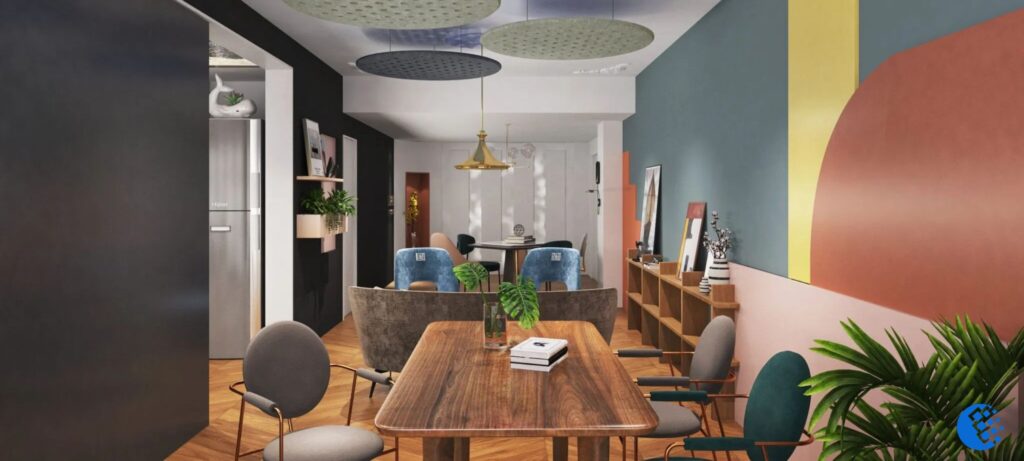
The modern UK workplace is dynamic, fast-paced, and collaborative. However, the rise of open-plan layouts has brought a major challenge: noise. From clacking keyboards and ringing phones to impromptu meetings at a colleague’s desk, the modern workspace is filled with acoustic disruptions.
According to workplace satisfaction surveys, excess noise is one of the leading causes of workplace stress and lost productivity. Fortunately, you do not need to undertake a massive, expensive structural renovation to reclaim your quiet.
By implementing strategic layout changes and targeted sound-absorbing materials, you can create a focused, productive environment that your team will love.
The True Cost of Office Noise Distraction
A noisy office does more than just annoy your staff. It actively drains your business’s efficiency and impacts employee well-being.
- Lost Productivity: It takes an average of 20 minutes to regain deep focus after a single audio distraction.
- Increased Stress: Constant background babble raises cortisol levels, leading to burnout and fatigue.
- Lack of Privacy: Confidential HR discussions or client phone calls become difficult to manage without others overhearing.
Addressing these issues requires a mix of workplace etiquette and proper acoustic design.
1. Upgrade Walls with High-Performance Absorbers
Sound waves travel until they hit a hard surface. In most UK offices, concrete walls, large windows, and drywall act as acoustic mirrors, bouncing sound back into the room and creating a harsh echo.
One of the most effective ways to stop this cycle is by treating your vertical surfaces. Installing acoustic wall tiles for noise reduction in offices helps trap sound waves right where they are generated.
Why Wall Treatment Works
- Targets the Source: Places absorption material directly at mouth and ear level where people talk.
- Saves Floor Space: Keeps the office footprint completely clear, making it ideal for smaller workspaces.
- Adds Visual Appeal: Modern sound tiles come in a massive array of geometric shapes, fabrics, and custom colors to match your corporate branding.
2. Utilize Overhead Solutions for Open Ceilings
Open-plan layouts often feature high ceilings or industrial concrete soffits. While this looks fantastic and airy, it creates a massive cavity where sound can echo endlessly.
If your floor and walls are already busy, looking up is your best strategy. Integrating office ceiling panels for better acoustics is a highly efficient way to capture rising sound before it bounces back down to the desks below.
Popular Ceiling Acoustic Options
- Acoustic Baffles: Vertically suspended panels that catch sound from both sides, perfect for industrial-style offices.
- Ceiling Clouds: Horizontally hung panels that float above specific zones, like a bank of desks or a collaborative table.
- Drop Ceiling Tiles: Direct replacements for standard commercial grid ceilings that offer vastly superior sound absorption properties.
3. Create Dedicated Activity-Based Zones
An office should not be a one-size-fits-all space. To reduce distractions, design your layout around specific tasks. This approach is often called activity-based working.
The Focus Zone
This area should be strictly reserved for quiet, solo work. Implement a “no talking” or “headphones on” rule here. Use heavy acoustic dividers or desk wraps to give employees productivity visual and auditory privacy.
The Collaboration Zone
Group meeting tables, casual lounges, and brainstorming whiteboards should live in a completely separate part of the office. By concentrating group discussions in one designated area, the rest of the floor stays quiet.
The Phone Booth Zone
Don’t let single phone calls disrupt an entire room. Installing small, modular acoustic pods or telephone booths gives staff a private space to take Zoom calls or client inquiries without bothering neighbors.
4. Introduce Soft Furnishings and Layout Adjustments
Hard, minimalist surfaces are the enemy of good acoustics. While hard wood floors and metal desks look sleek, they amplify every dropped pen and footsteps.
Simple interior design tweaks can make a noticeable difference:
- Lay Down Heavy Rugs: Use high-traffic commercial rugs in walkways to deaden the sound of footsteps and clicking heels.
- Choose Fabric Over Leather: Pick fabric-wrapped sofas, armchairs, and task chairs, as textiles naturally absorb more sound than leather or plastic.
- Use Strategic Plant Placement: Large, leafy indoor plants don’t just boost mental well-being; their varied surface areas help break up and diffuse high-frequency sounds.
5. Establish a Shared Office Noise Policy
Technology and interior design can only go so far. To maintain a truly focused environment, your team needs to be on the same page regarding office etiquette.
Consider writing a simple, clear workplace noise policy that outlines basic rules:
- Take Long Calls Privately: If a phone call is going to last longer than two minutes, move to a meeting room or phone pod.
- Manage Speaker Volume: Keep laptop notifications, video call volumes, and mobile ringtones on silent or low.
- Respect the Headphones Signal: Establish a cultural rule that if a team member has headphones on, they should not be interrupted unless it is an emergency. Use internal chat apps like Slack or Teams instead.
Conclusion
Reducing distractions in a busy office isn’t about creating total, dead silence—that can feel eerie and uncomfortable. Instead, the goal is to control the sound so that speech is clear where it needs to be, and background noise is dampened everywhere else.
By pairing clear behavioral guidelines with physical solutions like soundproof wall tiles and ceiling panels, you can transform your workspace into a balanced ecosystem. The result is a happier team, sharper focus, and a much more productive business day.