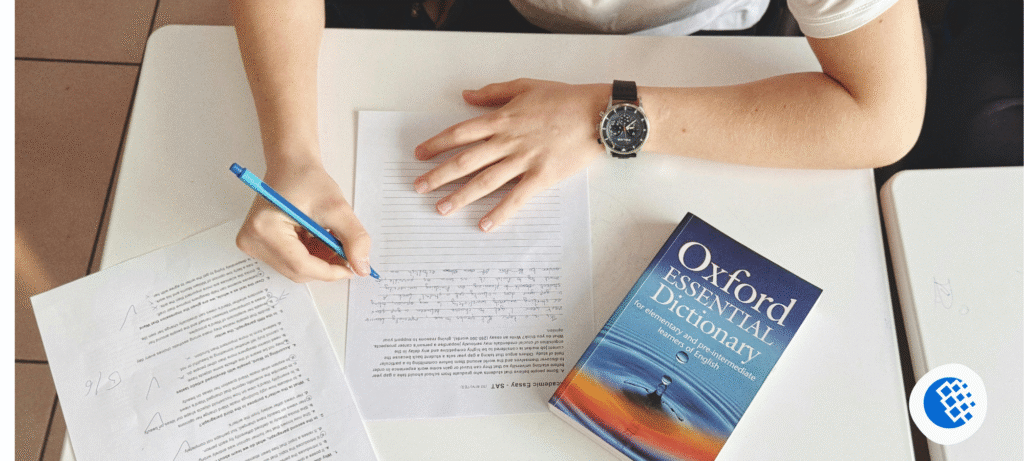

Writing an informative essay can feel confusing at first, especially when you have a lot of ideas but don’t know how to organize them. That’s where an informative essay outline becomes important. An outline acts like a roadmap. It helps you see where your essay is going before you start writing full paragraphs.
Many students skip outlining because they think it wastes time. In reality, it saves time. A good outline keeps your thoughts clear, prevents repetition, and makes sure your essay stays focused from beginning to end.
This guide explains what an informative essay outline is, why it matters, and how to create one step by step in a way that feels natural and manageable.
What Is an Informative Essay
An informative essay is written to explain a topic clearly and objectively. Its goal is not to persuade or argue, but to provide accurate information in an easy-to-understand way.
Common informative essay topics include
Historical events
Scientific processes
Social issues
Technical systems
Educational concepts
The writer’s role is to explain, not to convince. That’s why structure matters so much.
Why an Outline Is Important
An outline helps you organize information before you write. Instead of jumping between ideas, you move logically from one point to the next.
Benefits of using an outline include
Clear flow of ideas
Stronger focus on the topic
Easier paragraph development
Less chance of missing key information
Without an outline, essays often feel scattered or repetitive.
Basic Structure of an Informative Essay
Most informative essays follow a simple structure. The outline reflects this structure.
Introduction
Body paragraphs
Conclusion
Each part has a specific purpose, and the outline helps you define what goes where.
Introduction Outline
The introduction sets the tone for the entire essay. It should be clear, focused, and informative.
An introduction outline usually includes
A hook to introduce the topic
Brief background information
A clear thesis statement
The hook can be a fact, definition, or short explanation. Avoid opinions or emotional language.
Example introduction outline
Hook: Brief explanation of the topic
Background: Why the topic matters
Thesis: What the essay will explain
Body Paragraph Outline
The body is where most of the information goes. Each paragraph should focus on one main idea.
A typical body paragraph outline includes
Topic sentence
Supporting facts or details
Examples or explanations
Closing sentence
For longer essays, the body is often divided into multiple sections.
Body Paragraph 1
This paragraph usually introduces the main idea or most important aspect of the topic.
Outline example
Topic sentence explaining the first key point
Supporting facts or definitions
Short explanation
Body Paragraph 2
The second paragraph builds on the first or introduces another major point.
Outline example
Topic sentence introducing the next idea
Supporting evidence
Clarification or example
Body Paragraph 3
This paragraph often explains processes, effects, or real-world applications.
Outline example
Topic sentence
Step-by-step explanation or impact
Connection to the overall topic
Using Real-World Examples
Informative essays become stronger when they include real-world examples. These help readers understand abstract ideas.
For example, when explaining systems that rely on accuracy and structure, you might refer to certification processes. Topics like Truck Scale Certification show how clear standards and procedures help maintain accuracy and trust. This kind of example adds clarity without turning the essay into an argument.
Organizing Information Logically
One of the biggest mistakes in informative writing is poor organization. An outline helps you decide the order of information.
Common logical patterns include
General to specific
Cause to effect
Step-by-step process
Problem and explanation
Choose one pattern and stick to it throughout the essay.
Conclusion Outline
The conclusion wraps up the essay without introducing new information.
A strong conclusion outline includes
Restated thesis in simple words
Summary of main points
Final closing thought
The goal is to remind the reader what they learned, not to add more facts.
Example conclusion outline
Restate the main idea
Briefly summarize body points
End with a clear closing sentence
Sample Informative Essay Outline
Here is a simple outline example that can be adapted to many topics.
Introduction
Hook
Background information
Thesis statement
Body Paragraph 1
Main idea explanation
Supporting details
Body Paragraph 2
Second key point
Examples
Body Paragraph 3
Additional explanation or real-world application
Conclusion
Summary of information
Restated thesis
Common Mistakes to Avoid
Even with an outline, mistakes can happen.
Trying to include opinions
Adding too many ideas in one paragraph
Skipping transitions
Writing without clear topic sentences
A good outline helps avoid these issues by keeping each paragraph focused.
How an Outline Improves Writing Skills
Outlining improves more than just one essay. Over time, it helps you think more clearly and write more confidently.
Students who outline regularly
Write faster
Edit less
Stay on topic
Produce clearer essays
These skills are useful far beyond the classroom.
Learning Structure From Other Fields
Structure is important in many areas, not just writing. Large organizations rely on clear systems to function properly. For example, major theme park attractions like Hollywood Rip Ride Rockit at Universal Studios depend on strict procedures, safety checks, and planning to operate smoothly.
Informative essays work the same way. Without structure, even good information becomes confusing.
Final Thoughts
An informative essay outline is not a restriction. It’s a guide. It gives your ideas shape and direction while leaving room for natural writing.
When you take a few minutes to plan before writing, your essay becomes clearer, more organized, and easier to read. Whether you’re writing for school, college, or personal learning, mastering the outline is one of the most useful writing skills you can develop.
Once you understand how outlines work, informative writing stops feeling overwhelming and starts feeling manageable.