
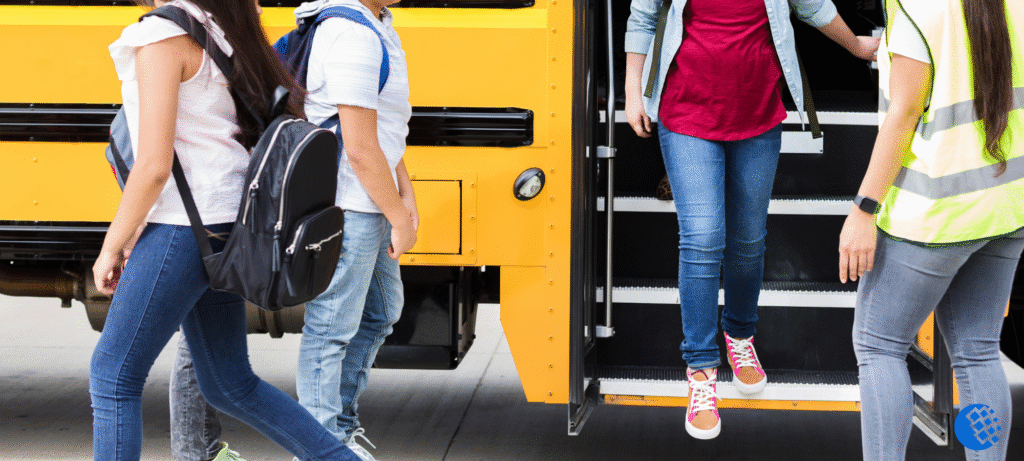
School bus rules for students sound simple when written on paper. Still, they matter more than most students realize. Every morning and afternoon, buses carry groups of students through regular traffic, tight streets, and busy intersections. One careless moment can cause trouble pretty fast. That is why school bus rules for students exist in the first place.
Most schools expect students to be at the stop about five minutes early. Not rushing makes things safer. Students are also told to wait for the driver’s signal before crossing the road and to stay seated once inside. These rules might seem repetitive after hearing them year after year, but they exist because someone learned the hard way that safety cannot depend on luck.
Sometimes students think the bus ride is just downtime before school starts. Maybe it feels that way. But the driver is responsible for everyone on board, and small distractions can build into bigger risks.
School Bus Rules for Students While Waiting at the Stop
School bus rules for students usually begin before the bus shows up. Waiting properly might not look important, yet many close calls happen right there.
- Students should reach the stop a few minutes early instead of running at the last second. Running near roads is unpredictable. Drivers passing by do not always expect sudden movement.
- Standing back from the curb helps more than people think. Transportation departments often suggest staying around ten feet away from the road so the driver can see students clearly. Areas near the front and sides of a bus are sometimes difficult for drivers to see, something explained on the Wikipedia page about school buses.
- Playing around while waiting can also create problems. It may look harmless until someone trips or gets pushed too close to traffic. Waiting calmly is usually safer even if it feels boring.
School Bus Rules for Students When Getting On the Bus
School bus rules for students continue once the bus arrives. Boarding in an orderly way keeps everything moving safely.
- Students should walk toward the bus rather than rush. Using the handrail while stepping up might feel unnecessary, but slipping on wet steps happens more often than people expect.
- Crowding the door slows the process and distracts the driver. Drivers have to watch mirrors and passing vehicles at the same time. Sudden movement near the entrance divides their attention.
- Some buses have assigned seats. Students do not always like that idea, though it helps drivers keep track of everyone. When seating stays consistent, problems are easier to solve.
School Bus Rules for Students During the Ride
School bus rules for students inside the bus focus mostly on behavior and safety.
- Students should stay seated facing forward while the bus is moving. Sudden stops happen even on calm roads. Standing or turning around increases the chance of getting hurt.
- Keep aisles open. Bags and sports equipment should stay on laps or under seats. Blocked aisles slow evacuation in emergencies.
- Talking quietly is usually fine. Shouting is different. Loud noise makes it harder for drivers to concentrate, especially in heavy traffic.
- Eating and drinking are usually not allowed. Spills create sticky floors and sometimes slippery spots.
- Students should keep their hands and heads inside the windows. That rule sounds obvious, yet drivers still remind students about it regularly.
School Bus Rules for Students When Crossing the Road
School bus rules for students are especially important when crossing after getting off.
- Always cross in front of the bus, never behind it. The driver must be able to see students clearly.
- Walk about ten feet ahead of the bus before crossing to stay visible.
- Wait for the driver’s signal. Some drivers on the road ignore bus stop signs, which is worrying but real. Safety groups like Children’s Health discuss these risks.
- Even after the signal, look both ways. The driver helps, but awareness still matters.
Respect and Responsibility in School Bus Rules for Students
School bus rules are not only about avoiding accidents; they make the ride manageable for everyone.
- Drivers need cooperation to keep the route on time. Ignoring instructions slows everything down and creates tension.
- Treat other riders with basic respect. Long rides feel longer when people argue or bother each other.
- Older students usually set the tone without realizing it. When older riders stay calm, younger ones often follow.
Organized student activities often follow similar ideas. Clear expectations make group travel easier, as seen in programs like Disneyland Group Tour Company for Students.
Consequences Connected to School Bus Rules for Students
Most schools include consequences when rules are ignored.
- Schools often start with warnings. Drivers speak to students directly before reporting problems.
- Written reports may follow if behavior continues, involving parents or school staff.
- Repeated issues sometimes lead to suspension from bus riding privileges.
- Serious behavior, like fighting or bringing dangerous items, may lead to immediate action.
Why School Bus Rules for Students Still Matter
School bus rules for students sometimes feel repetitive, yet accidents usually happen when familiar rules get ignored.
- Quiet buses are easier to manage. When students stay seated and calm, drivers can focus fully on the road.
- Understanding structured systems matters in many areas. Consistent rules make complicated work easier to manage, as discussed in Ben Stace Semantic SEO Case Studies.
- Small habits like sitting properly, listening carefully, and staying aware all help create safer rides.
People Also Ask
What are the basic school bus rules for students?
Basic rules include arriving early, staying seated, keeping aisles clear, and following the driver’s instructions.
Why should students wait for the driver’s signal?
The driver checks traffic conditions before allowing students to cross safely.
Can students stand on the school bus?
No, sudden stops can cause injuries.
Why is eating not allowed on school buses?
Spills create messes, slipping hazards, and distractions.
FAQs
How early should students arrive at the bus stop?
About five minutes before the scheduled pickup time.
Why must students stay seated on a school bus?
To prevent injuries during sudden stops or turns.
Why should students cross in front of the bus?
So the driver can see them clearly before signaling to cross.
Who enforces school bus rules for students?
The bus driver, with support from school administrators if needed.
Final Thoughts
School bus rules for students are easy to overlook because they seem ordinary. Most students follow them without thinking much.
But every safe trip depends on small decisions: waiting calmly, sitting properly, and listening to instructions. Some bus rides feel relaxed and predictable. Others feel tense. Often, the difference comes down to whether the rules are treated as real expectations or just background noise.