
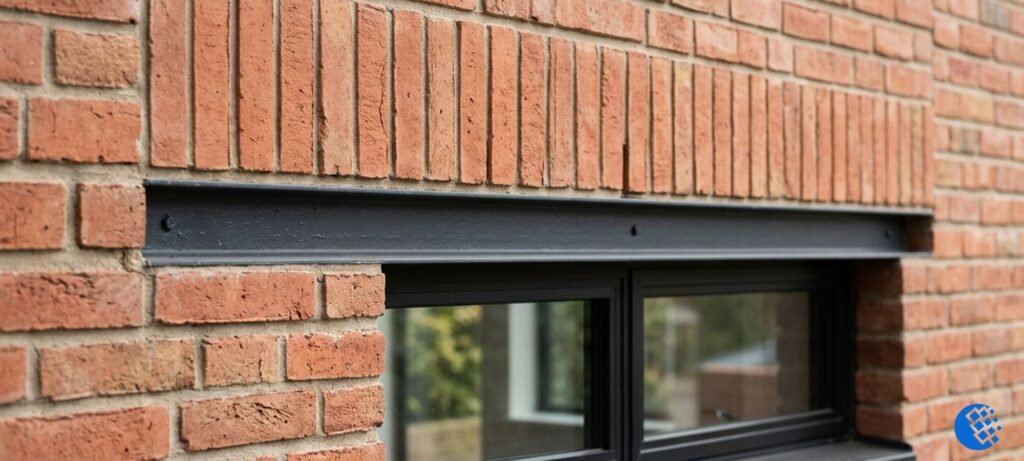
Masonry is an art form where the smallest change in orientation can completely redefine the character of a building. Among the various techniques used by master masons, soldier course brickwork stands out as one of the most striking and functional decorative bonds.
Whether you are looking to add a vertical accent above a window or create a distinctive border along a garden wall, understanding how to utilize vertical bricks effectively is key. In 2026, as architectural trends lean toward a mix of traditional textures and modern geometric lines, the soldier course remains a staple in both residential and commercial design.
Table of Contents
- What is a Soldier Course in Brickwork?
- The Anatomy of Vertical Brickwork
- Comparison: Soldier vs. Sailor vs. Rowlock
- Key Applications and Structural Details
- Installation: How to Lay Soldier Bricks
- Modern Trends for 2026
- Final Thoughts: The Enduring Appeal of the Soldier Course
- FAQs
What is a Soldier Course in Brickwork?
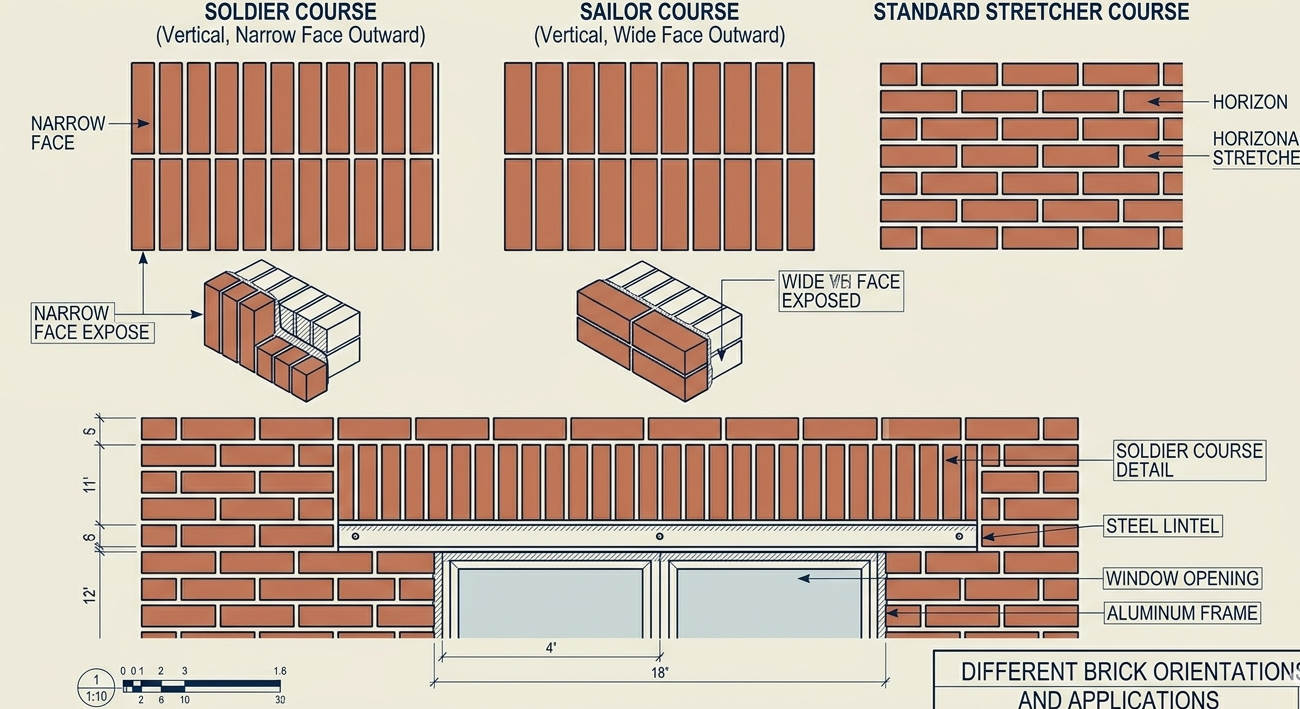
If you have ever asked, “what is soldier course in brickwork?”, the answer lies in the orientation. In simple masonry terms, a soldier course is a row of bricks laid vertically on their narrow end (the “base”), with the long, narrow side (the “face”) facing outward.
Think of a row of soldiers standing at attention—tall, upright, and perfectly aligned. This vertical orientation contrasts with the standard “stretcher” course, where bricks are laid horizontally. While stretchers provide the primary structural bulk of a wall, the soldier course is used to break up the visual monotony and highlight specific architectural features.
Brickwork Soldier Course Definition
Technically, the brickwork soldier course definition refers to any course where bricks are stood on their ends. While it can be used for structural purposes when combined with steel lintels, its primary function in 2026 is decorative. It creates a sense of height and provides a clean “cap” or “belt” to an otherwise repetitive brick pattern.
Comparison: Soldier vs. Sailor vs. Rowlock
Choosing the right bond depends on the thickness of the wall and the desired texture. Understanding these variations helps in selecting the right look for your project according to international masonry standards.
| Feature | Soldier Course | Sailor Course | Rowlock Course |
| Orientation | Vertical (Narrow side out) | Vertical (Wide side out) | On edge (Small end out) |
| Visual Effect | Slim, elegant vertical lines. | Wide, bold vertical panels. | Rugged, “toothed” texture. |
| Common Use | Window headers and banding. | Decorative cladding panels. | Wall cappings and sills. |
| Complexity | Moderate (Alignment is key). | Moderate. | High (Requires precise leveling). |
Key Applications and Structural Details
Laying bricks vertically isn’t just about aesthetics; it requires a specific set of skills to ensure the line remains straight and the bond remains secure.
Visual and Decorative Purpose
The primary reason architects choose a soldier course is for its decorative impact. It creates clean, vertical lines that draw the eye upward. You will commonly see this technique used as “banding”—a horizontal strip of vertical bricks that wraps around a building to separate different floor levels or to create a “water table” at the base.
Structural Considerations
While primarily decorative, soldier courses serve a functional role as soldier course brick lintels. When placed above a window or door opening, they act as a visual header. In modern construction, these are often supported by hidden steel lintels, but the soldier orientation provides the traditional “look” of a heavy masonry beam.
Note: Placing bricks in a soldier orientation can reduce the overall compressive strength of the wall if not supported correctly, so it is generally limited to non-structural or decorative purposes.
Installation: How to Lay Soldier Bricks
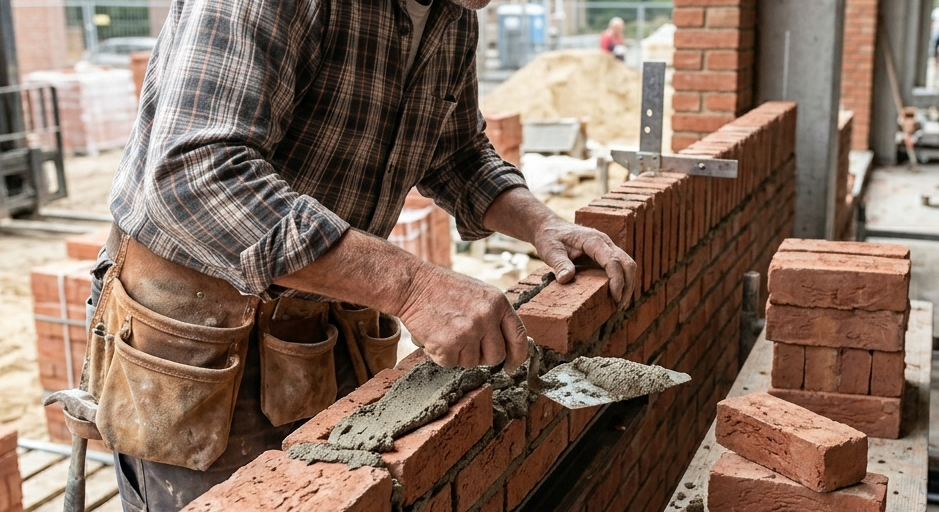
Achieving a professional look requires “perps” (perpendicular joints) that are perfectly plumb. If the spacing is off by even a few millimeters, the entire course will look tilted. For detailed safety and technical guidelines, many professionals refer to the ASTM International masonry specifications.
- Prepare the Base: Ensure the horizontal course below is perfectly level. Any dip in the bed joint will be magnified once the bricks stand upright.
- Dry Laying: Lay out your bricks without mortar first to calculate the “gauge” (spacing). This ensures you don’t end up with a tiny sliver of a brick at the end of the run.
- The Buttering Technique: Apply mortar to the side of the brick before placing it. This ensures the vertical joint is full and strong.
- Checking Plumb: Use a small spirit level on every third or fourth brick to ensure they aren’t leaning left or right.
- Jointing: Once the mortar starts to “pick up” (firm up), use a jointing tool to create a clean finish that sheds water effectively.
Modern Trends for 2026
The construction industry is seeing a massive resurgence in “texture-heavy” facades. Soldier course brickwork is at the center of this movement.
- Protruding Soldiers: Some modern designs have every second soldier brick sticking out by 10mm. This creates a shadow-gap effect that changes throughout the day as the sun moves.
- Brick Slip Systems: In high-rise developments, traditional masonry is often replaced by brick slips. These pre-fabricated panels use soldier courses to mimic the look of traditional hand-laid brickwork while being much lighter.
- Contrasting Colors: Using a darker or lighter shade for the soldier course compared to the rest of the wall is a popular way to highlight window openings without using expensive stone surrounds.
For those managing larger projects, integrating these details requires a solid Design Controls System to ensure aesthetic consistency across multiple buildings.
Final Thoughts: The Enduring Appeal of the Soldier Course
The era of “plain” walls is fading as homeowners and architects look for ways to add character to their structures. By mastering the soldier course brickwork technique, you are finally putting a signature touch on a building that would otherwise look standard. It is about creating a symbiotic relationship between structural necessity and artistic flair.
In 2026, the most successful designs will be those that value the small details. A perfectly executed soldier course provides a sense of craftsmanship and stability. Ultimately, your success in masonry is measured in the clean, vertical lines you leave behind—lines that stand as a testament to precision and pride.
FAQs
What is a soldier course brickwork?
It is a row of bricks laid vertically on their ends with the long narrow face showing. It is primarily used for decorative banding or above windows.
Is a soldier course structural?
Generally, no. Because bricks have less compressive strength when stood on end, soldier courses are usually decorative or supported by a hidden steel lintel.
What is the difference between a soldier and a sailor course?
A soldier course shows the narrow side of the brick, while a sailor course shows the wide face of the brick.
How many bricks are in a soldier course?
This depends on the length of the run. Since a standard brick is roughly 65mm thick, you would need approximately 13 to 14 bricks per meter, including mortar joints.