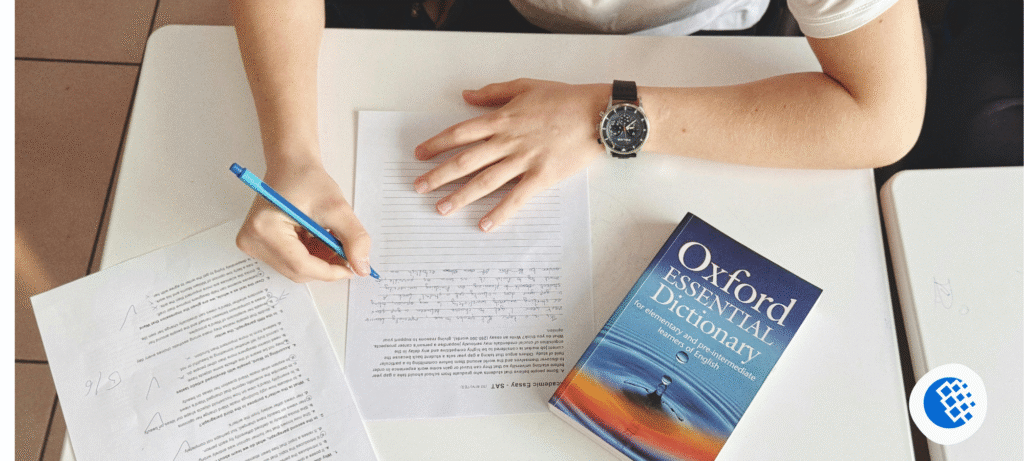

Walk into any teacher’s classroom and you’ll probably see some version of a teacher toolbox sitting on their desk or shelf. Could be an actual plastic toolbox from the hardware store, could be a cute rolling cart from Target, could be an old shoebox covered in construction paper. Whatever the container, what’s inside matters way more than what it looks like.
Your teacher toolbox is basically your survival kit for handling the million little things that come up during a school day. Kid needs a bandaid, you got it. Pencil breaks during a test, no problem. Someone forgot their supplies again, you’re prepared. Good toolboxes save you time, reduce stress, and keep your classroom running smoothly.
Physical Supplies You’ll Use Constantly
Pencils are obvious but you need way more than you think. Buy the cheap bulk packs because kids lose them constantly and you’ll go through hundreds per year. Mechanical pencils break all the time and lead refills get lost, so regular wooden pencils work better for classroom supplies.
Pens in different colors help with grading and organizing notes. Red pens are classic for grading but some teachers avoid red because it feels harsh. Purple, green, or blue work fine too. Having multiple colors lets you code different types of feedback or comments.
Erasers disappear faster than pencils somehow. Keep a bunch of the pink rectangular ones and maybe some of those kneaded erasers for art projects. White vinyl erasers work better than pink ones honestly but they cost more.
Scissors, both adult sized for you and kid-safe ones with rounded tips. You’ll need scissors constantly for cutting out materials, trimming papers, opening packages, all sorts of stuff. Keep at least three pairs because when you need scissors you need them right now.
Tape is essential, all kinds. Clear tape, masking tape, double-sided tape, duct tape if you teach older kids. Scotch tape dispensers that sit on your desk save time versus those little handheld ones. Masking tape labels everything and doesn’t leave residue.
Glue sticks work better than liquid glue for most classroom projects. Less mess, dries faster, kids can use them independently without creating disasters. Keep liquid glue around for stuff that needs stronger adhesion but glue sticks are your everyday option.
Staplers and staples, both a heavy-duty desktop stapler for you and maybe some mini staplers for students. Staple removers too because everyone messes up sometimes. Get extra staples because running out mid-class is annoying.
Paper clips, binder clips, rubber bands for organizing papers and materials. Different sizes of binder clips are super useful for clipping together packets, hanging posters, keeping things organized. Rubber bands hold rolled papers, group items together, fix broken things temporarily.
Sticky notes in various sizes and colors help with organization, quick notes to students, marking pages in books, temporary labels, everything. The 3×3 inch size is most versatile but having different sizes gives you options.
Post-its flags or page markers let you mark pages in textbooks or student work without writing on them. Useful for noting pages that need attention or marking where students left off reading.
Tissues because kids always need tissues and school budgets never provide enough. Buy the decent kind with lotion so kids aren’t blowing their noses raw on cheap scratchy tissues.
Hand sanitizer is still important post-pandemic. Get the big pump bottle for your desk plus maybe some smaller ones for around the room. Kids touch everything and share germs constantly.
Bandaids for minor cuts and scrapes. Nothing fancy, just basic adhesive bandages. Some teachers keep them in their toolbox, others keep them separate because dealing with blood requires following specific protocols depending on your district.
A small first aid kit with basics like gauze, medical tape, antiseptic wipes. You’re not treating serious injuries obviously but having supplies for minor stuff avoids trips to the nurse for every tiny scrape.
Organizational Tools That Save Time
A good planner or calendar system keeps you organized. Could be paper, digital, whatever works for your brain. Lots of teachers love those Teacher Planners with spots for attendance, grades, notes, all in one place. Others just use Google Calendar.
Clipboard or folder for carrying papers around the room. When you’re circulating during work time you need something to hold papers, take notes, mark attendance. Clipboard works great.
Binder with dividers for organizing lesson plans, handouts, answer keys, parent contact info, all the papers you reference constantly. Color coding by subject or unit makes finding stuff faster.
Desktop organizer or caddy for keeping your desk supplies accessible. Those spinning organizers or tiered desktop files keep things visible and easy to grab.
Labels and label maker if you’re fancy. Labeling drawers, bins, shelves, materials helps you and students find things quickly. Even just masking tape and marker works fine for labeling.
Basket or bin system for organizing papers by class period or assignment type. Incoming work goes here, graded work goes there, handouts for tomorrow go over there. Clear organization prevents losing stuff.
Grade book whether physical or digital. Lots of districts require online gradebooks now but some teachers keep paper backup copies. Either way you need a system for tracking grades consistently.
Seating charts, especially if you teach multiple classes. Having quick reference for student names and seats helps with attendance, calling on students, addressing behavior issues.
Contact info for all students and parents, easily accessible. You don’t want to be digging through files when you need to call home about something urgent.
Digital Tools for Modern Teaching
A reliable laptop or tablet is basically essential now. You’re taking attendance online, accessing digital curriculum, showing videos, checking email constantly. Your device needs to work reliably and have enough battery life to last the day.
Document camera or visualizer for displaying student work, modeling problems, showing pages from books. Way better than old overhead projectors and super useful for demonstrating techniques or reviewing work together.
Projector or interactive whiteboard depending what your school provides. Most classrooms have some way to display digital content now. Knowing how to use it effectively matters.
Quality speakers for playing audio or video clearly. Built-in laptop speakers usually suck and kids in the back can’t hear. Small Bluetooth speaker makes a huge difference.
Charging cables for your devices plus some extras for students. Kids phones die, Chromebooks run out of battery, always having cables available prevents disruptions.
USB drive or cloud storage system for backing up files. You do not want to lose lesson plans or student work because your computer crashed. Back everything up regularly.
Classroom management software if your school uses it. ClassDojo, Google Classroom, Schoology, whatever your district prefers. Learning it well makes communication and organization way easier.
Timer or countdown clock visible to students helps with transitions and time management. Lots of free online timers work great projected on your screen.
Noise level monitor apps help manage volume during group work. Kids can see when they’re getting too loud and self-regulate better.
Tools for Different Grade Levels
Elementary teachers need more hands-on manipulatives. Counting bears, pattern blocks, base ten blocks, all that tactile math stuff. Letter tiles or magnetic letters for literacy. Sensory items like fidgets or stress balls for kids who need movement.
Elementary classrooms also need more art supplies. Crayons, markers, colored pencils, construction paper, paint if you’re brave. Plus cleanup supplies like paper towels and wet wipes because little kids are messy.
A comfort item or two helps elementary kids, maybe a small stuffed animal for a “calm down corner” or some books for quiet reading time. Creating a nurturing environment matters more with younger kids.
Middle school teachers need organizational systems for tracking lots of students across multiple periods. Color coded folders for different classes, seating charts for every period, systems for distributing and collecting work efficiently across 100+ students.
High school teachers often need discipline-specific tools. Science teachers need lab safety equipment. Math teachers need protractors, compasses, graphing calculators. English teachers need multiple copies of texts. Shop teachers need actual tools. What you need depends heavily on what you teach.
High school also requires more sophisticated technology usually. Students doing research need reliable wifi and device access. Teachers showing complex concepts might need specialized software.
Stuff Nobody Tells You to Get
Coffee or tea making supplies for your classroom if allowed. Having caffeine access without leaving your room during planning saves time. Small electric kettle, your favorite beverages, maybe some snacks.
Comfortable shoes or slippers to change into. You’re on your feet all day and dress shoes kill your feet. Some teachers keep comfy shoes under their desk to switch into.
Stain remover pen or wipes because you will spill coffee on yourself right before a parent meeting. Having emergency stain treatment in your desk saves embarrassing situations.
Breath mints or gum for after lunch. You’re talking close to students’ faces constantly, keep your breath fresh.
Phone charger that stays at school so you’re never frantically searching for one. Your phone is how parents contact you, keep it charged.
Sweater or jacket that lives in your classroom because school temperatures are wildly unpredictable. Freezing in the morning, boiling by afternoon, having layers helps.
Umbrella in your classroom for surprise rain. Getting soaked walking to your car after school sucks.
Emergency snacks for you, not just students. Granola bars, nuts, something that doesn’t spoil. Sometimes lunch gets skipped and you need fuel to make it through afternoon.
Extra deodorant because sometimes you forget or you’re sweating from stress and need a refresh.
Tide pen or safety pins for wardrobe malfunctions. Buttons pop off, seams split, having emergency supplies prevents disasters.
Adapting Your Toolbox to Your Teaching Style
Some teachers are super organized with labeled bins and color-coded systems. Others have more chaotic systems that somehow work for them. Your toolbox should match how your brain works, not some Pinterest-perfect ideal.
Minimalist teachers keep only essentials and hate clutter. Their toolboxes are small with carefully selected items that serve multiple purposes. If visual clutter stresses you out, less is more.
Pack rat teachers collect everything because you never know when you’ll need it. Their toolboxes overflow with random items but they can produce anything needed at a moment’s notice. If having options makes you feel prepared, embrace it.
Digital-first teachers minimize physical supplies and maximize technology. Their toolbox might be mostly apps and software rather than pencils and paper. If tech works for you, lean into it.
Hands-on teachers need more physical manipulatives, art supplies, building materials. Their toolboxes contain items for tactile learning and student engagement through making things.
Your teaching style also affects what classroom management tools you need. Strict teachers might need visible behavior tracking systems. Relaxed teachers might focus more on relationship building materials. Match your toolbox to your approach.
Budget-Friendly Toolbox Building
Teachers spend way too much of their own money on classroom supplies, everyone knows this. Building your toolbox doesn’t have to break your bank though.
Dollar stores have surprisingly good deals on basic supplies. Pencils, erasers, tape, scissors, all the basics cost a fraction of Target or Staples prices. Quality isn’t amazing but for stuff kids lose constantly, cheap is fine.
Buy in bulk during back-to-school sales in July and August. Stock up when everything’s cheap because prices jump after school starts. Buying 500 pencils at once sounds crazy but you’ll use them.
Ask for donations from parents at the beginning of the year. Most are happy to send in tissues, hand sanitizer, basic supplies. Don’t be shy about asking, parents would rather contribute supplies than deal with unprepared kids.
Accept hand-me-downs from retiring teachers or colleagues changing grades. Teachers moving schools often get rid of stuff they can’t take. Free supplies beat new supplies.
Check if your school has a supply closet or budget for classroom materials. Some schools provide basics if you ask. Never hurts to check what’s available before buying stuff yourself.
Garage sales and thrift stores sometimes have organizational items, bins, baskets, office supplies cheap. Obviously avoid used tissues or personal items but organizational stuff is fair game.
Write grants for bigger items like document cameras or bookshelves. Donors Choose, local education foundations, sometimes companies fund classroom projects. Takes time but can get expensive items free.
Save receipts and track spending because some of it might be tax deductible. Teachers can deduct up to $300 of unreimbursed expenses on taxes. Not much but better than nothing.
Maintaining and Restocking Your Toolbox
Set aside time quarterly to go through your toolbox and restock depleted items. Stuff disappears fast during the school year and suddenly you’re out of everything.
Make a running list of items you run low on so you remember to restock. Keep a sticky note visible where you jot down “need more glue sticks” when you use the last one.
Clean out your toolbox at year end and don’t carry forward broken or dried up items. Dried out markers, broken scissors, crusty glue bottles, toss them. Start next year fresh.
Reorganize your system if it’s not working. If you constantly can’t find things or stuff stays unused, rethink your organization. Your toolbox should make life easier, not harder.
Take advantage of summer to hit sales and rebuild your supplies. Everything goes on sale in July and August. Stock up cheap and start the year fully prepared.
Consider what you actually used versus what just took up space. If you never touched those fancy paper clips, don’t replace them. Only keep stuff you genuinely use.
Digital Toolbox Essentials
Your digital toolbox might matter more than your physical one depending on what and how you teach. These aren’t apps or software necessarily, but digital skills and resources you need.
Knowing keyboard shortcuts saves tons of time. Copy, paste, undo, save, the basics make computer work way faster. Learn shortcuts for whatever programs you use most.
Email management skills prevent drowning in messages. Folders, labels, filters, whatever system keeps your inbox manageable. Responding efficiently without spending hours on email matters.
File organization on your computer prevents losing important documents. Logical folder structure, clear naming conventions, regular backups. Find files fast when you need them.
Basic troubleshooting skills for when tech breaks. Restarting, checking connections, updating software, the simple fixes solve most problems without needing tech support.
Knowing where to find resources online saves reinventing the wheel. Teacher Pay Teachers, Share My Lesson, district curriculum sites, wherever quality materials live for your subject and grade.
Video editing basics if you create content for students. Simple cuts, adding text, exporting in the right format. Doesn’t need to be fancy but functional.
Gradebook formulas and features make grade calculation easier. Learning what your gradebook can do automates tedious math and gives you more time for actual teaching.
Parent communication tools whether that’s email templates, automated messages, whatever your school uses. Efficient communication keeps parents informed without consuming all your time.
When to Say No to More Stuff
Teachers get offered free stuff constantly. Colleagues cleaning out, companies donating, parents contributing, district surplus. You don’t have to keep everything.
If you don’t have space for it, pass. Overcrowded classrooms stress everyone out. Only keep what you actually have room to store accessibly.
If you won’t use it within the year, probably pass unless it’s something expensive and universally useful. Holding onto stuff “just in case” for years wastes space.
If it doesn’t align with what or how you teach, pass. Cool science equipment doesn’t help English teachers. Elementary manipulatives don’t help high school.
If it requires maintenance or upkeep you don’t want to deal with, pass. Class pets sound cute until you’re responsible for keeping them alive. Plants need watering. Some donations create more work than value.
If accepting means feeling obligated to use it when better options exist, pass. Don’t feel guilted into using materials just because someone gave them to you. Your toolbox should contain what works best, not what people donated.
Specialized Toolboxes for Specific Situations
Substitute teacher folders or binders help when you’re out. Seating charts, lesson plans, schedules, behavior management info, all organized so a sub can function smoothly. This toolbox helps maintain continuity when you’re absent.
Crisis toolbox with comfort items, stress relievers, materials for difficult situations. Some teachers keep this separate with items specifically for helping upset students or managing your own stress during tough days.
Testing toolbox for standardized testing days with special materials required. Testing tickets, scratch paper, specific pencils, whatever protocols your district requires, all organized so testing days run smoothly.
Field trip toolbox with permission slips, emergency contact info, first aid supplies, behavior expectations, everything needed when leaving campus. Being prepared off-site is even more critical than in your classroom.
Parent conference toolbox with work samples, grade reports, communication logs, resources for parents. Having everything organized makes conferences more productive and professional.
Your Toolbox Will Evolve
What you need in your first year of teaching differs from year five or year fifteen. Your toolbox should change as you gain experience and refine your practice.
First year teachers often have huge toolboxes because they don’t know what they’ll need yet. Over collecting is fine when you’re figuring things out. Better to have it and not need it than vice versa.
Experienced teachers often streamline to just essentials because they know exactly what they use. Years of experience teach you what’s necessary versus what just takes up space.
Changing grades or subjects means rebuilding your toolbox somewhat. Moving from third grade to fifth grade requires different materials. Switching from math to science changes what you need entirely.
Pandemic teaching taught everyone that flexibility matters. Having both physical and digital versions of materials or being able to quickly pivot how you use resources became essential. Your toolbox should allow adaptation when circumstances change.
Your personal growth as an educator shifts what you need. Maybe you develop better classroom management and need fewer behavior tools. Maybe you discover you love project-based learning and need more maker supplies. Let your toolbox reflect your development.
Similar to how AP English Literature syllabuses include diverse resources for different learning needs, your teacher toolbox should contain varied materials supporting different students and situations. Just like understanding what goes into a university acceptance process at selective schools like St Andrews, building an effective teacher toolbox requires understanding what’s actually essential versus what just sounds good.
Final Thoughts
Your teacher toolbox is personal and practical, containing whatever helps you teach effectively and manage your classroom smoothly. There’s no perfect universal toolbox because every teacher, grade level, and subject has different needs.
Start with basics every teacher uses: writing utensils, paper, tape, scissors, organizational supplies. Add items specific to your grade level and subject. Include both physical supplies and digital resources. Build gradually based on what you actually use rather than what Pinterest says you need.
Don’t stress about having everything perfectly organized from day one. Your toolbox will evolve as you figure out your teaching style and what your students need. Pay attention to what you reach for constantly and what sits unused, then adjust accordingly.
Remember that the fanciest toolbox doesn’t make you a better teacher. Having functional essentials organized accessibly matters way more than color-coordinated perfection. Your toolbox should reduce stress and save time, not create pressure to maintain unrealistic organization standards.
Invest money and effort into items you’ll use daily. Skimp on stuff that’s nice to have but not essential. Protect your budget and your sanity by being selective about what earns space in your toolbox and your classroom.