Injection molding is one of the most popular ways to make plastic parts. From phone cases and car components to medical devices and toys, this process is used everywhere. But like any manufacturing method, it has both strong points and weak points. This article explains the main advantages and disadvantages of injection molding in simple terms to help you decide if it is the right choice for your project.
What Is Injection Molding?
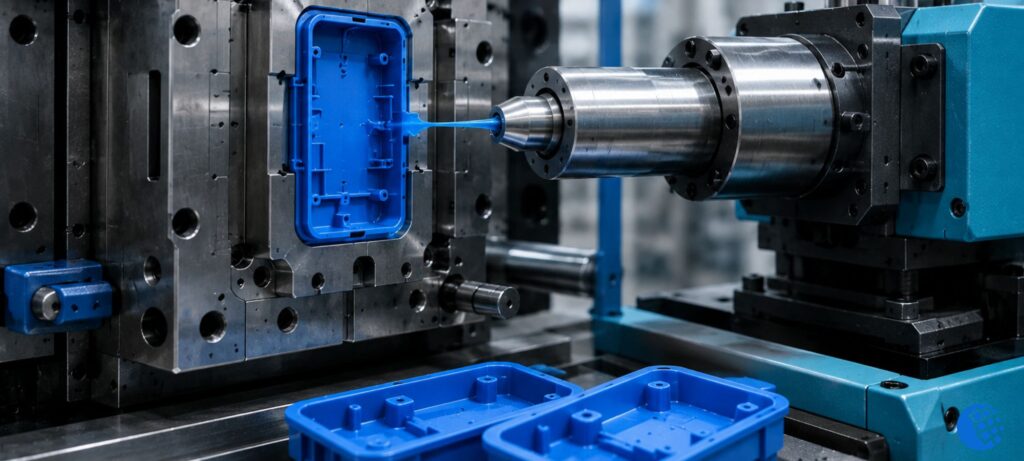
Injection molding is a manufacturing process where plastic pellets are melted and injected under high pressure into a metal mold. The plastic cools and hardens inside the mold, then the part is ejected. The whole cycle usually takes just seconds to a few minutes. Because the same mold can be used thousands or millions of times, it is ideal for making large numbers of identical parts.
Main Advantages of Injection Molding
Injection molding offers several clear benefits that make it a top choice for many companies.
High Production Speed and Efficiency
Once the mold is ready, injection molding is very fast. Modern machines can produce hundreds or even thousands of parts per hour. This high speed helps keep costs low when you need many pieces. The process is also highly automated, so one operator can often run multiple machines at the same time.
Excellent Part Consistency and Quality
Every part made from the same mold is almost identical. This means tight tolerances, smooth surfaces, and repeatable quality. You can create complex shapes with fine details, threads, or thin walls that would be difficult with other methods. Good mold design and process control lead to very few defects.
Low Cost Per Part at High Volumes
The biggest cost in injection molding is the mold itself. After that initial investment, the cost per part drops significantly. Material waste is low because excess plastic from runners can often be recycled. For orders of 10,000 pieces or more, injection molding is usually one of the cheapest options.
Wide Range of Materials and Colors
You can choose from hundreds of different plastics, including strong engineering resins, flexible materials, and even ones that are food-safe or flame-resistant. Color can be added directly into the plastic, so parts come out with consistent color without needing painting.
Design Flexibility
Injection molding allows designers to add ribs, bosses, hinges, and other features directly into the part. This reduces the need for extra assembly steps. You can also overmold one material onto another, such as a soft grip on a hard tool handle.
Strength and Durability
Parts made by injection molding can be very strong. The high pressure packs the plastic tightly, which improves mechanical properties. Many structural parts in cars and appliances are made this way.
Main Disadvantages of Injection Molding
Despite its strengths, injection molding is not perfect for every situation.
High Upfront Tooling Cost
The biggest drawback is the cost of building the mold. A simple mold may cost several thousand dollars, while complex multi-cavity molds can cost tens or hundreds of thousands. This makes injection molding expensive for small production runs or prototypes.
Long Lead Time for Tooling
It usually takes weeks or even months to design and build a good injection mold. Any design changes after the mold is made are costly and time-consuming. This slow start-up is a problem when you need parts quickly.
Design Restrictions
Not every shape is possible. Parts need proper draft angles so they can be ejected from the mold. Undercuts require expensive slides or lifters. Wall thickness must be fairly consistent to avoid sink marks and warping. Designers need experience to create mold-friendly parts.
High Initial Setup Costs
Besides the mold, you need an injection molding machine and proper process settings. Changing materials or colors can waste time and material during startup. These factors add to the overall expense for small orders.
Material Limitations
While there are many plastics available, some materials do not work well with injection molding. Very high-temperature plastics or those with special fillers can be difficult to process. Some materials also cause faster mold wear.
Environmental Concerns
Although material waste is low, the process uses a lot of energy to heat and cool the plastic. Many plastics are still petroleum-based. However, more companies are now using recycled and bio-based plastics to reduce the environmental impact.
When Injection Molding Makes Sense
Injection molding is the best choice when you need:
- Medium to high production volumes
- Consistent high-quality parts
- Complex shapes with tight tolerances
- Strong and durable components
For very low volumes (under 100 pieces), 3D printing or CNC machining is often cheaper and faster. For extremely large parts, other processes like rotational molding or blow molding may be better.
How to Reduce the Disadvantages
You can lower the risks by working with an experienced manufacturer. Good partners help optimize your design for molding, suggest suitable materials, and provide realistic cost estimates. Using standard mold bases and modular components can also cut tooling costs and lead times.
To explore professional support, check out Mold Partner. They offer reliable plastic injection molding services for different project sizes.
If you want to compare top manufacturers in China, click here.
Conclusion
Injection molding has many advantages, especially for high-volume production. It delivers fast cycles, excellent part quality, low per-part costs, and great design flexibility. On the other hand, the high initial mold cost and longer startup time make it less suitable for prototypes or small orders.
Understanding both sides helps you make smart decisions for your project. Many companies find that the benefits far outweigh the drawbacks once production volume increases. Working with a skilled manufacturer further reduces risks and improves results.
Whether you are developing a new product or looking to improve current parts, injection molding remains one of the most efficient ways to produce plastic components at scale. Take time to evaluate your volume needs, budget, and timeline before choosing this process. With the right planning and partner, injection molding can deliver high-quality parts at competitive prices for many years.