
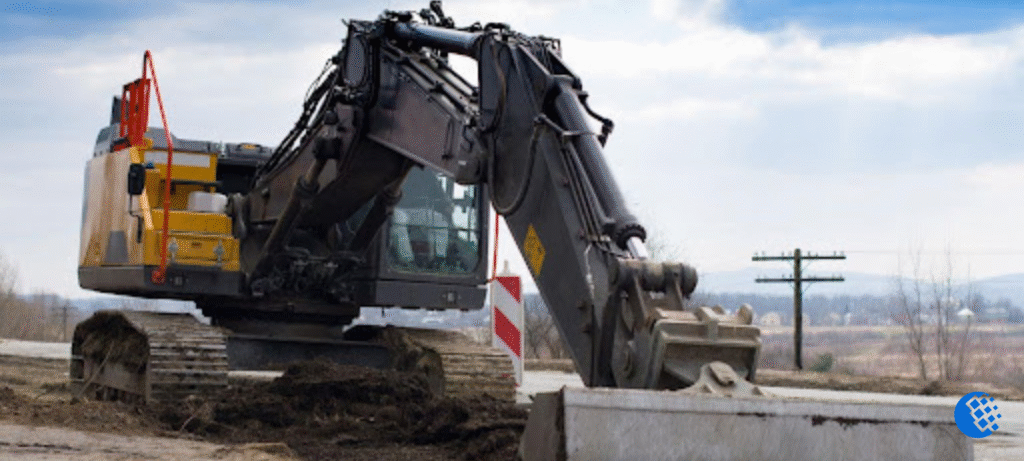
In heavy machinery, the final drive is one of the most important parts of the entire mechanical system. It is the component that turns engine power into controlled movement, allowing a machine to push, pull, rotate, and carry heavy loads with precision. When the final drive fails, the whole machine stops. That means downtime, repair costs, and lost productivity on site.
Unlike a car, whether it is a front-wheel drive car or a rear-wheel drive vehicle, heavy machinery operates under constant load, often at lower speeds and with far greater weight. In this context, the final drive determines how effectively power is transferred to the wheels or tracks, how torque is managed, and how well the machine performs in demanding construction conditions.
Choosing the right final drive is not just a technical decision. It directly affects performance, efficiency, and the working life of the machine. Factors such as final drive ratio, load requirements, speed, and proper maintenance all play a role. This guide is designed as a practical resource, helping you understand how final drives work, how to choose between new, used, or replacement final drives, and why selecting trusted suppliers is essential for long-term reliability.
Understanding the Role of the Final Drive in Heavy Machinery
The final drive is the last stage of the drive train, responsible for delivering power from the engine to the rotating wheels or tracks. Power flows from the engine, through the transmission, along the drive shaft, and into the differential gears. From there, the final drive takes over, applying gear reduction to reduce speed while increasing torque.
This process is crucial for heavy machinery. By reducing speed and increasing torque, the final drive allows the machine to move heavy loads, push material, and operate efficiently at lower speeds. In a tracked excavator or machine with a track system, the final drive controls each side independently, providing precise direction and control. In wheeled machines, power is transferred to the rear wheels or front wheels, depending on the drive configuration.
At its core, the final drive is a compact but powerful unit made up of gears, bearings, and a housing designed to handle extreme force and weight. It ensures that engine power is converted into usable movement, allowing the wheels or tracks to rotate smoothly without excessive wear. Because it operates under constant load, the final drive must be both efficient and durable.
Understanding this role is the first step in making the right selection. A well-matched final drive leads to better performance, improved efficiency, and a longer service life for the entire machine.
Key Final Drive Components Explained
A final drive may look like a single unit from the outside, but inside it is made up of several precisely engineered components working together as one mechanical system. Each component plays a specific role in transferring power, managing load, and maintaining efficiency under demanding conditions.
At the heart of the system is the planetary gear system. This typically includes a sun gear, multiple planet gears, and a ring gear, all mounted within the final drive housing. As the sun gear receives power from the drive shaft, the planet gears rotate around it, distributing force evenly. This design allows for high torque output while keeping the unit compact, which is essential in heavy machinery.
Pinion gears and differential gears help control direction and ensure smooth rotation, while bearings support the shaft and reduce friction during operation. The final drive housing protects these internal components from dirt, debris, and impact, especially in construction environments. Because the final drive is the last set of gears before power reaches the wheels or tracks, component quality directly affects performance, efficiency, and service life.
When any single component begins to wear, the entire system can suffer. That is why understanding how these parts work together is crucial when selecting, repairing, or maintaining a final drive unit.
Final Drive Ratio: What It Means in Practice
The final drive ratio is one of the most important factors when choosing the right unit for your machine. Simply put, the final drive ratio determines how engine speed is converted into wheel or track movement. A lower ratio results in lower speeds but higher torque, while a higher final drive ratio allows for greater top speed with less pulling force.
In heavy machinery, lower ratios are often preferred. They support increasing torque, which is essential for pushing, lifting, and carrying heavy loads. This is especially important in tracked excavators and machines that operate at lower speeds but require strong, controlled force. A higher final drive may be suitable for machines that need to travel faster between work areas, but it can reduce efficiency under load.
The concept is similar to a car. A rear-wheel drive setup behaves differently from a front-wheel drive system, particularly in how power is delivered and how acceleration feels. In heavy equipment, however, the stakes are higher. Choosing the wrong ratio can lead to poor performance, excessive wear, and even unusual noise during operation.
Matching the final drive ratio to engine power, machine weight, and the intended application is essential. The right balance ensures smooth acceleration, controlled speed, and long-term reliability in real working conditions.
Matching the Final Drive to Your Machine and Application
Selecting the right final drive is not just about specifications on paper. It is about how the machine will actually work on site. Different machines operate under different loads, at different speeds, and in different environments, and the final drive must be matched accordingly.
In construction machinery, weight and load are key considerations. Machines that push, lift, or operate continuously under heavy loads require a final drive designed for increasing torque and reducing speed. A tracked excavator, for example, relies on a robust track system where each final drive unit controls one side, allowing the machine to rotate, change direction, and maintain control on uneven ground.
Machines that travel longer distances may benefit from a higher final drive ratio, while those working in confined areas or performing precise movements are better suited to a lower ratio. Terrain also matters. Soft ground, slopes, and frequent direction changes place additional stress on the drive train and final drive components.
If the final drive is not correctly matched to the application, problems can appear quickly. Reduced efficiency, loss of power, excessive heat, or unusual noise are often signs that the unit is working beyond its intended limits. Choosing the right configuration from the start helps protect the machine, improve performance, and extend the life of critical components.
New, Used, or Reconditioned Final Drives: Making the Right Choice
When it comes to purchasing a final drive, buyers usually face three options: new, used, or reconditioned units. Each choice has its advantages, but the right decision depends on budget, usage, and long-term expectations.
New final drives offer the highest level of reliability. They are built to manufacturer specifications, deliver predictable performance, and provide the longest service life. This makes them ideal for machines working in demanding environments or operating daily under heavy load.
Used final drives can be attractive due to their lower price, but they come with risks. Wear on gears, bearings, and shafts may not be immediately visible, and the maintenance history is often unknown. Without proper inspection, a used unit can fail prematurely and lead to costly repair.
Reconditioned or replacement final drives sit between these two options. When properly rebuilt, they offer good performance at a more accessible price. However, quality depends heavily on the supplier. This is why it is crucial to choose proven shops with experience and tested components. Trusted suppliers such as Track Motor provide reliable replacement final drives that are inspected and ready for real-world use, helping reduce risk and protect your investment.
Installation, Maintenance, and Long-Term Performance
Even the best final drive will not deliver reliable performance without correct installation and proper maintenance. The unit must be mounted accurately to ensure the shaft, gears, and bearings remain correctly aligned. Poor mounting can lead to uneven load distribution, excessive friction, and early failure of the mechanical system.
Proper maintenance starts with routine inspection. Regular checks of oil levels and oil condition help reduce friction and prevent overheating. Seals should be inspected for leaks, and the final drive housing should be checked for damage caused by impact or debris. Bearings and gears must remain well lubricated to rotate smoothly under load.
Early warning signs should never be ignored. Unusual noise, vibration, or a sudden change in performance often indicates internal wear or damage. Addressing these issues early can prevent more serious repair and extend the life of the unit. Maintaining efficiency through regular servicing reduces downtime and protects both the final drive and the wider drive train.
Common Mistakes When Choosing a Final Drive
One of the most common mistakes is choosing a final drive based on price alone. While cost matters, a unit that is not suited to the machine or application can quickly lead to poor performance and higher repair costs.
Another frequent error is ignoring the final drive ratio. Selecting a higher final drive without considering load and operating conditions can reduce torque and strain the engine. Equally, mismatching the unit to engine power, machine weight, or transmission characteristics can affect control and acceleration.
Some buyers also overlook the importance of supplier reliability. In a global market, not all final drives are built or rebuilt to the same standard. Choosing an unverified seller increases the risk of premature failure. Understanding the system as a whole, rather than focusing on a single component, helps avoid these costly mistakes.
Final Word: Choosing Wisely for Long-Term Results
The final drive is a crucial component that directly affects how a machine performs, how efficiently it uses power, and how long it remains in service. Understanding how final drives work, how ratios influence torque and speed, and how different applications place different demands on the system allows for better decision-making.
Whether you choose a new, used, or reconditioned unit, quality, and suitability should always come first. Investing in the right final drive, supported by proper maintenance and trusted suppliers, leads to improved performance, reduced downtime, and a longer machine life. In the demanding world of construction and heavy machinery, choosing wisely makes all the difference.