
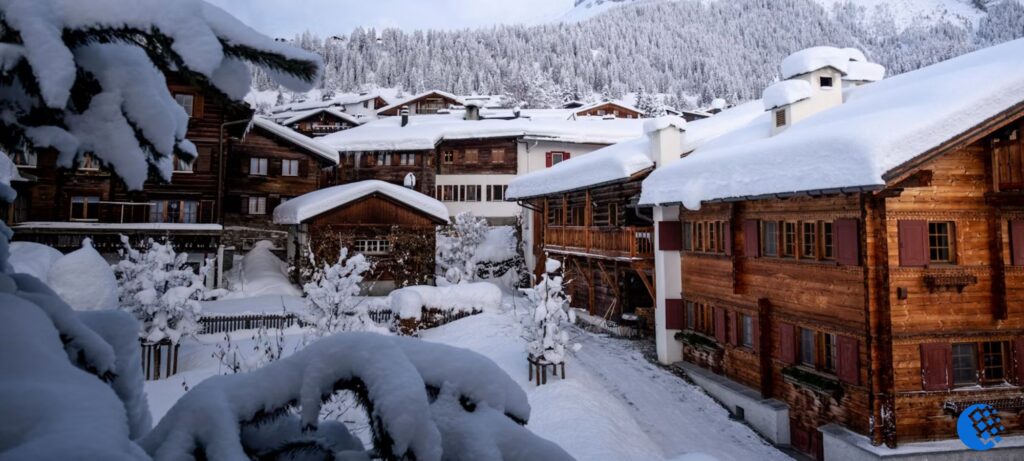
If you’re one of the lucky few to own commercial property up on the slopes of Canada, you can do a lot. Perhaps the most popular investment, though, is running a mountain resort for the usual flock of skiers, vacationers, and lovers of the cold.
However, mountains are historically known for being a logistical nightmare for almost anything (ask Hannibal 2,243 years ago). So, despite us living in the 21st century, there are a few challenges that come with running this sort of operation.
Today, we’ll explore three of the trickiest issues to deal with if you ever choose to open or take over a mountain resort. Let’s ski right in.
1. High Guest Expectations
Mountain resorts tend to have a close relationship with ski resorts and skiers. What’s more, it also attracts a more affluent crowd. The sport has a reputation for being expensive and upper-class, given the high cost of ski gear, travel, and expensive accommodation.
Thus, the kind of guests you get will often be ones who have stayed at premium resorts across Europe. You also have some world-class mountain resorts in the country, so the expectations are pretty high. Your guests aren’t likely to be the kind who want to settle as well. After all, they’re here to enjoy a vacation and have fun, so you can’t just expect them to look over things.
These expectations aren’t just for typical resorts, by the way. Even the resorts with ski infrastructure have to deal with this. It’s why you see some of them spending tens of millions on upgrades. For instance, Mont-Sainte-Anne, a major ski resort in Beaupré, Quebec, is receiving a $72 million investment into its mountain infrastructure. These upgrades would include three new lifts, lift-chair upgrades, and an expansion of the village at the mountain base.
While you probably don’t need to spend millions on upgrades, it’s worth knowing that this is what’s happening around you. So, if you were hesitant about making a few quality-of-life upgrades, don’t be.
2. Managing Weather and the Harsh Environment
Here’s another factor that is at play, pretty much all of the time. When you’re up in the mountains, there’s almost always some environmental thing that’s happening. Sometimes it’s the expected snow; other times, it’s the falling rocks and even flooding. That’s right, look at the town of Canmore in Alberta’s Rocky Mountains. According to Aisling Baile Inc., it’s a spot known for its mountain homes and seasonal demand for skiing and hiking.
However, it’s also had issues with flooding, with recent reports noting high water levels on the Bow River. If your property is in an area that’s affected and you’re not around, you could be looking at potential water damage. According to Jason Lyon with Canmore’s fire department, they’ve had commercial and residential structures flood. Likewise, debris is also a concern, and they’re asking people to stay away from the river.
Of course, hiring a Canmore property management firm is the obvious solution, but this is a factor you need to keep in mind nonetheless. Even if your property is safe, bad weather and minor disruptions can be a pain to deal with. For instance, employees may not be able to make it in, or supplies might get delayed. These issues tend to happen often enough that you really need to have backup systems in place.
3. A Changing Customer Base
Similar to our first point, this is another change that has to do with your guests. Many resorts have gotten used to dealing with the same demographic over the years. However, as data shows, the ski industry, on which resorts rely, is growing not only in size but also in demographics.
According to IBISWorld’s 2025 analysis of Canada’s ski and snowboard resort industry, total revenue is expected to reach about $1.7 billion. This is despite the 14.8% drop in skier visits between 2023 and 2024. Likewise, the Canadian Ski Council also notes that there’s a demographic change happening, and in 2023-2024, 50% of skiers were women. Likewise, minority skiers have also been increasing in number.
For resorts, this means dealing with the needs of first-timers, people at different fitness levels, and older adults and younger kids. This might involve everything from providing winter wear on a rental basis to offering new cuisines for your diverse skiers and guests.
Frequently Asked Questions
1. How do mountain resorts make money outside of ski season?
Plenty of ways. You’ll often see mountain resorts hosting a range of activities outside winter sports. For instance, during the warmer months, they might host hiking expeditions or provide biking trails to ride on. Similarly, many of them allow weddings, conferences, and other gatherings that want a scenic backdrop during the off-season.
2. What amenities do travelers look for in a mountain resort?
The most common expectations include reliable and high-speed internet and great food. Likewise, people also expect quality-of-life and comfort experiences like spas, gyms, and family-friendly activities. Some also expect resorts to have quick and easy transportation services to and from the resort.
3. What safety measures are required at mountain resorts?
Ideally, you’ll want a combination of trained staff and emergency response plans. Some of the top resorts tend to have their own weather monitoring systems just to stay on top of things. Likewise, a good mountain resort will ensure regular safety inspections, clear signs in risky areas, and employees who know how to offer first aid if needed.
Key Numbers & Facts at a Glance
| Recent investment in the Mont Sainte Anne resort | $72 million |
| Canadian ski & snowboard resort industry valuation | $1.7 billion |
| Drop in skier visits between 2023 & 2024 | 14.8% |
| Percentage of women skiers | 50% |
All things considered, running a mountain resort in Canada does have its challenges. However, not all of them are the frustrating kind. Most of the time, it’s just about providing a premium service in a situation that’s environmentally hostile.
Is that tough? Sure, but it’s not too different when compared to the challenges a business in any field experiences. The same principles that help traditional guest accommodations succeed also apply to mountain resorts, just on a more ‘vacationy’ level.